Netanyahu rejects US-led Gaza plan, deepening rift with Trump ahead of Israeli elections
The rejection of the 15-point peace deal, which was endorsed by Hamas, leaves ceasefire terms unresolved and signals a strategic pivot to secure far-right coalition support.
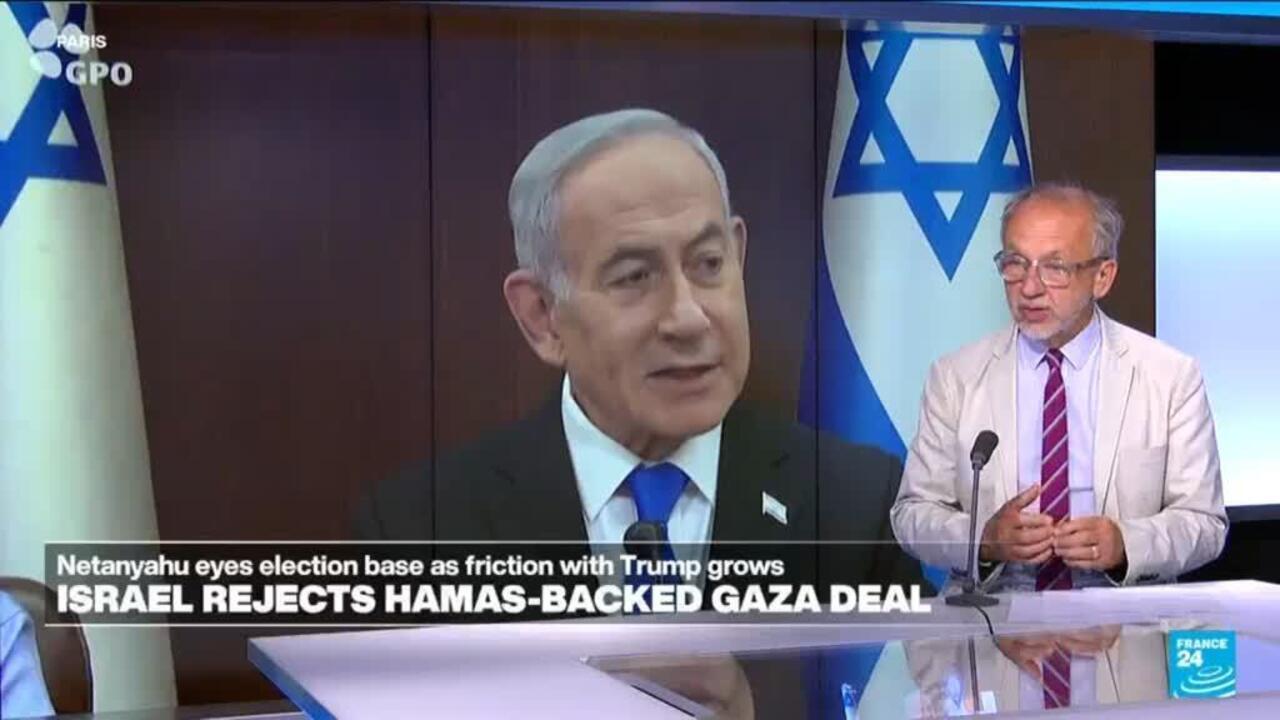
Israeli Prime Minister Benjamin Netanyahu has formally rejected a US-led 15-point peace plan for Gaza, a decision that has created significant diplomatic friction with US President Donald Trump. The rejection occurred during a cabinet meeting on Sunday, shortly after Hamas endorsed the same proposal.
Netanyahu stated that Israeli military forces would not withdraw from Gaza until Hamas is "genuinely disarmed". This condition leaves the specific terms of the ceasefire and any timeline for Israel’s exit from the territory unresolved. The stance mirrors a position previously taken by the US-led Board of Peacemakers last week.
The move is widely interpreted as a political manoeuvre to shore up support from far-right members of Netanyahu’s coalition ahead of upcoming close elections. According to FRANCE 24 international affairs editor Philip Turle, Netanyahu is willing to risk breaking ties with Trump over the 15-point deal to consolidate his domestic political base.
The ongoing conflict has resulted in a death toll surpassing 73,000. While the US-led plan sought to address the humanitarian and security crisis, Netanyahu’s insistence on total disarmament of Hamas before any withdrawal signals a hardening of Israel’s position despite international pressure.
Analysts suggest the growing friction with the White House is a calculated risk. By aligning with the demands of his far-right coalition partners, Netanyahu aims to secure his political future, even as it complicates relations with the United States and leaves the path to a lasting ceasefire unclear.