Netanyahu rejects US Gaza peace plan ahead of October elections
Despite recent meetings with Jared Kushner, Israeli leader insists Hamas must disarm first, leveraging public support for continued military action to bolster political survival and delay criminal trial proceedings.
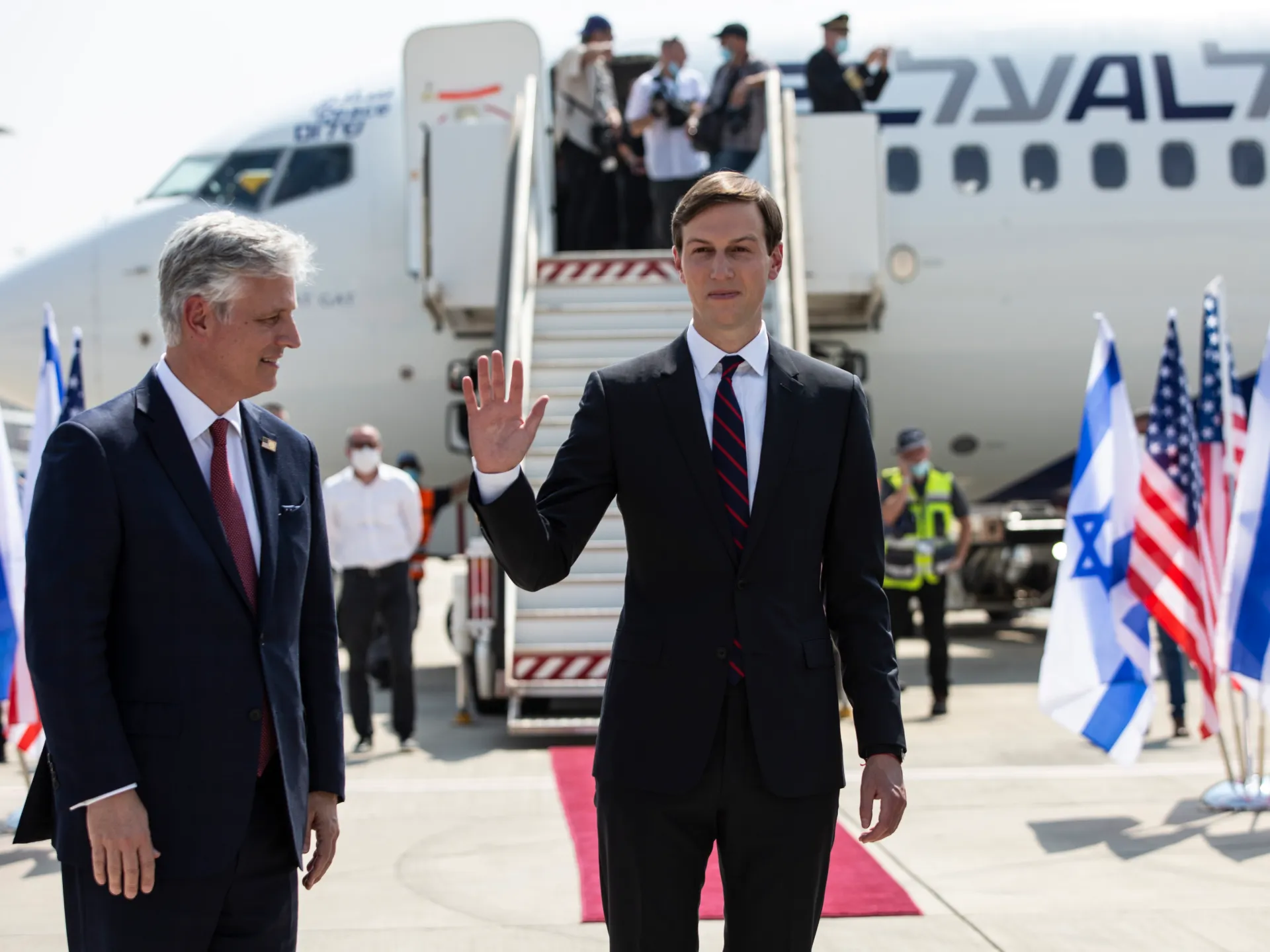
Israeli Prime Minister Benjamin Netanyahu has formally rejected a United States peace plan for Gaza, a decision that follows a meeting with White House envoy Jared Kushner on Monday. The rejection reinforces Netanyahu’s longstanding position that Hamas must disarm before Israel fulfils any commitments, a stance he also applies to negotiations regarding Lebanon. While Kushner described the meeting as productive in an interview with Fox News, he appeared to downplay the Israeli refusal to engage with President Donald Trump’s proposal.
The rejection is widely interpreted as a calculated political move to preserve Netanyahu’s image as a security leader ahead of the October elections. Opinion polls indicate that 45 per cent of Israelis oppose a peace deal for Gaza, while 37 per cent favour a return to fighting. Additionally, two-thirds of the public support the continuation of Israeli occupation in parts of southern Lebanon to maintain a security belt, and nearly half favour major military action against Iran.
Netanyahu’s political base includes voters who view him as the only leader capable of managing multifront security threats from Iran, the Palestinians, Hezbollah, and Syria. Supporters believe the international community is hostile to Israel and credit Netanyahu with a deep understanding of American politics, viewing his ability to say “no” to the United States as a demonstration of strength rather than diplomatic failure.
The ongoing state of conflict also serves legal and procedural functions for the Prime Minister. Netanyahu has utilised the state of war to request recesses in his criminal trial, citing “important political meetings” and other interruptions as grounds for delay. This strategy allows his legal team to manage court schedules around political obligations, leveraging the irregularities that war breeds.
Economically, the situation presents a dichotomy between short-term indicators and long-term risks. The Israeli stock exchange is reporting record highs and the shekel has appreciated, with projected growth for 2027 at 5.6 per cent, benefiting defence companies. However, a June report by the Organisation for Economic Co-operation and Development (OECD) warned that a return to intense military activity would incur large fiscal costs due to business closures and reservist mobilisation.