Netanyahu rejects US-backed Gaza plan, citing Hamas disarmament as precondition
The rejection of the 15-point framework marks a significant setback for peace talks, with Gaza residents warning of further displacement and escalation as humanitarian conditions deteriorate.
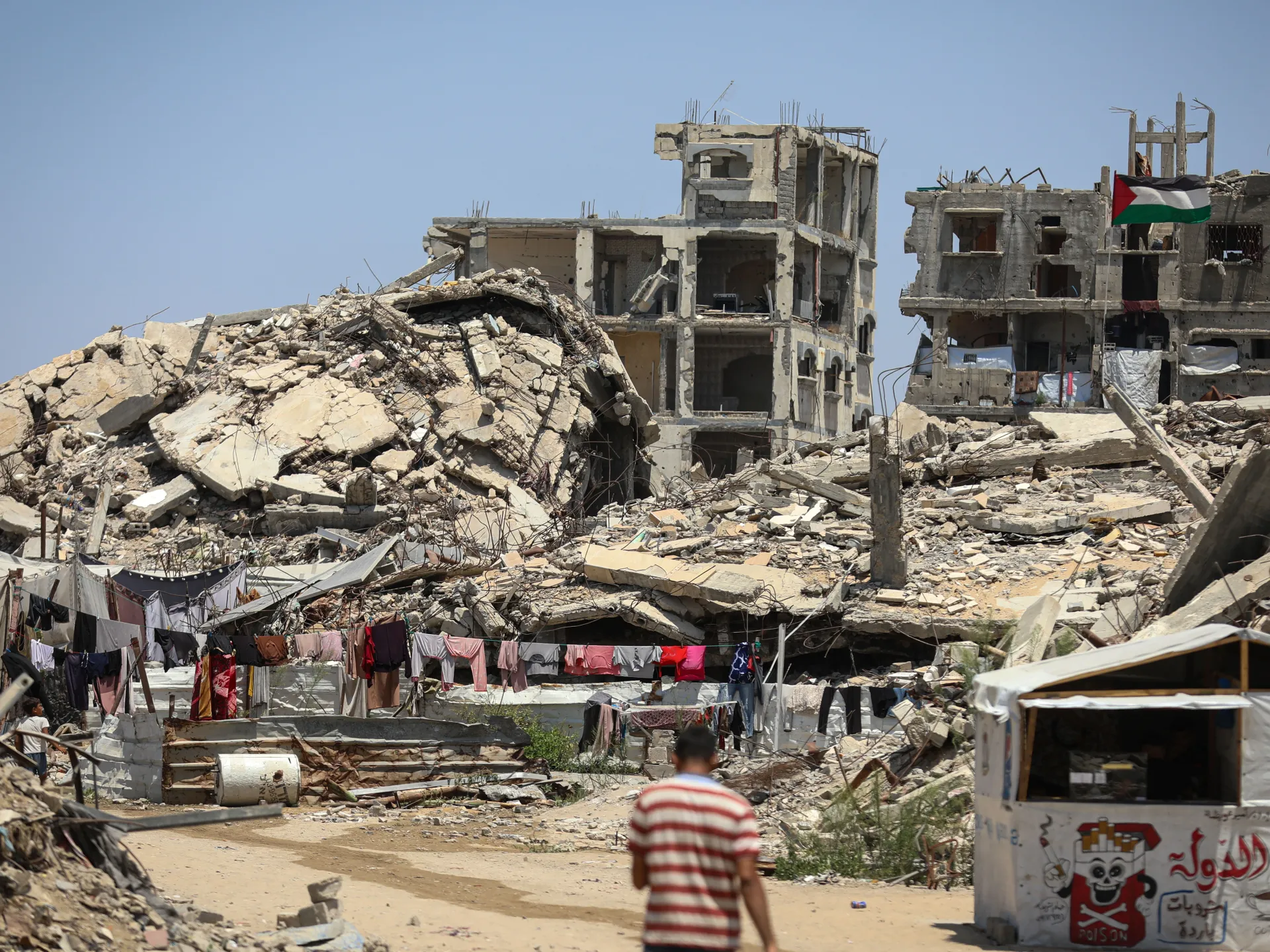
Israeli Prime Minister Benjamin Netanyahu has formally rejected a United States-backed 15-point plan designed to end the war in Gaza, stating that Israeli forces will not withdraw from the territory until Hamas is “genuinely disarmed.” The initiative, which outlined a phased Israeli pullback, the gradual disarmament of Hamas, and the establishment of a Palestinian-led civilian administration, was dismissed by Netanyahu on Sunday as incompatible with Israel’s security requirements.
The rejection has triggered widespread scepticism and frustration among Palestinians in Gaza, who view the proposal as a missed opportunity to halt the conflict. Nesma Harazin, a displaced writer from Gaza City’s Shujayea neighbourhood, described the plan as a proposal “from a long time ago” by President Donald Trump and Netanyahu, rather than a genuine effort to end what she termed a “genocidal war.” She argued that the Israeli military continues to carry out near-daily attacks despite a ceasefire agreed upon with Hamas last October, indicating that Israel does not intend to stop its operations.
Mehdi Ahmed, a resident of Gaza City whose family home remains standing, echoed these sentiments, describing the current situation as one of continued occupation. He warned that any calm resulting from a ceasefire would be temporary, noting that the ongoing killings and destruction would shape future generations who would not accept such solutions. Ahmed questioned the efficacy of prolonged negotiations, asking if Palestinians must spend another seven years discussing points that have been debated for three years, while feeling abandoned by regional and international supporters.
The humanitarian crisis in Gaza continues to worsen, with Ramez Haniyeh, a displaced resident of Nuseirat, describing the economic situation as deteriorating daily. He reported widespread unemployment and an inability for many to afford basic necessities, despite some food items being available. Haniyeh viewed the rejected plan as a genuine chance to end the fighting and allow for reconstruction and dignified living, but he fears the rejection will lead to a new target bank and further bloodshed.
In response to the Prime Minister’s declaration, Hamas affirmed its commitment to fully implementing the 15-point plan and urged mediating and guarantor nations to assume their responsibilities to prevent any breaches that could obstruct the process. The Gaza Government Media Office condemned the rejection as a “clear and unequivocal reversal of the negotiation track,” calling for international pressure to prevent further escalation. Since the October ceasefire, Israeli attacks have killed at least 1,258 people, bringing the overall death toll since the conflict began in October 2023 to at least 73,386.