Netanyahu Rejects US-Backed Gaza Plan Amidst Regional Tensions
A diplomatic rift deepens between Washington and Jerusalem as Benjamin Netanyahu halts progress on a 15-point proposal promoted by President Donald Trump.
Israeli Prime Minister Benjamin Netanyahu has formally rejected a United States-backed plan for Gaza, marking a significant escalation in the diplomatic divide between Washington and Jerusalem. The decision, announced during a cabinet meeting on Sunday, signals a hardening of Israel’s stance on security and control within the Palestinian territory.
Speaking at the meeting, Netanyahu stated that the Israeli military would not withdraw from Gaza until Hamas is "genuinely" disarmed. The rejection targets a 15-point proposal promoted by US President Donald Trump, although specific details of the plan were not fully elaborated in the source material. The move underscores the Israeli government's prioritisation of military objectives over the diplomatic framework proposed by the United States.
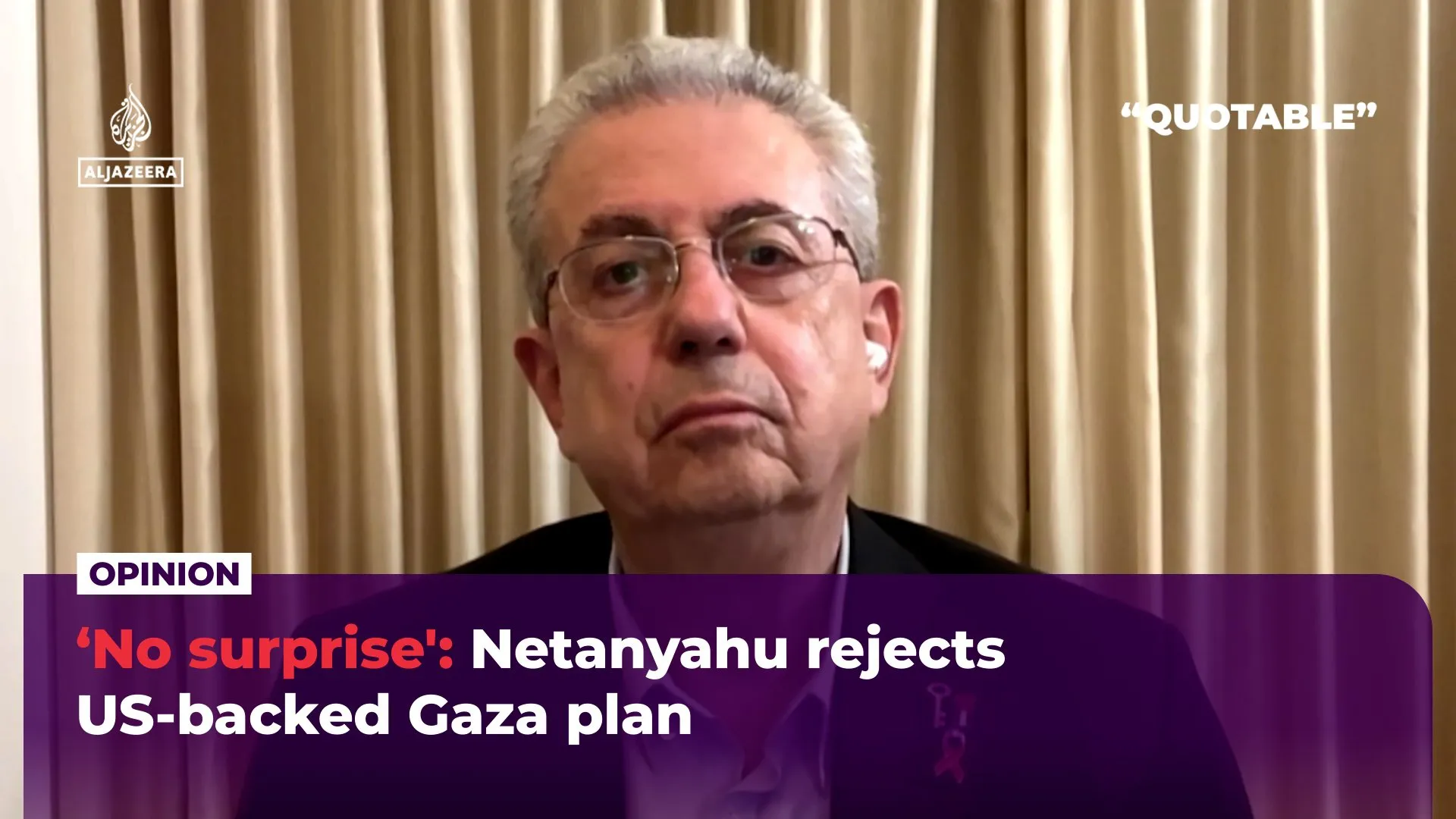
Palestinian politician Mustafa Barghouti commented on the development, stating that Netanyahu’s rejection was "no surprise". His assessment, reported by Al Jazeera, reflects the broader political sentiment that the Israeli leadership remains committed to maintaining a strong military presence in the region rather than adhering to external diplomatic initiatives.
The rejection of the US-backed plan occurs amidst heightened regional security tensions. Concurrently, Iran has issued threats regarding the closure of the Strait of Hormuz, adding a layer of complexity to the geopolitical landscape. While the Gaza plan rejection and the Iranian threats are distinct developments, their simultaneity highlights the fragile security environment in the Middle East.
This event continues a pattern of tension between Israeli leadership and US diplomatic initiatives regarding the region. The refusal to engage with the Trump-promoted proposal suggests that Israel is unwilling to compromise on its security definitions, particularly concerning the disarmament of Hamas, despite international pressure to pursue a negotiated settlement.