Netanyahu rejects Trump’s Gaza plan as Iran threatens Strait of Hormuz closure
Tehran’s Revolutionary Guards link waterway reopening to US concessions, escalating regional tensions following the US-Israeli diplomatic clash over the 15-point proposal.
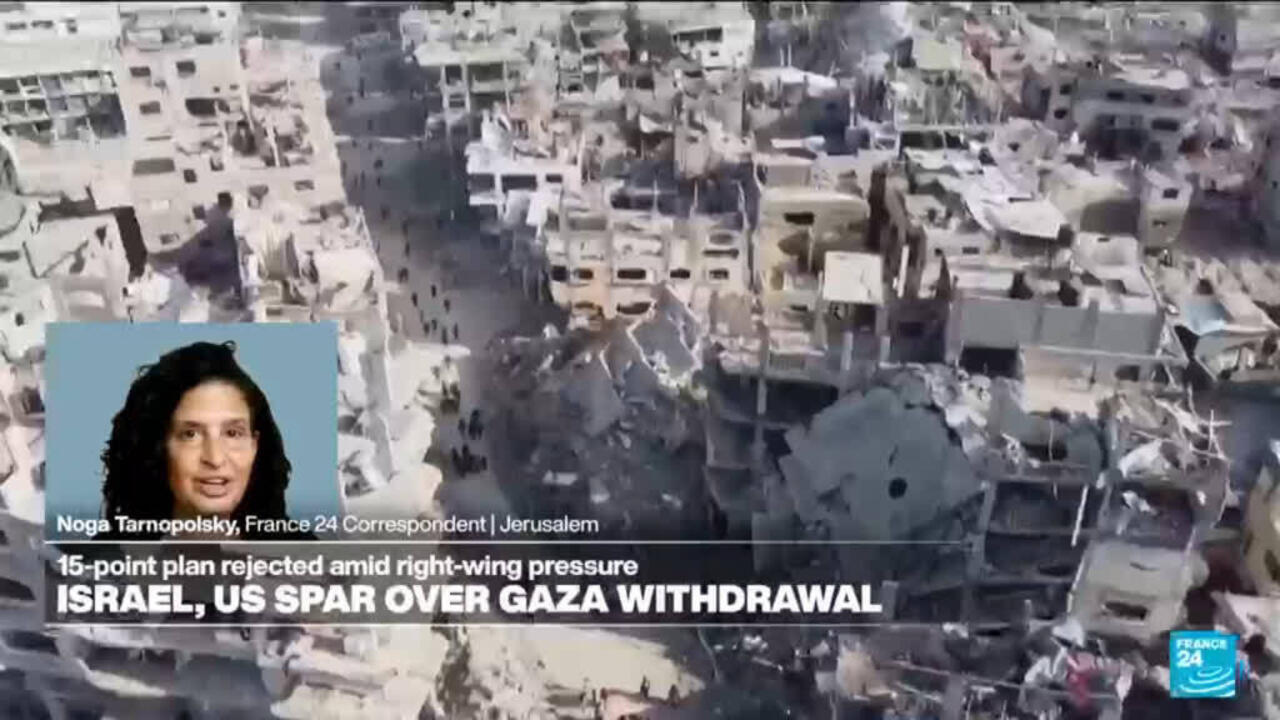
Israeli Prime Minister Benjamin Netanyahu has formally rejected a 15-point plan for Gaza promoted by US President Donald Trump, signalling a significant diplomatic rift between Washington and Jerusalem. Speaking at a cabinet meeting on Sunday, Netanyahu stated that the Israeli military would not withdraw from the Palestinian territory until Hamas is "genuinely" disarmed.
The rejection underscores a hardening of Israel’s position amid domestic coalition pressure. While the specific terms of the 15-point document remain undisclosed, Netanyahu’s refusal indicates that the current framework does not meet Israeli security requirements. The Prime Minister emphasised that any pull-out is strictly contingent on the elimination of Hamas’s military capabilities.
This development follows an initial ceasefire agreement reached in October last year, which has not prevented Israel from continuing military strikes on Gaza. Hamas has previously stated that handing over heavy weapons is contingent on Israel ending "all forms of aggression" and withdrawing its forces, a condition that has not yet been met.
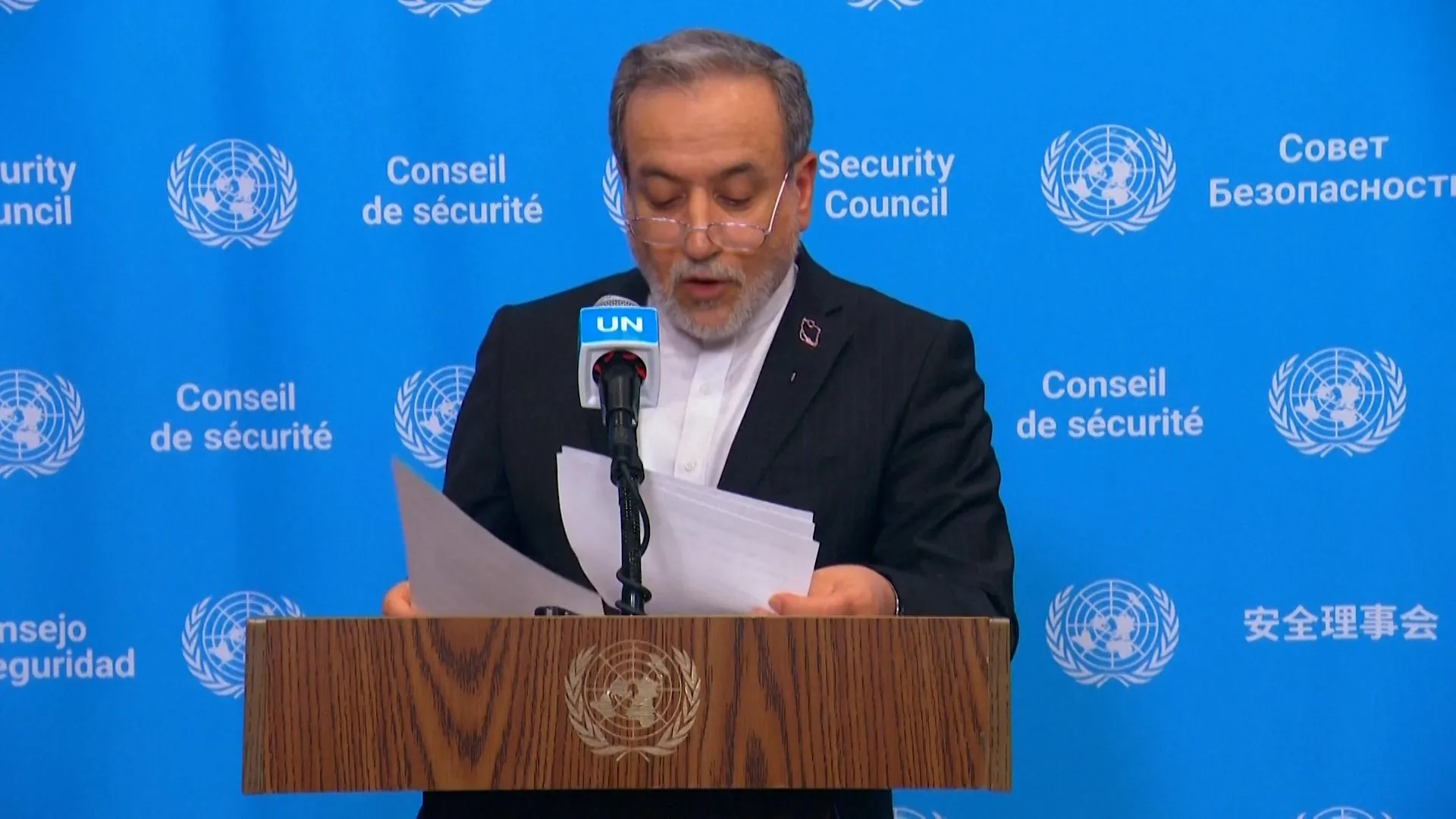
Concurrently, regional tensions have intensified with a declaration from Iran’s Islamic Revolutionary Guards Corps. The group announced that the Strait of Hormuz would remain closed until the United States accepts Tehran’s conditions for reopening the strategic waterway. The exact nature of these conditions has not been specified.
The simultaneous diplomatic standoff in Gaza and the threat to a critical global shipping lane highlight the escalating complexity of the conflict. As noted by France 24 correspondent Noga Tarnopolsky, the situation reflects a broader deterioration in regional stability, with both Israel and Iran adopting uncompromising stances that complicate potential diplomatic resolutions.