Netanyahu rejects Trump’s Gaza peace plan amid coalition pressure
Benjamin Netanyahu dismisses the 15-point proposal as containing unacceptable elements, citing fictitious disarmament claims and facing demands from far-right allies ahead of elections.
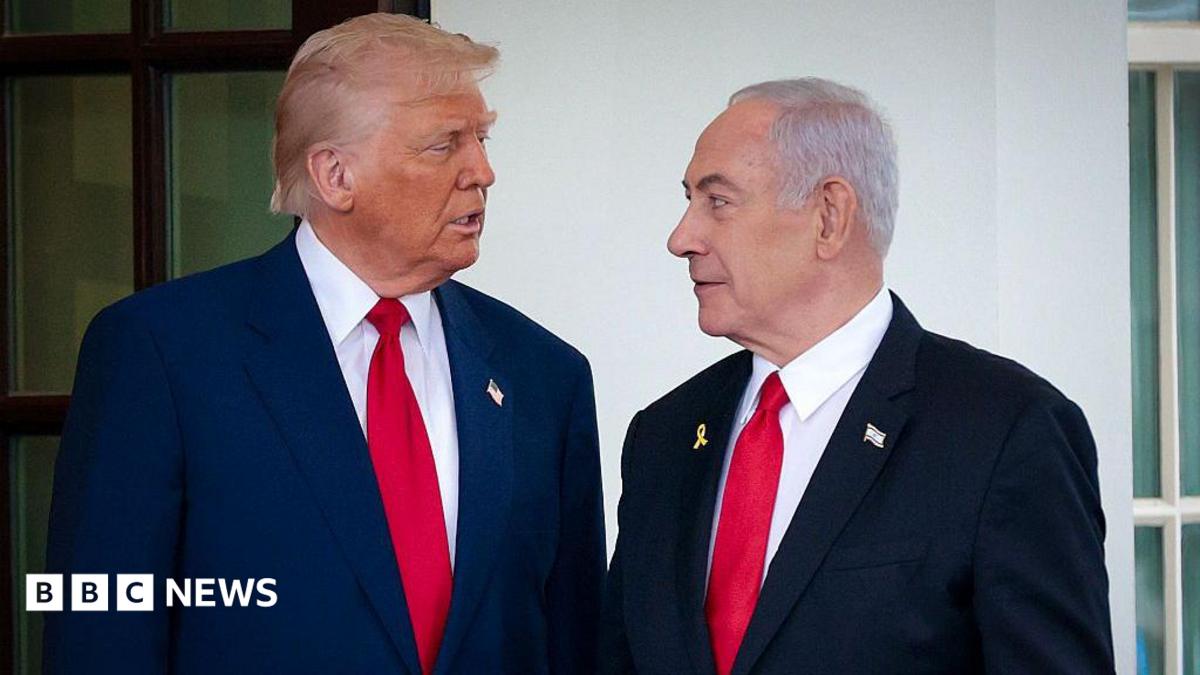
Israeli Prime Minister Benjamin Netanyahu has formally rejected US President Donald Trump’s 15-point peace plan for Gaza, asserting that the Israeli military will not withdraw from the territory until Hamas is "genuinely" disarmed. Speaking at a cabinet meeting on Sunday, Netanyahu declared that Israel rejects the 15-point document in its current form, stating that any pull-out is contingent on the elimination of threats against Israeli forces and citizens.
The rejection marks a significant setback for Trump’s initiative, which was announced in September last year and established the Board of Peace to oversee implementation. The plan outlined a framework for the disarmament of Hamas, the withdrawal of Israeli troops, and the reconstruction of Gaza. While Trump’s Board of Peace had previously announced an agreement for the "complete disarmament" of Hamas and other armed groups, Netanyahu described previous disarmament claims as "fictitious" and insisted on verifiable action before any changes to the military presence.
Netanyahu confirmed that Israel is currently in discussions with US officials regarding the plan's implementation. He noted that while some ideas presented by Washington are acceptable, others are not, and that Israel intends to "stand its ground" on the unacceptable elements. The prime minister emphasised that Hamas must disarm before Israel withdraws its forces, rejecting the notion of a "fictitious disarmament" that does not result in the permanent removal of the militant group's capabilities.
The political timing of the rejection is critical, with Israeli elections approaching and the government facing intense scrutiny. Netanyahu has come under pressure from far-right coalition partners, who view the peace plan as a concession that undermines Israel’s security posture. National Security Minister Itamar Ben Gvir, a key ally in the coalition, dismissed the draft plan as "not acceptable" and has called for a new cabinet vote to formally end the Gaza plan.
This development follows an initial ceasefire agreement reached in October last year, after which Israel continued to carry out strikes on Gaza. Hamas had previously stated that handing over its heavy weapons was contingent on Israel ending "all forms of aggression" and withdrawing its forces, a condition that has not been met. The prime minister’s refusal to proceed with the current plan signals a hardening of Israel’s position as it navigates internal political pressures and ongoing regional conflict.