Netanyahu blocks Trump’s Gaza framework, testing limits of US leverage
The rejection of the US-backed 15-point plan highlights a clash between Trump’s desire for a diplomatic resolution and Netanyahu’s demand for maximalist security conditions that allow Israel to control the transition timeline.
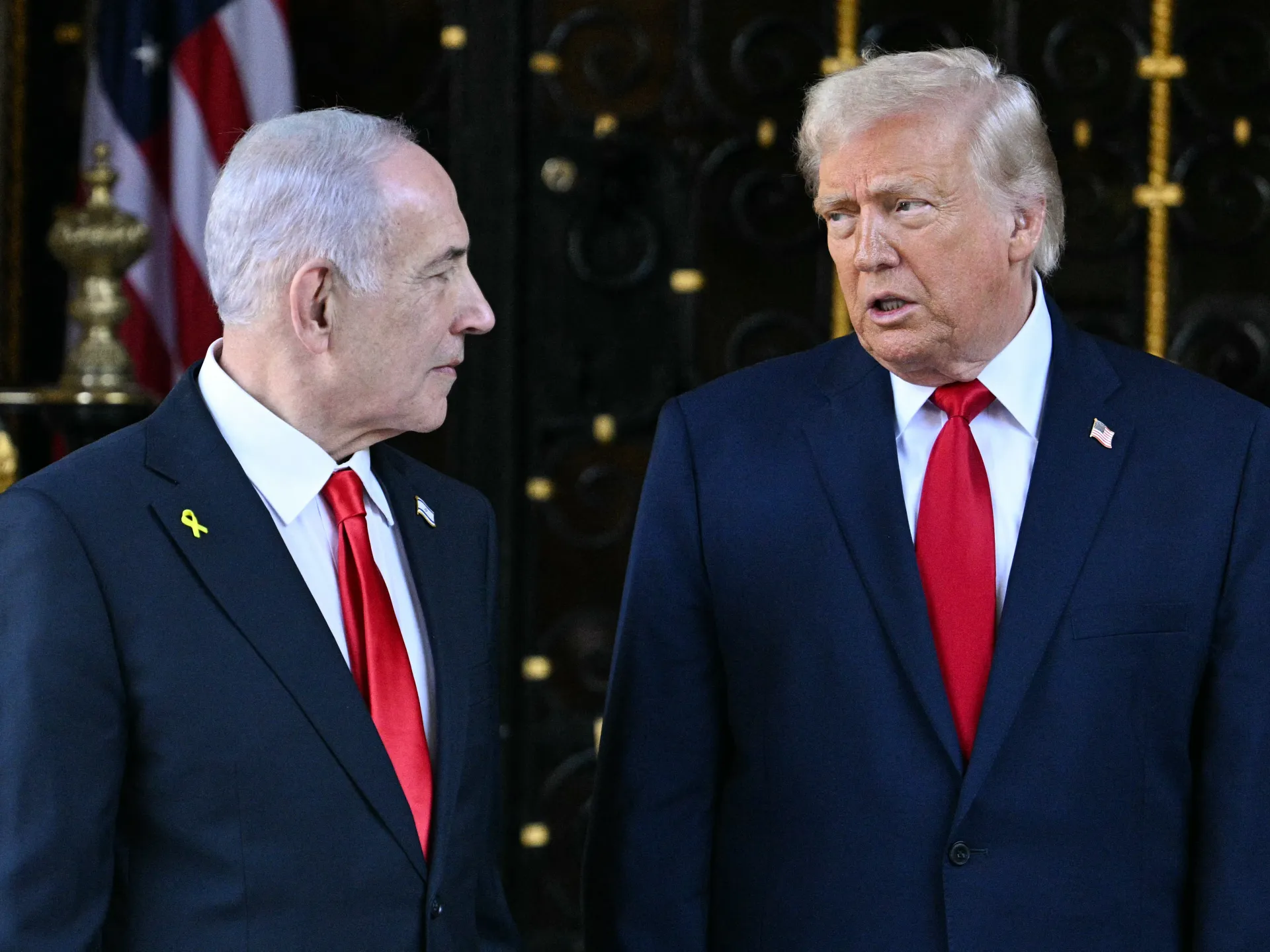
Israeli Prime Minister Benjamin Netanyahu has effectively vetoed US President Donald Trump’s 15-point framework for Gaza, rejecting the proposal’s phased approach in favour of a precondition requiring the complete disarmament of Hamas before any Israeli military withdrawal. The rejection underscores a strategic divergence: while the Trump administration seeks a diplomatic resolution to demonstrate US leverage, Netanyahu prioritises maximalist security conditions that allow Israel to control the transition timeline.
The dispute centres on the sequencing of disarmament and withdrawal. Trump’s framework proposes reciprocal steps where Israeli forces progressively withdraw as a new international stabilisation mechanism takes shape. In contrast, Netanyahu demands complete disarmament before any meaningful withdrawal occurs, a position that critics argue creates a condition that can be endlessly postponed, as Israel alone would determine what constitutes "complete disarmament" and verify it.
The article posits that Netanyahu’s position creates a condition that can be endlessly postponed, as Israel alone would determine what constitutes "complete disarmament" and verify it. It suggests that Trump’s political brand, built on the proposition that presidential power is meaningful when it produces results, is being tested by his reluctance to confront an ally. The piece argues that without willingness to bear political costs, such as attaching conditions to military assistance, the language of US leadership becomes "theatre."
Historical context indicates that successive US administrations have repeatedly made appeals and issued warnings regarding Israeli policy, only to accommodate Israeli governments when the political cost of confrontation grew. The article notes that Netanyahu governs with the support of forces hostile to any arrangement that strengthens Palestinian institutions, making compromise politically dangerous for him domestically.
Palestinian displaced persons, such as writer Nesma Harazin, have expressed scepticism, viewing the proposal as a missed opportunity and describing the conflict as a "genocidal war." Harazin described the plan as a proposal from a long time ago by President Donald Trump and Netanyahu, rather than a genuine effort to end the conflict.
The core event is that Israeli Prime Minister Benjamin Netanyahu has effectively vetoed US President Donald Trump’s 15-point framework for Gaza. Netanyahu insists that any Israeli military withdrawal from Gaza is contingent on the "genuine" and complete disarmament of Hamas. The rejection highlights a strategic divergence: Trump seeks a diplomatic resolution to demonstrate US power, while Netanyahu prioritises maximalist security conditions that allow Israel to control the transition timeline.
The article argues that Netanyahu is betting on the US lacking the political will to enforce its policy, citing historical patterns where Washington accommodates Israeli positions despite private objections. This dynamic raises questions about what happens when a superpower allows an ally to dictate the terms of its own diplomacy, potentially undermining the US claim to be an indispensable power.