Nepal’s Gen Z uprising changed the government, but not yet the system
A year after protests forced KP Oli from office, new elections have delivered a new leadership but limited structural reform, with the movement divided and more than 900 detainees still officially in jail.
Nepal’s Gen Z protests have reshaped the country’s political leadership without delivering the deeper governance changes demanded by demonstrators, according to an assessment by Al Jazeera.
The protests began on 8 September 2025 amid anger over corruption scandals and the lavish lifestyles displayed online by the children of government officials. A crackdown involving curfews, arrests and police use of live ammunition reportedly killed about 76 people and injured hundreds. Prime Minister KP Oli resigned the following day, and former Chief Justice Sushila Karki later led an interim administration.
Parliament was dissolved and elections were held in March. Balendra Shah became prime minister after the Rastriya Swatantra Party won more than two-thirds of Nepal’s 165 directly elected parliamentary seats, displacing traditional parties from much of their previous influence.
The political transition has not resolved the accountability questions arising from the crackdown. Oli and former Home Affairs Minister Ramesh Lekhak were arrested in March over alleged involvement, then released in April after a Supreme Court order. Both remain under investigation and have not been formally charged.
Analysts cited by Al Jazeera said corruption among political elites and other core grievances remain largely unaddressed. The new government has promised legal and policy reforms, but observers said structural changes, including bureaucratic reform, had not been substantially realised.
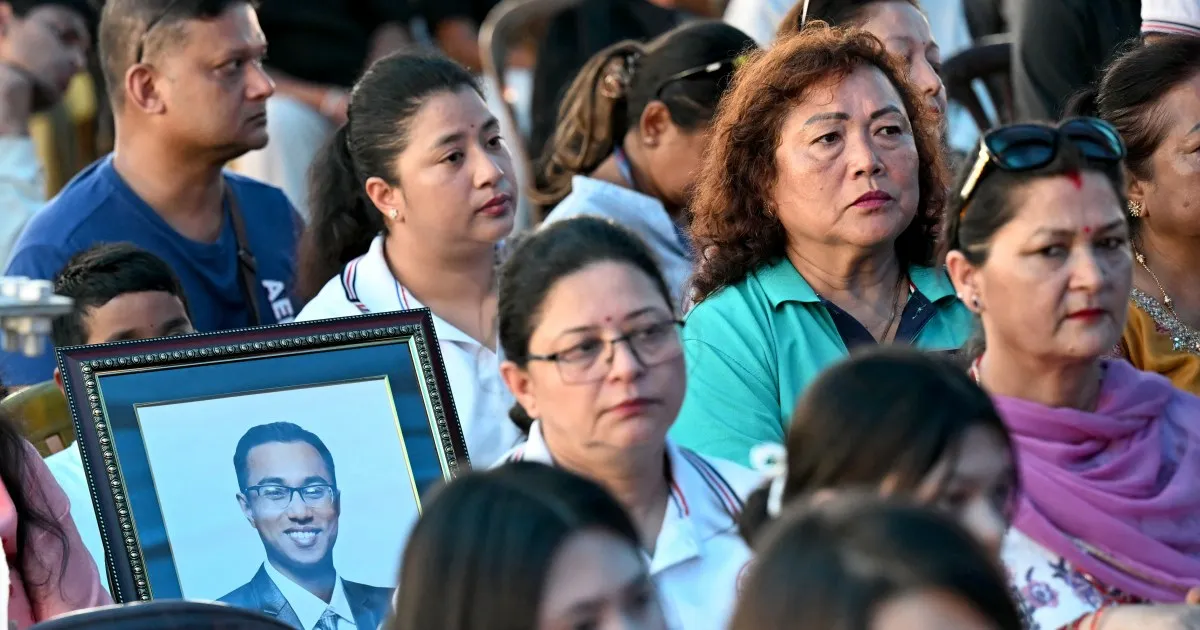
The movement itself has also fractured between young politicians inside government and activists outside it. Twenty-five of 29 invited Gen Z activists boycotted a May meeting on constitutional amendments, citing unresolved systemic problems and earlier commitments. Families of protesters killed in the crackdown held a commemoration on Tuesday, while more than 900 detainees were officially reported to remain in jail for arson. An activist estimated the unofficial total at more than 1,600.