Nepal turns to DNA testing to identify flood victims
Authorities in Nepal have announced that DNA testing will be the primary method used to formally identify victims of recent flooding.
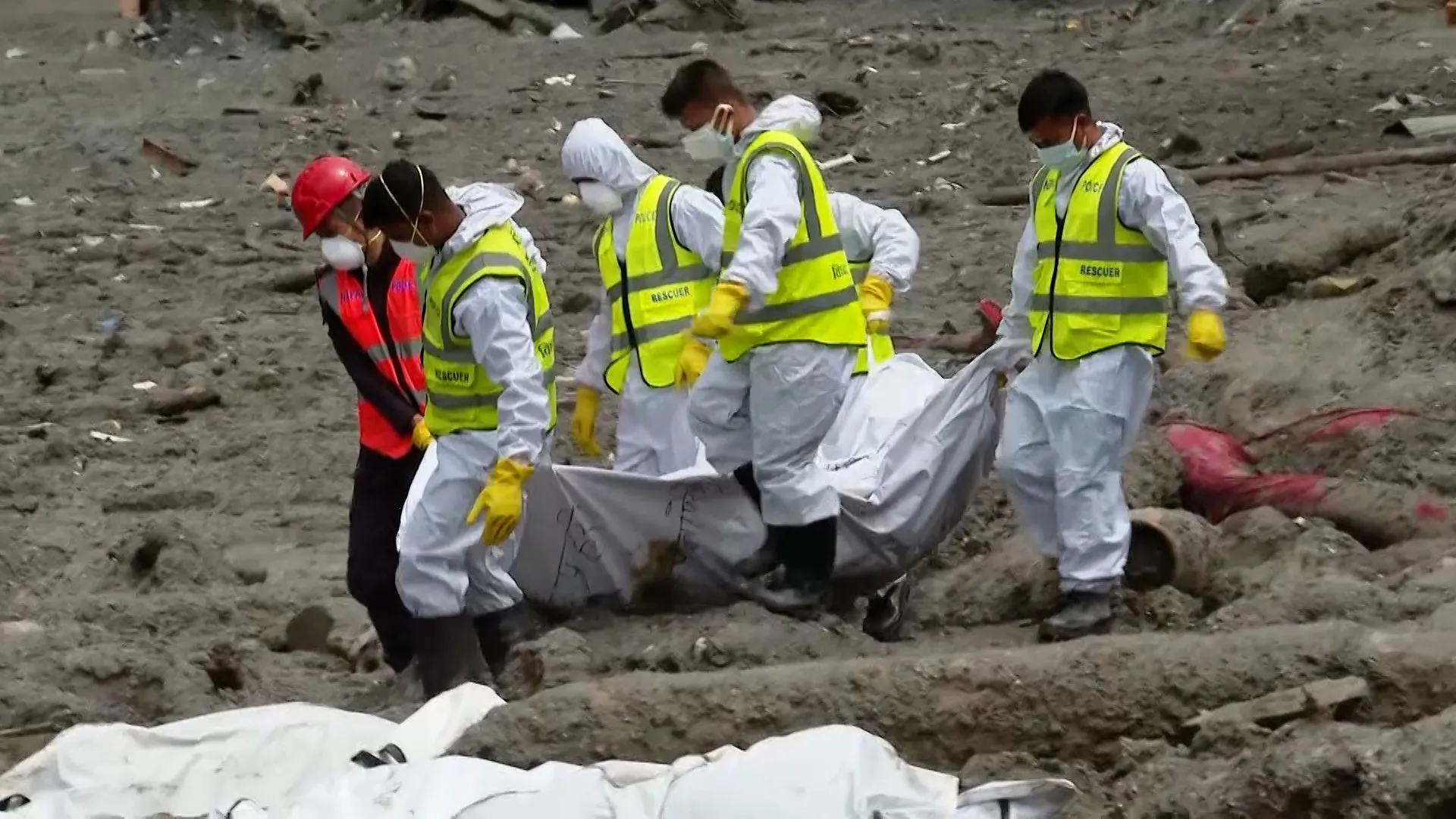
Nepal has confirmed that DNA testing will be employed to identify victims of recent floods in the country. The announcement highlights a shift towards forensic methods in the aftermath of the disaster, aiming to provide certainty for families and officials managing the recovery process.
According to reporting from Al Jazeera Global News, the decision to utilise genetic profiling addresses the challenges often faced in mass casualty events where physical identification may be difficult. The approach is intended to streamline the verification of the deceased, a critical step in both the administrative and social aspects of disaster management.
The specific timing of the floods and the total number of victims requiring identification were not detailed in the initial reports. However, the reliance on DNA analysis suggests a structured institutional response to a significant loss of life, prioritising accuracy in the identification process.
This development underscores the growing role of scientific tools in governance and disaster response. By adopting DNA testing, Nepalese authorities are aligning their recovery efforts with international standards for forensic identification, potentially reducing the uncertainty that often plagues post-disaster investigations.
The move also reflects a broader trend in how governments handle the identification of the deceased in natural disasters. As infrastructure and records can be compromised during severe flooding, biological markers offer a more robust alternative for confirming identities.
While the immediate focus remains on the practical application of these tests, the decision carries implications for how future disasters might be managed in the region. The use of DNA testing represents a formal policy choice that balances logistical constraints with the need for definitive identification.