Nepal seeks regional climate safeguards after deadly flood
Prime Minister Balendra Shah has urged international support for adaptation and proposed a Nepal-India-China mechanism to share data and strengthen early warnings.
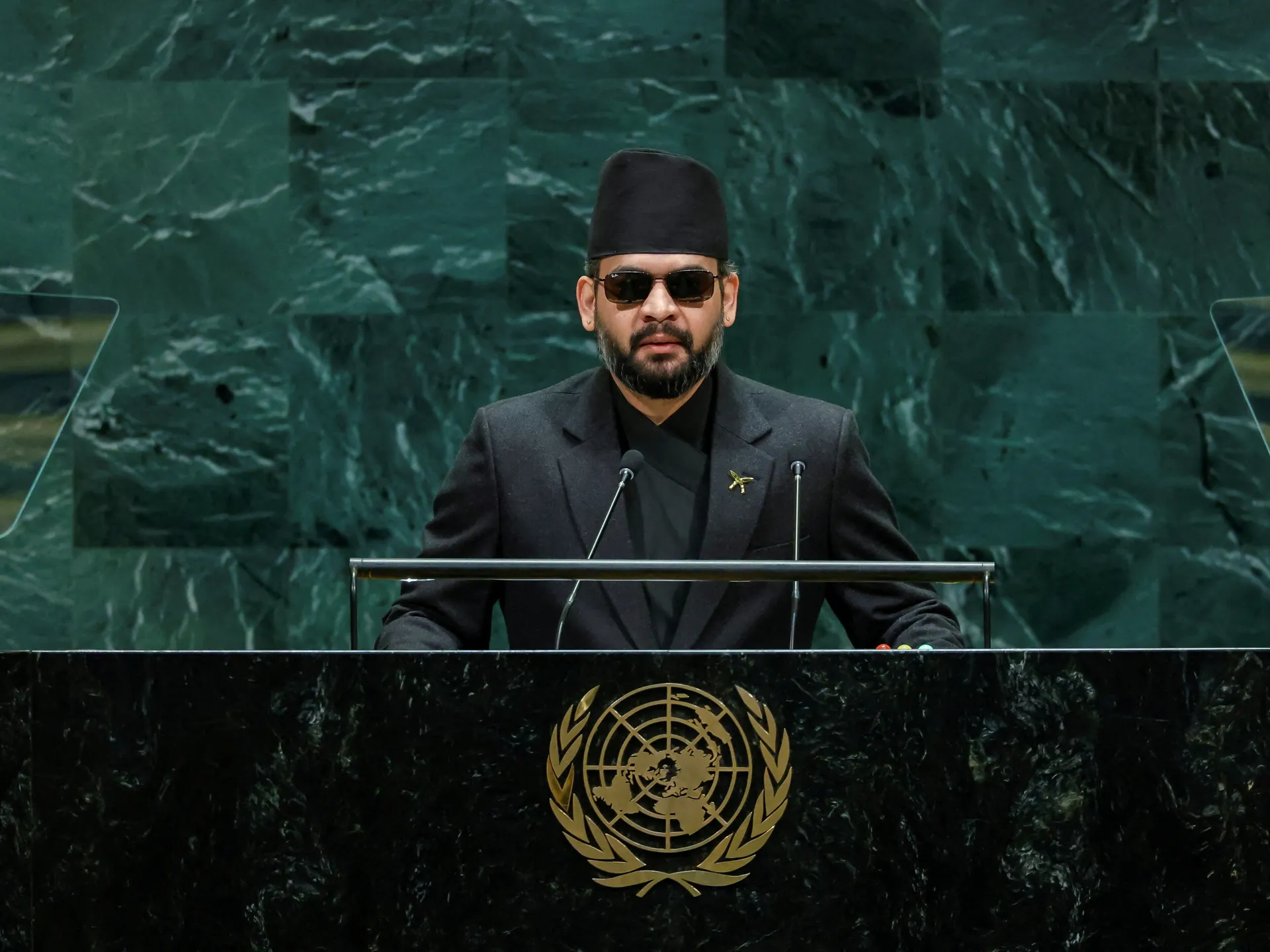
Nepal’s Prime Minister Balendra Shah used his address to the United Nations General Assembly to call the August flood a warning about climate risks and urge faster international action. He said the disaster was not only a local tragedy and called for support to help vulnerable communities adapt.
Nepal’s National Disaster Risk Reduction and Management Authority reported at least 1,453 deaths, 5,500 people missing and 13,795 rescued after flooding struck northern Nepal and the China-Tibet border on 26 August. The government’s preliminary estimate puts the damage at $5 billion.
Shah proposed a Himalaya Climate Resilience Mechanism involving Nepal, India and China. The proposal would enable the countries to share satellite data and expertise, monitor glacial lakes and strengthen joint early warning systems. The source does not report whether India or China has agreed to participate.
Researchers with World Weather Attribution described the disaster as a “compound crisis” shaped by long-term warming, glacier retreat, permafrost thaw and geological instability.
Nepal has requested $20 million from the UN loss and damage fund, which was established in 2022 and has yet to make its first disbursement. The United States pledged an additional $31 million in flood recovery support earlier this week.