Nepal and Tibet flooding: International rescue teams deployed as missing toll climbs
South Korea, India, and Australia have dispatched personnel to the Himalayan region to assist in the search for over 1,300 missing persons following a glacier collapse.
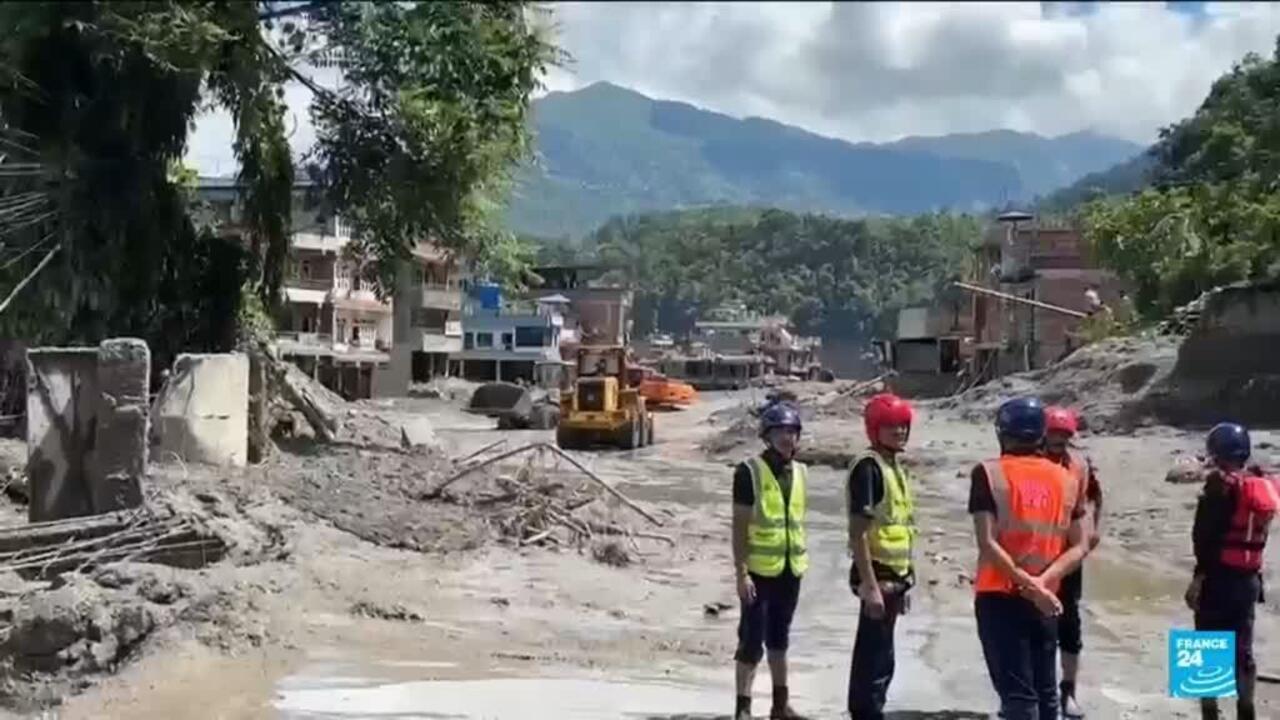
Catastrophic flooding in the Nepal-Tibet border region has left more than 1,300 people unaccounted for, a day after a disaster believed to have been triggered by a glacier collapse. The event has prompted a significant international response, with several nations moving to coordinate search and rescue efforts in the affected Himalayan zone.
The scale of the missing persons list is substantial, with approximately 800 foreign tourists currently unaccounted for. Among the affected nationals are citizens from South Korea, India, and Australia. The presence of such a large cohort of international visitors has complicated the logistical and diplomatic dimensions of the ongoing rescue operations.
In response to the crisis, South Korea, India, and Australia have each dispatched their own rescue teams to the region. These deployments aim to supplement local efforts and provide specialised support in the difficult terrain. The coordination between these national teams and local authorities is a key focus as the search continues.
The flooding is attributed to a landslide caused by a large section of a glacier collapsing into the valley, according to initial analysis. While the exact mechanics of the collapse are still being confirmed, the force of the resulting flash floods has been devastating to the border area. Communication infrastructure in the region remains damaged, further hindering the ability to account for all individuals in the affected zones.
Earlier reports indicated a death toll of at least 160 to 165, with figures for missing persons fluctuating between nearly 1,500 and the current count of over 1,300. These variations suggest that data is being updated as rescue teams gain access to previously isolated areas. The final toll is expected to rise as operations continue.
The deployment of international teams marks a shift from localised emergency response to a broader multilateral effort. For governance and policy observers, the situation highlights the challenges of managing cross-border disasters in remote regions with limited infrastructure. The coming days will likely see increased scrutiny on the efficiency of these joint operations.