NCAA targeting rule changes suspension consequences for 2026 season
Fox Sports outlines how the NCAA’s targeting rule applies to forcible contact and how experimental 2026 changes affect repeat offences.
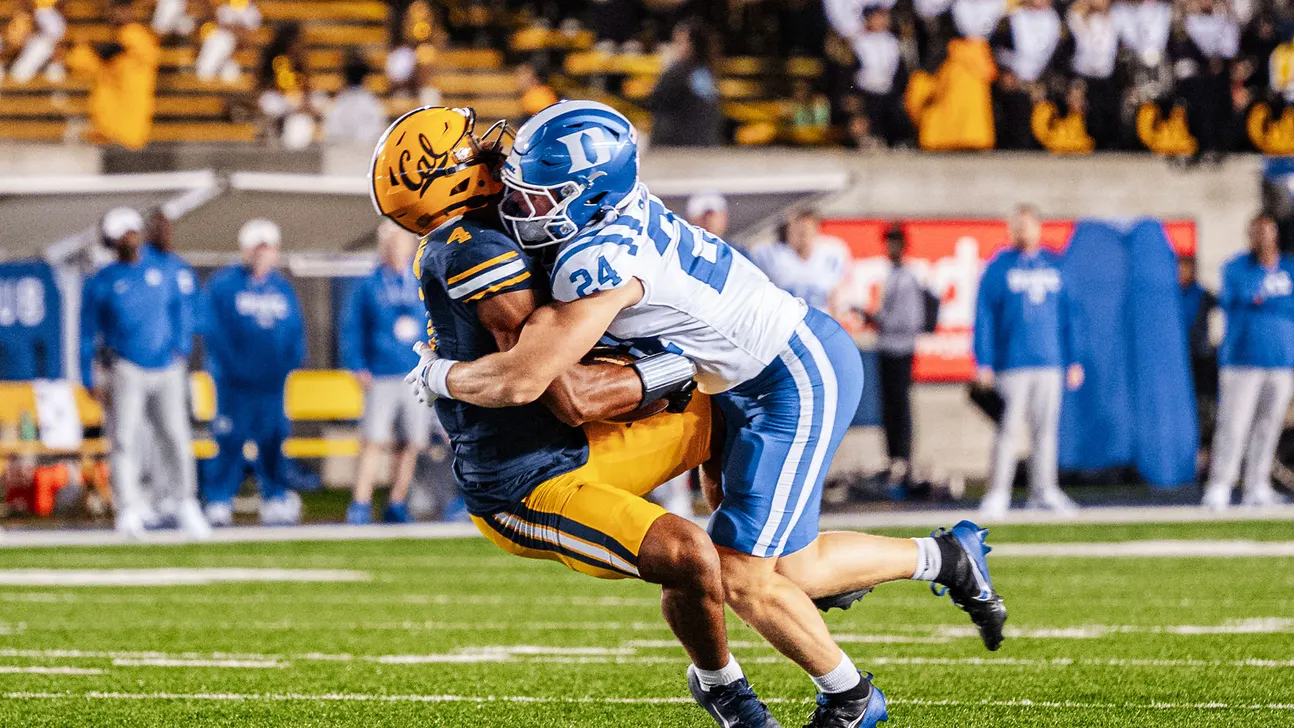
The NCAA’s targeting rule remains in place for the 2026 college football season, with its focus on forcible contact beyond a routine legal tackle, block or play on the ball. The rule places particular emphasis on contact involving an opponent’s head or neck.
Fox Sports said indicators can include leading with the crown of the helmet or making forcible contact above the shoulders of a defenseless opponent, particularly with a helmet or shoulder. Targeting calls are fouls and must be confirmed by instant replay.
Under the experimental 2026 changes outlined by Fox Sports, a player ejected for targeting in the second half does not automatically serve a first-half suspension in the following game. The change is intended to reduce the number of disqualifications carrying into subsequent matches.
A second targeting offence in the same season can trigger a first-half suspension in the next game, subject to the relevant timing and conditions. Three or more targeting fouls can also prompt a conference to submit an appeal for review by the NCAA national coordinator of football officials.
Fox Sports said an accepted appeal can make a player eligible for the full game. The supplied explanation notes that the complete wording of the experimental rule should be assessed against the current NCAA rulebook.