Nazi-looted artwork traced to descendants of Dutch SS general
Arthur Brand's investigation links the piece to Hermann Goering's plundering efforts, while the family admits possession but claims ignorance of its history until confronted
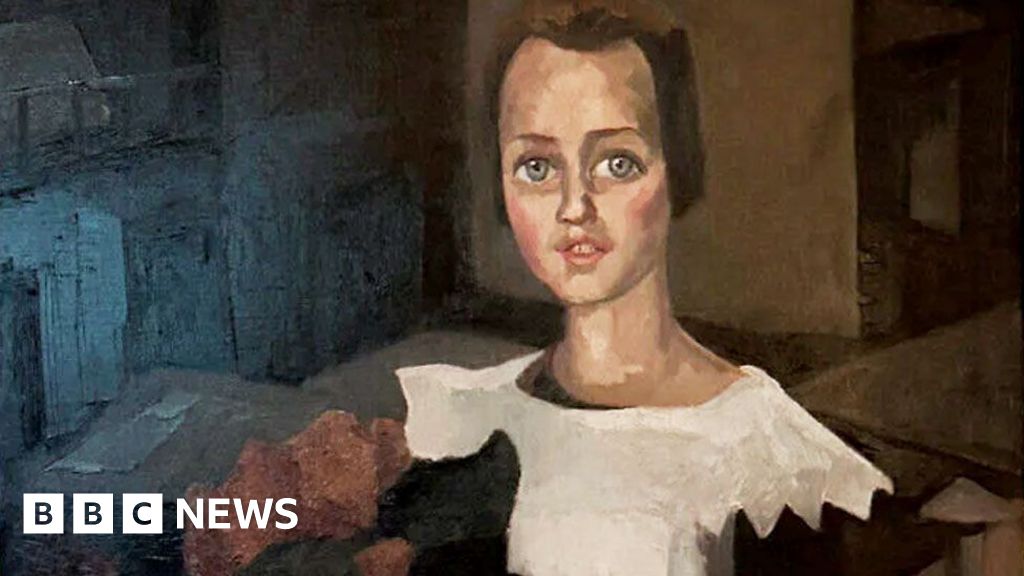
A painting titled Portrait of a Young Girl by Dutch artist Toon Kelder has been identified as Nazi-looted art following an investigation into its provenance. The work, believed to have been plundered by high-ranking Nazi Hermann Goering from Jewish dealer Jacques Goudstikker in 1940, was discovered in the residence of descendants of Dutch SS general Hendrik Seyffardt.
The identification was made by art detective Arthur Brand, who matched a label on the back of the canvas and the number 92 etched into its frame against auction archives from 1940. Brand confirmed that an item bearing this number, also titled Portrait of a Young Girl, was part of the collection sold during the dispersal of Goudstikker's assets after the Nazi invasion of the Netherlands.
Goudstikker's lawyers have verified that the collector previously owned six paintings by Kelder, including the subject of this discovery, which were included in the 1940 auction. Brand believes the artwork was acquired by Goering when Goudstikker fled for Britain in 1940 and subsequently sold to Seyffardt before passing down through the family line.
The case came to Brand's attention after a descendant of Seyffardt contacted him regarding the history of the piece. The family member, who expressed disgust at his family's retention of the artwork, approached his grandmother to inquire about its origins. She admitted to receiving the painting from her mother but stated she was unaware of its true nature until the matter was raised.
In a statement to Dutch media, the family admitted to being in possession of the painting but denied knowledge of its provenance until confronted. The family, which changed their name at the end of the war, acknowledged the painting should be returned to Goudstikker's heirs and expressed shame over the situation.
Brand described the discovery as the most significant case of his career, noting that while the family bears no personal guilt for Seyffardt's crimes, they had the opportunity to rectify the situation for decades. The family member who initiated the contact believed public disclosure was the only mechanism to facilitate the painting's return to its rightful owners.