Naval blockade of Iranian ports triggers Strait of Hormuz closure as global oil flows stall
Washington's unilateral action faces a legislative deadline by May 1, while Iranian officials maintain political unity and sufficient resources to sustain the conflict until August
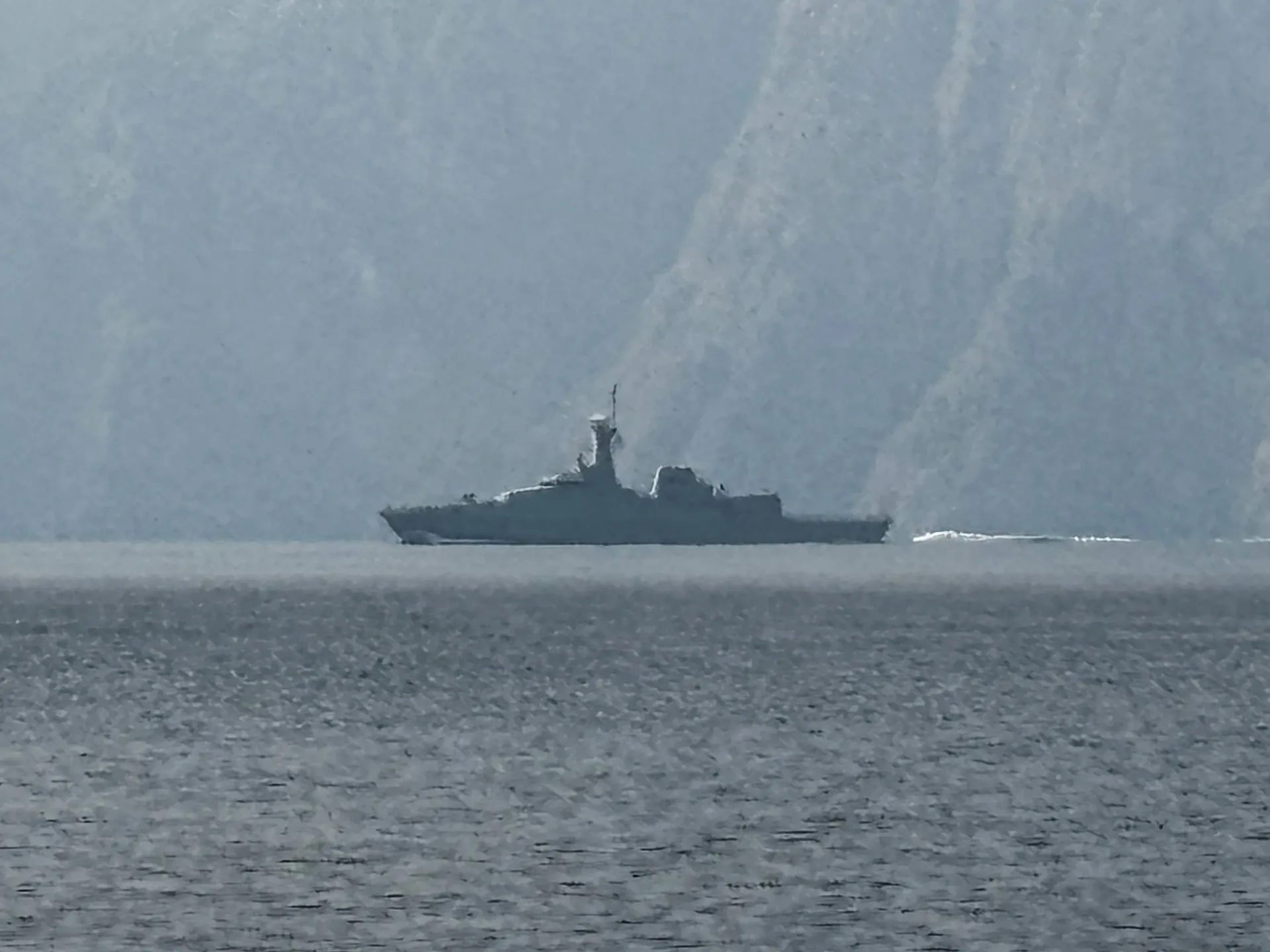
United States President Donald Trump has imposed a naval blockade on Iranian ports, asserting that the measure is inflicting financial collapse on Tehran by costing the nation $500 million per day. The declaration was announced at 14:00 GMT on 13 April, following claims that Iran is starving for cash and unable to pay its military and police forces. In response to this escalation, Iranian armed forces have closed the Strait of Hormuz to all foreign shipping and captured several foreign-flagged vessels, including those carrying Chinese cargo.
While US officials argue the blockade is crippling Iran's economy, Iranian leadership has framed the closure of the strait as a necessary security measure rather than a surrender. Iran's First Vice President, Mohammad Reza Aref, stated that the security of the Strait of Hormuz is not free, warning that restricting oil exports while expecting free security for others creates a false choice for the global market. Similarly, Iran's parliamentary speaker, Mohammad Bagher Ghalibaf, indicated that a full ceasefire is contingent upon the removal of the US naval blockade, suggesting the two actions are inextricably linked.
Despite the disruption to global oil flows and soaring prices, evidence suggests Iran continues to generate revenue from the situation. Trade intelligence indicates that Iran has exported significant volumes of crude oil in the weeks leading up to the blockade, with prices for Iranian blends remaining above $90 per barrel. Furthermore, Tehran has activated an old tanker named NASHA to store oil due to tightening capacity on Kharg Island, its primary export hub. Analysts note that Iran possesses approximately 160 million to 170 million barrels of oil afloat on ships globally, which could sustain revenue flows until August despite the blockade.
The conflict has also introduced a new revenue stream for Tehran through a toll system imposed on vessels transiting the Strait of Hormuz. Reports confirm that payments for these transit fees are being made in Chinese yuan, with at least two vessels having paid via a Chinese maritime services intermediary. This development underscores the shifting financial dynamics of the region, where Iran is leveraging its control of the chokepoint to fund its operations even as it faces external pressure.
However, the sustainability of the US blockade faces significant domestic political constraints in Washington. Former US Ambassador Adam Ereli highlights that the 60-day window for unilateral offensive action without congressional approval is set to expire around 1 May. Ereli suggests that while the policy makes strategic sense, it may not achieve its intended outcome due to these political timelines and the potential for the American public to lose patience with a prolonged engagement.
Iranian officials have consistently dismissed allegations of internal fracture within the government, presenting a united front against the US and its allies. President Masoud Pezeshkian and Foreign Minister Abbas Araghchi have emphasised that the battlefield and diplomacy are coordinated fronts, rejecting narratives of infighting between moderates and hardliners. This assertion of national unity stands in contrast to US claims that Iranians are struggling to identify their leadership, with Tehran insisting that its institutions remain disciplined and purposeful in the face of the blockade.