NASA outlines electrician career pathways for secondary students
A new career spotlight details how electricians and electrical technicians ensure safety and functionality for rocket launches, spacecraft testing, and research facilities.
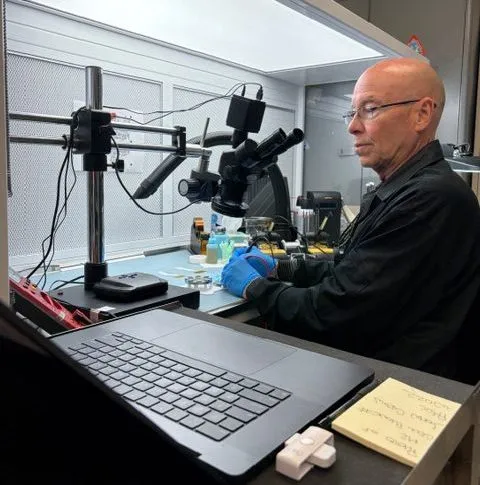
NASA has published a career spotlight targeting students aged 14 to 18, outlining the critical role of electricians in supporting space missions. The release details how electricians ensure the safety and functionality of electrical systems for rocket launches, spacecraft, and research facilities. It outlines training pathways, including associate degrees, apprenticeships, and military training, while emphasising the need for technical precision and safety in handling space hardware.
The agency distinguishes between electricians, who ensure systems and equipment are installed safely and working correctly, and electrical technicians, who focus on building, modifying, or testing electronic devices. Technicians are required to test instruments in conditions mimicking space, including extreme temperatures, intense vibrations, and vacuum. The release notes that specific licensing guidelines for electricians vary by state within the United States. It also includes specific high school preparatory advice, such as taking courses in math, science, and technical education, and learning basic concepts like circuitry and safety.
The role of electricians and technicians is critical for maintaining power and functionality for facilities and equipment essential to human spaceflight. General educational pathways available for entering the trade include community colleges, trade schools, technical institutes, and trade unions. U.S. military electronics training can be transferred to college credits or civilian certifications. The historical context of NASA facilities mentioned includes Kennedy Space Center in Florida, Glenn Research Center at Armstrong Test Facility in Sandusky, Ohio, and Goddard Space Flight Center in Greenbelt, Maryland.
Staff members from these facilities provided testimonials regarding the scope of their work. Christopher Johnson, an aerospace electrical engineering technician at Kennedy Space Center, noted the opportunity to make a significant impact. Levi James, an electrician apprentice at Glenn Research Center, highlighted the broad scale of opportunities, stating that everything at the agency requires electricity. David McClaeb, an electronic technician at Goddard Space Flight Center, described the gratification of solving difficult technical challenges and building devices for missions.
The spotlight advises students to begin researching associate degree programs and apprenticeship opportunities to understand program requirements. It suggests gaining useful experience through part-time work or shadowing electricians on the job. Technical skills focus on the basics, including how electricity works, safety protocols, and reading schematics. The agency also emphasises the importance of soft skills, such as communication and the ability to take feedback, which are essential for consistently building systems and devices that work well.