NASA food safety system shifted US inspection towards prevention
A system developed for astronaut meals helped move US food regulation beyond reliance on finished-product testing.
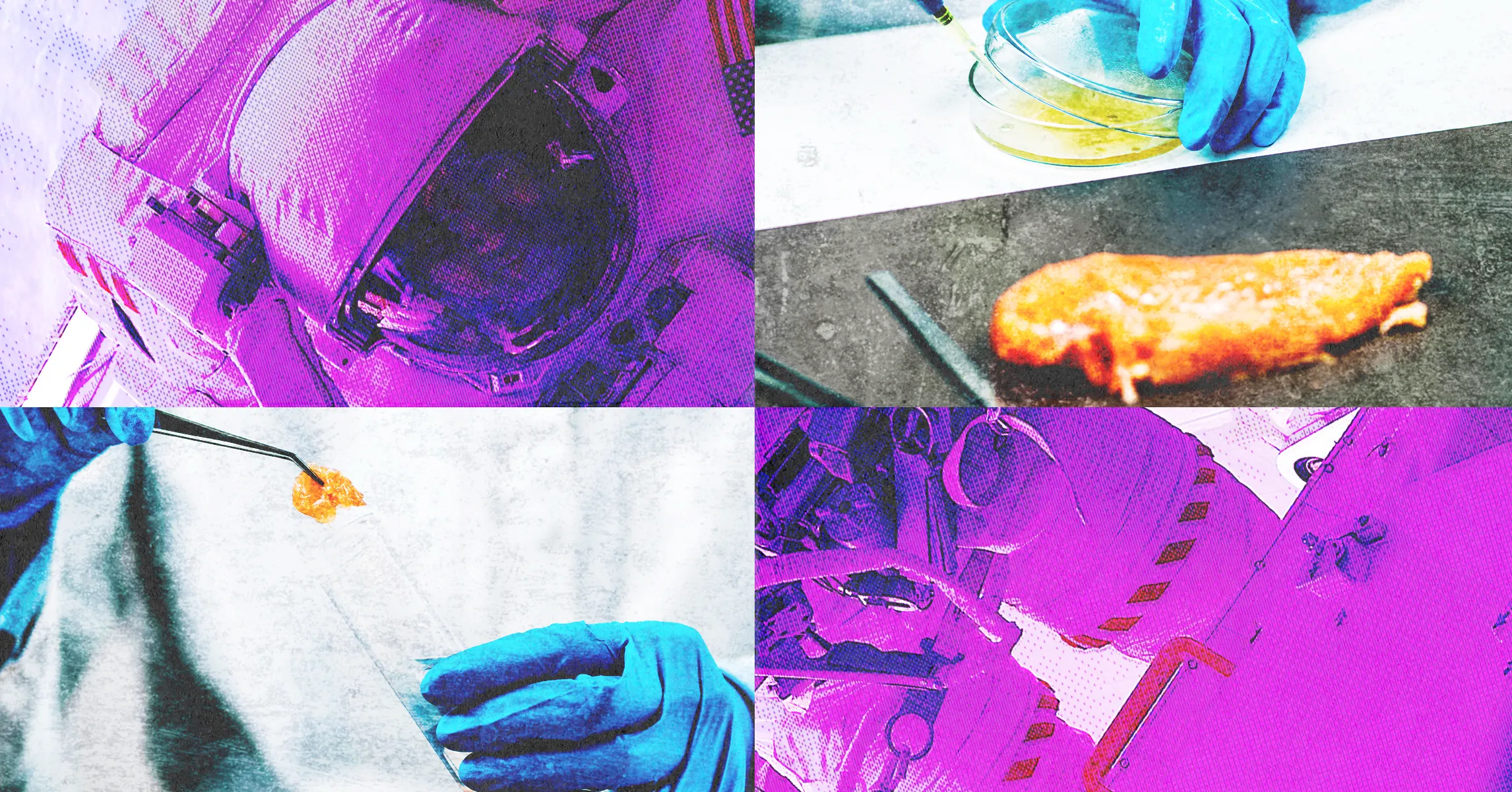
NASA food scientist Paul Lachance and his colleagues developed Hazard Analysis and Critical Control Point procedures in the 1960s to protect astronauts on multi-day missions, where food poisoning could have been catastrophic. The system focused on identifying hazards and controlling critical points during production rather than testing every finished item.
The approach addressed the limits of “poke and sniff” inspections established after the 1906 Federal Meat Inspection Act. Those checks could identify visible or detectable diseases, but could not detect Escherichia coli. A 1993 Jack in the Box outbreak sickened more than 700 people and killed four children, adding pressure for preventive controls.
Pillsbury, which helped develop HACCP for NASA, applied the process to consumer food production after 1971. US regulators began introducing HACCP-based rules in 1973, the National Academy of Sciences endorsed the approach in 1985, and meat processors were required to adopt it in 1996.
The source, a WIRED excerpt from Alex Davies’ book Kobuk the Destroyer and Other Tales from the Wild, Unseen World of Test Engineering, says E. coli illness had fallen 42 per cent by 2004, reaching a US Centers for Disease Control and Prevention goal six years early. It does not establish how much of that reduction was attributable to HACCP alone.
The system was expanded through the 2011 Food Safety Modernization Act, but it did not eliminate foodborne illness or end inspection. The source says foodborne disease still sickens 48 million people in the US each year, underlining the limits of a framework whose effectiveness depends on how consistently manufacturers and regulators apply it.