Nair frames UK-France migration agreement as post-Brexit diplomacy
The Queen Mary University of London professor says deterrence risks reducing displacement to numbers, and calls for safe legal routes and greater accountability.
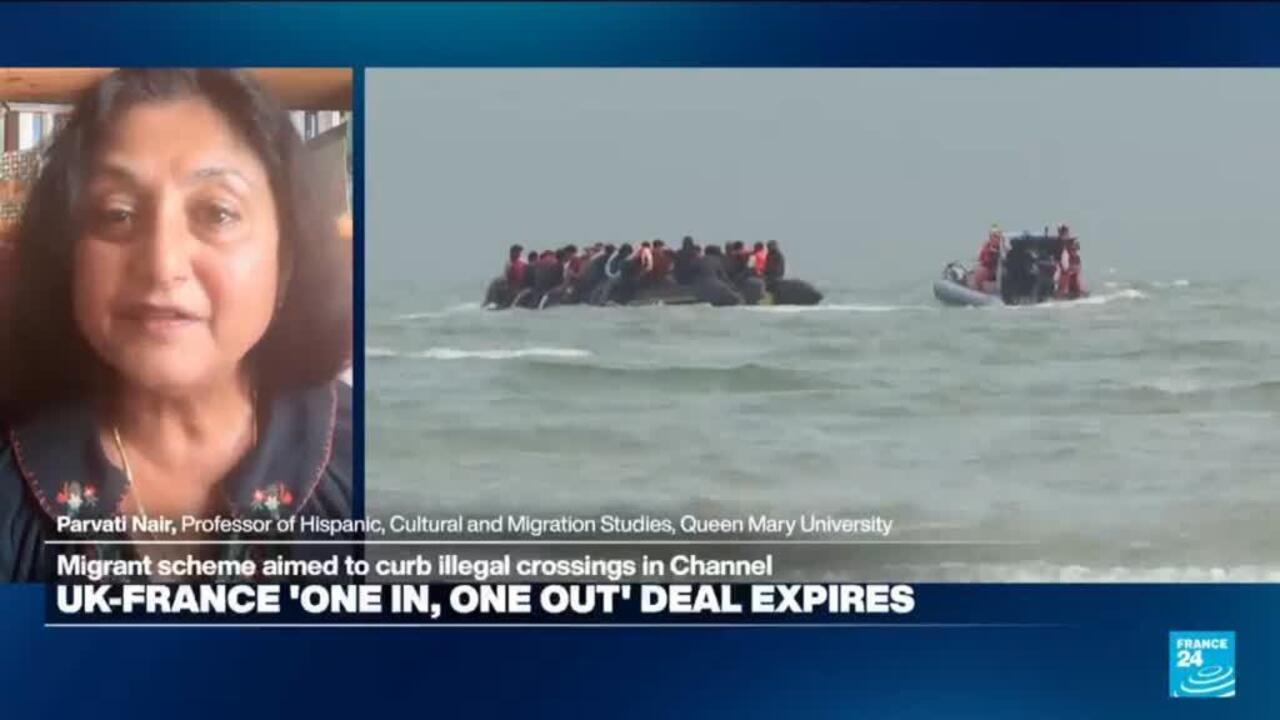
The UK-France migration agreement is part of a wider post-Brexit relationship involving diplomacy, security, intelligence and surveillance, Parvati Nair told France 24. The Professor of Hispanic, Cultural and Migration Studies at Queen Mary University of London described the agreement as a small but revealing element of that relationship.
Nair argued that deterrence-focused policies risk reducing complex displacement to numbers while obscuring the circumstances of people making these journeys. Some may be political or economic refugees, she said; many have fled conflict, displacement and trauma.
She said governments should address the conflicts, climate disasters and historical inequalities that drive displacement, while providing safe and legal pathways for people to move.
Nair also called for greater accountability and transparency, and a reconsideration of border militarisation and the criminalisation of mobility. She said public and media representations of migration should better recognise the human realities involved.
The source material provides no terms or implementation details for the agreement, and does not establish its effects on people seeking asylum. Nair framed the broader challenge as balancing national sovereignty with human dignity, while recognising that migration can enrich societies.