Myanmar’s diplomatic push continues with Vietnam visit
Min Aung Hlaing’s sixth overseas trip since April signals a strategic effort to diversify regional alliances, even as the regime remains excluded from senior ASEAN forums and faces mounting international scrutiny.
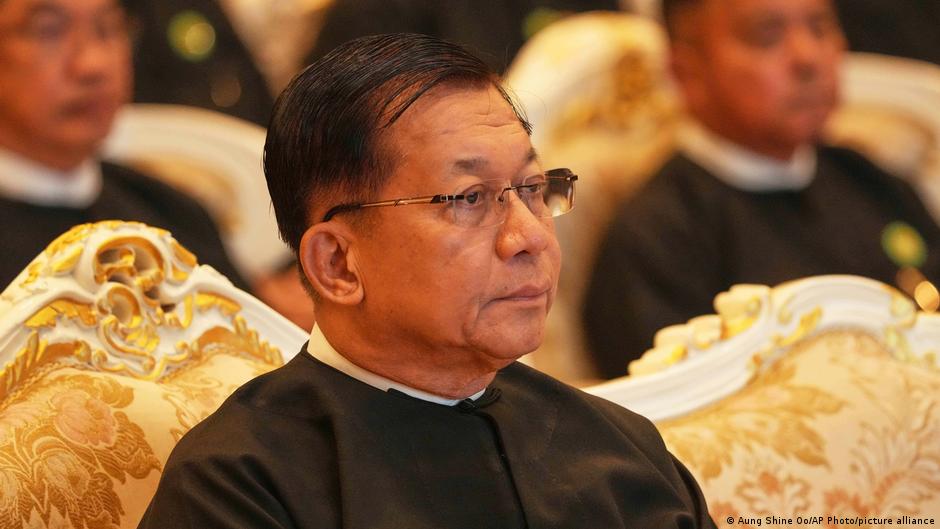
Myanmar’s leader, Min Aung Hlaing, has completed a three-day state visit to Vietnam, marking his sixth official overseas trip since assuming the presidency in April. During the visit, the two Southeast Asian neighbours agreed to strengthen defence and security ties, a move that underscores Naypyitaw’s ongoing effort to expand regional partnerships. The trip follows a rapid diplomatic schedule that included visits to India, China, Laos, Thailand and Russia, with a further visit to Cambodia scheduled for Friday.
The acceleration in foreign travel coincides with Min Aung Hlaing’s transition from military commander-in-chief to head of state. He was elected by a parliament dominated by loyalists following military-run elections in December and January, which were widely criticised as fraudulent. Analysts suggest this intensified outreach is designed to normalise bilateral relations and shore up the government’s allies in the region, despite the regime’s continued isolation.
Hunter Marston, head of the Southeast Asia Program at the Sydney-based Lowy Institute, noted that the frequency of these visits indicates a clear strategy to diversify Myanmar’s partnerships. “Even if they're relatively short trips to regional friends and allies, I think it shows that there is an acceleration of Naypyitaw's strategy to diversify its partnerships and to normalize relations bilaterally,” Marston said.
However, the diplomatic offensive has not yet translated into full acceptance by the Association of Southeast Asian Nations (ASEAN). Min Aung Hlaing and his foreign ministers remain excluded from the bloc’s senior-level meetings due to limited progress on the peace plan agreed upon by members in 2021. Malaysia, Indonesia and the current ASEAN chair, the Philippines, have been particularly adamant about maintaining this exclusion until Myanmar demonstrates meaningful progress.
The regime’s standing is further complicated by a civil war that has reportedly killed an estimated 100,000 people and displaced more than 3 million since the 2021 coup. The United Nations recently reported that human rights conditions have reached a new low, citing forced recruitment and indiscriminate air strikes. These factors have contributed to Myanmar becoming one of the most heavily sanctioned countries in the world, with various court filings for genocide and war crimes pending at The Hague and elsewhere.
Scot Marciel, a senior adviser at BowerGroupAsia and former US ambassador to Myanmar, observed that while the military is emerging from isolation, engagement remains largely limited to countries that had prior working relationships with the regime. “The military clearly hopes increased engagement will give it legitimacy that will help it cement its status, but it has not gained any legitimacy among the Myanmar public,” Marciel said.
Looking ahead, analysts suggest that Thailand’s assumption of the ASEAN rotating chairmanship in 2028 could facilitate a return to the fold, given its significant business interests and shared border. Meanwhile, Western nations appear unlikely to ease sanctions in the near term, particularly with a potential International Criminal Court arrest warrant for Min Aung Hlaing still pending.