Myanmar junta shifts Suu Kyi to house arrest amid regional diplomatic manoeuvring
Experts warn the transfer, timed ahead of the ASEAN Summit, may serve to bolster the military regime's legitimacy rather than signal genuine political engagement
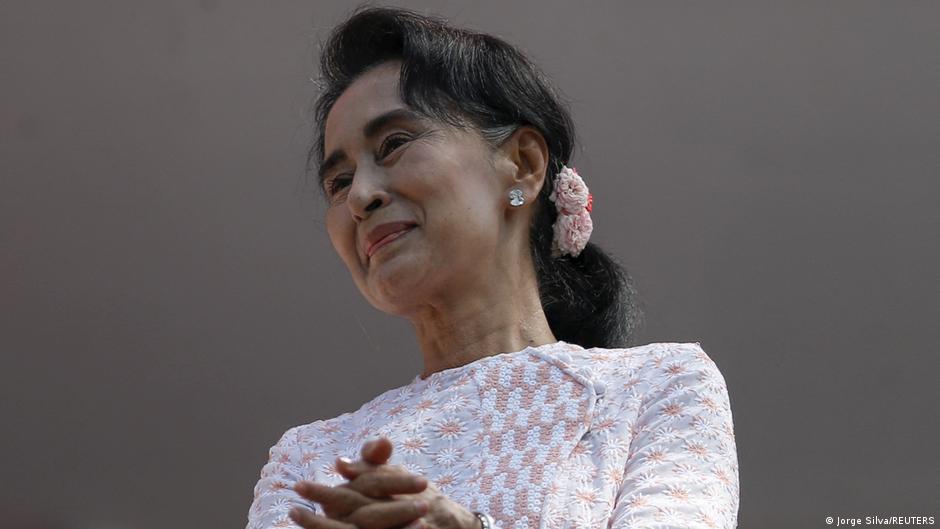
Myanmar's state media reported on April 30 that former leader Aung San Suu Kyi has been transferred from prison to house arrest after serving more than five years in detention. This move coincides with an annual amnesty granted by the military-run government, which released 1,519 prisoners including 11 foreigners as part of a routine measure tied to a Buddhist holiday. While Suu Kyi, who was detained following the February 2021 coup, is now permitted to reside at home, she remains under strict confinement and still has several years of her prison sentence to serve.
International reaction to the shift has been mixed, with United Nations figures describing the announcement as a meaningful step toward a credible political process. However, analysts caution that the timing suggests a strategic calculation by the junta rather than a commitment to democratic reform. The transfer occurs just before the ASEAN Summit in the Philippines, leading experts to suggest the authorities are attempting to create manoeuvring space within the bloc to re-engage with regional partners after Myanmar's partial suspension in 2021.
The underlying political reality remains unchanged, with the National League for Democracy (NLD) still outlawed and its leadership decimated by arrests and exile. The junta oversaw elections in late 2020 and early 2021 that were dismissed by Western governments and rights groups as neither free nor fair, allowing the military-backed Union Solidarity and Development Party to dominate the process. Despite these efforts to project stability and a civilian facade, the country continues to face an ongoing civil war, with nearly 8,000 people killed and around 3.6 million displaced since the coup.
Diplomatic manoeuvring appears to be a primary driver behind the decision, particularly regarding relations with China. Unconfirmed reports indicate that Chinese Foreign Minister Wang Yi met with Suu Kyi during his visit to Naypyitaw on April 25, preceding the official transfer. While Beijing has not officially commented on the meeting, a Foreign Ministry spokesperson noted on April 30 that Suu Kyi is an old friend of China and her circumstances have always been on their minds. Analysts suggest Beijing may have encouraged the easing of her detention to stabilise its border and protect major infrastructure interests.
Conversely, the European Union has maintained a harder line, extending sanctions on military-linked entities for another 12 months. An EU spokesperson reiterated the demand for Suu Kyi's full release and called for full respect of her physical and mental wellbeing, alongside regular access to family and legal counsel. The bloc remains adamant that only wholesale democratic reform would alter its policy, contrasting sharply with the diplomatic overtures seen from other regional actors.
While Suu Kyi and the NLD retain significant popularity, the pro-democracy movement has largely moved beyond her in the five years since the conflict began. Civilian militias and ethnic armed organisations have increasingly focused on federalism, minority rights, and dismantling the military's political dominance. Whether this transfer alters Myanmar's political trajectory remains uncertain, as the junta continues to utilise her status as a bargaining chip while the nation remains engulfed in conflict.