Mumbai's Dharavi faces proposed redevelopment requiring partial population relocation
A major initiative to upgrade sanitation, education, and healthcare facilities in the heart of Mumbai has been proposed, though the requirement to move a segment of the nearly one million inhabitants remains a point of contention.
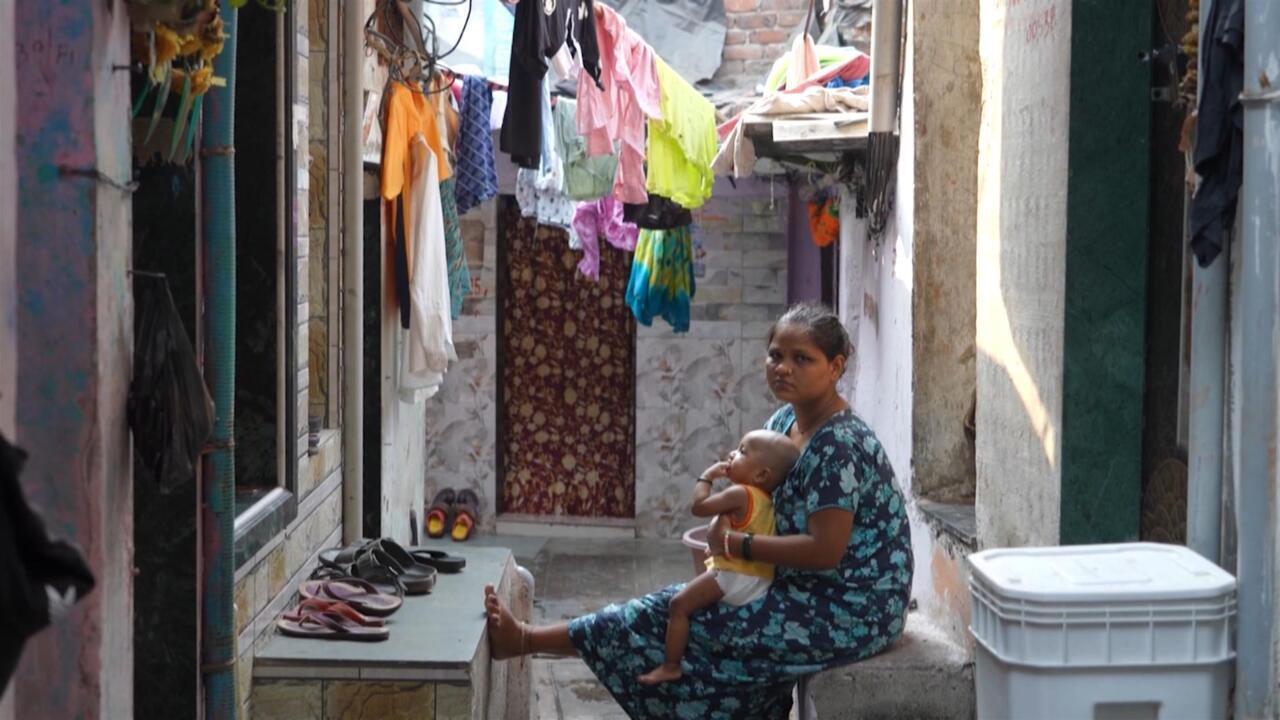
A significant redevelopment proposal has been advanced for Dharavi, the sprawling settlement in the heart of Mumbai that serves as home to nearly one million people. The plan, which aims to fundamentally alter the urban landscape of this densely populated area, outlines the construction of high-rise skyscrapers alongside essential social infrastructure including sanitation systems, parks, schools, and hospitals.
While the project promises modern amenities and improved living standards, the governance of such large-scale urban renewal brings immediate social friction. The initiative necessitates the relocation of a portion of the existing population, a move that has generated considerable concern among the thousands of residents who have established their lives and livelihoods within the community over several generations.
Dharavi, which gained international prominence following the release of the film "Slumdog Millionaire", stands as one of the world's most densely populated slums. The proposed transformation seeks to balance commercial development with social welfare, yet the mechanism of implementation relies on displacing long-standing communities to make way for the new structures.
The scope of the project is extensive, targeting a mix of commercial and civic needs. By introducing skyscrapers and upgrading critical services like sanitation and healthcare, the plan intends to address infrastructural deficits that have long characterised the area. However, these physical improvements come with the caveat of forced movement for some residents, creating a tension between institutional progress and community stability.
Residents who have lived and worked in the area for decades view the proposal with apprehension, fearing the disruption of their established social networks and economic ecosystems. The uncertainty surrounding the specific number of people to be relocated and the timeline for execution adds to the anxiety, as the details of the transition remain largely unquantified in current reporting.
As the proposal moves forward, the focus remains on how the authorities will manage the transition. The success of the redevelopment will likely depend on navigating the complex relationship between the promise of modern infrastructure and the rights of the generations who have called this part of Mumbai home.