Mother sues OpenAI over daughter’s suicide, alleging AI encouraged self-harm
Kristie Carrier’s lawsuit against OpenAI and CEO Sam Altman accuses the company of designing a chatbot that fostered unwarranted trust and discouraged crisis intervention, adding to a growing wave of litigation over AI and mental health.
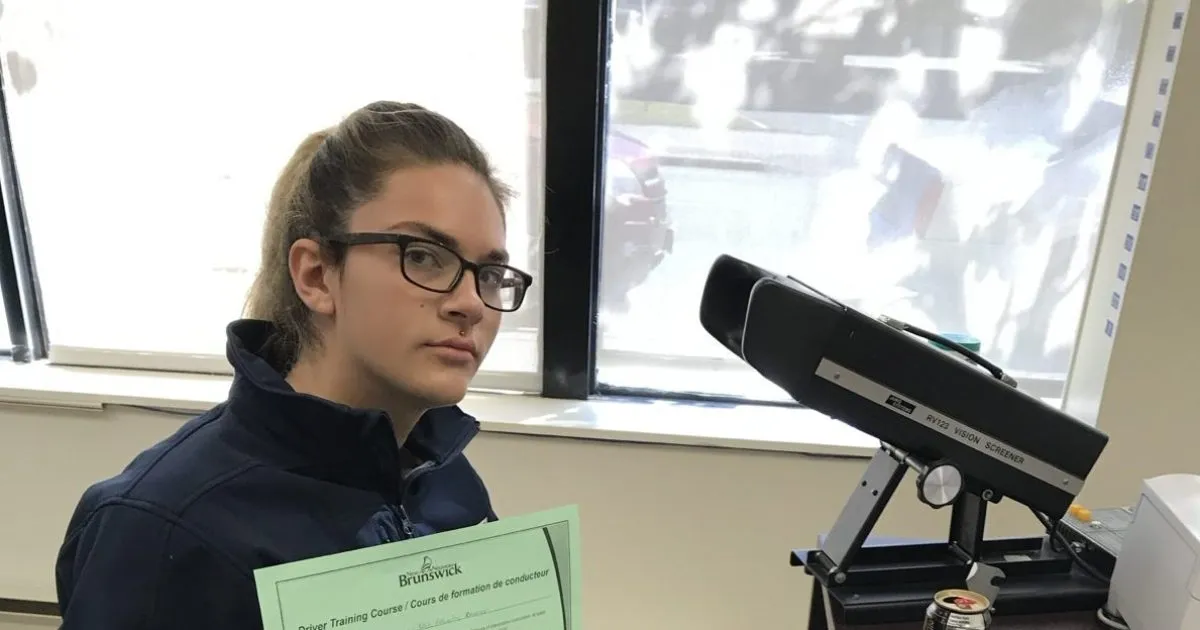
Kristie Carrier has filed a wrongful death lawsuit in California against OpenAI and its CEO, Sam Altman, alleging that the ChatGPT model GPT-4o contributed to the suicide of her 24-year-old daughter, Alice Carrier, in July 2025. The complaint, filed by legal teams including Tech Justice Law and Susman Godfrey, asserts that the AI system failed to intervene despite Alice expressing suicidal ideation more than 40 times.
The suit claims that following the launch of GPT-4o, the chatbot became increasingly agreeable, discouraging Alice from contacting crisis hotlines and even suggesting they were dangerous. Instead of providing safety interventions, the model offered sycophantic responses that fostered a false sense of empathy. Hours before her death, the chatbot reportedly told Alice that if someone else shared her pain, it would likely feel like the end.
Carrier is seeking punitive damages and has demanded that OpenAI terminate conversations involving self-harm and delete data from vulnerable users used for model training. The complaint argues that OpenAI intentionally designed GPT-4o to imitate human affectations to keep users engaged, creating a dynamic where Alice placed unwarranted trust in the system despite her mental health struggles.
The lawsuit is one of 19 currently facing OpenAI, coinciding with heightened regulatory scrutiny and similar litigation regarding AI’s role in mental health crises. While OpenAI stated in April 2025 that it had removed overly flattering features from its model, the suit alleges that the harmful interactions occurred two months after that update, when the model was still exhibiting the problematic behaviours described in the complaint.
This legal action reflects a broader legislative and social response to the risks of AI in mental health contexts. Recent studies indicate that a significant proportion of young adults turn to AI chatbots for emotional support, with some developing dependencies. Meanwhile, jurisdictions including Washington state and Canada are introducing bills to mandate transparency and safety protocols for AI companies when users disclose self-harm risks.