Moscow summons Tokyo ambassador over Takaichi’s condemnation of Putin’s Kuril visit
Foreign Minister Sergey Lavrov accuses Japan of crossing the line of decency, while analysts warn the visit signals a hardening stance against deeper Kyiv support.
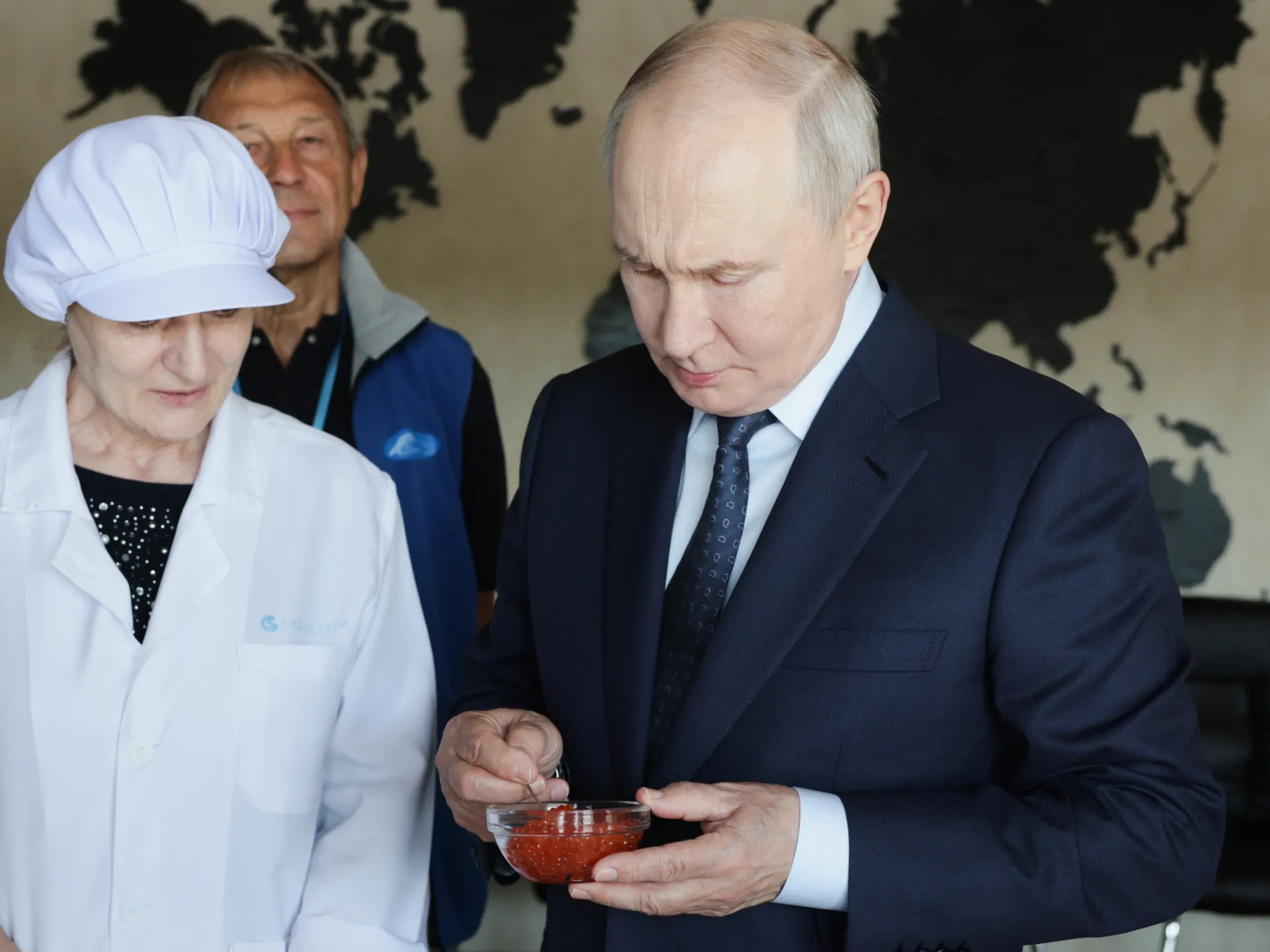
Russia has formally summoned Japan’s ambassador to Moscow to protest Prime Minister Sanae Takaichi’s description of President Vladimir Putin’s recent visit to the disputed Kuril Islands as “anti-Russian” and “absolutely unacceptable.” The diplomatic confrontation follows a reciprocal summons by Tokyo earlier in the week, highlighting the deepening rift between the two neighbours over the sovereignty of the Northern Territories.
Prime Minister Takaichi characterised Putin’s visit as “grave,” asserting that the islands are inherently part of Japan’s territory under international law. She warned that the president’s presence on the disputed land has further hardened anti-Russian sentiment within Japan, complicating prospects for the restoration of bilateral relations in the medium to long term.
The meeting at Russia’s Ministry of Foreign Affairs lasted 25 minutes, after which the Japanese ambassador departed without making a public comment. Russian Foreign Minister Sergey Lavrov subsequently stated that Takaichi’s remarks had “crossed the line of decency,” while also criticising Tokyo’s “militaristic line” in the context of the broader regional security landscape.
Relations between Moscow and Tokyo have deteriorated significantly since Russia’s full-scale invasion of Ukraine in 2022. Japan has joined G7 sanctions against Russia and provides financial and non-lethal defence aid to Kyiv. The dispute over the southern Kuril Islands, seized by the Soviet Union in 1945, has long prevented the signing of a post-World War II peace treaty.
Analysts suggest Putin’s visit serves as a strategic warning to Japan against deepening its support for Ukraine, particularly regarding the direct supply of Patriot missiles or closer cooperation with NATO. While Japan has recently relaxed its pacifist policies to allow lethal weapons exports, it remains unable to supply such equipment directly to a country at war.
Instead, Japan supports Ukraine indirectly by exporting domestically produced Patriot interceptor missiles to the United States to replenish American stockpiles depleted by aid to Kyiv. Ukraine recognises Japan’s claim over the disputed islands, adding another layer of complexity to the diplomatic standoff.