Moscow scales back Victory Day parade as security concerns reshape Red Square display
North Korean troops join the march while President Putin links historical victory over Nazi Germany to the current special military operation
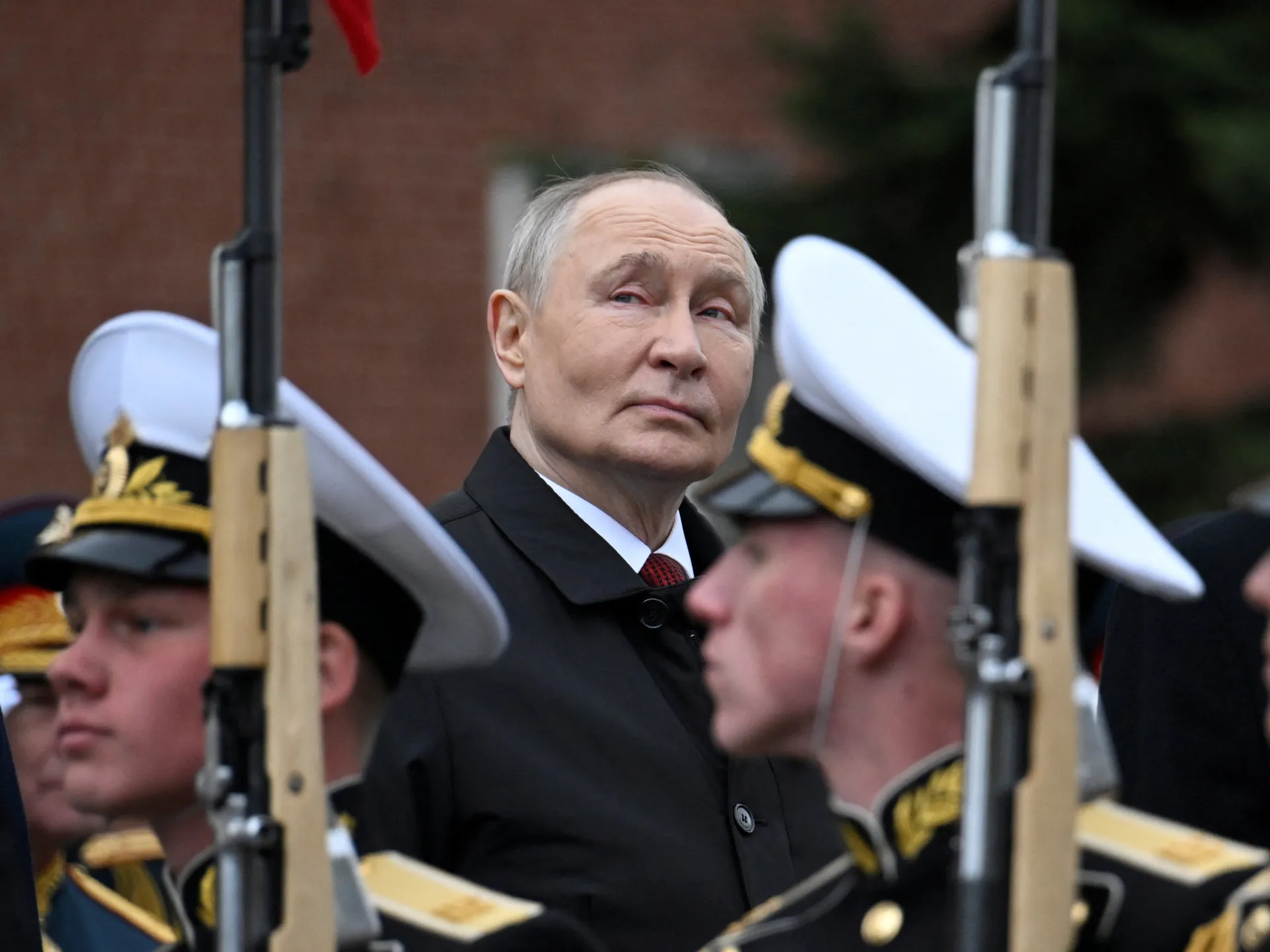
Russia held one of its most reduced Victory Day parades in years on Red Square, a significant departure from the event's traditional showcase of military might. Citing security threats from Ukraine, the Kremlin opted to omit tanks and heavy ground-based armaments from the physical procession. This decision marks a notable shift for the holiday, which has historically served as a primary platform for displaying the nation's military capabilities to a domestic audience.
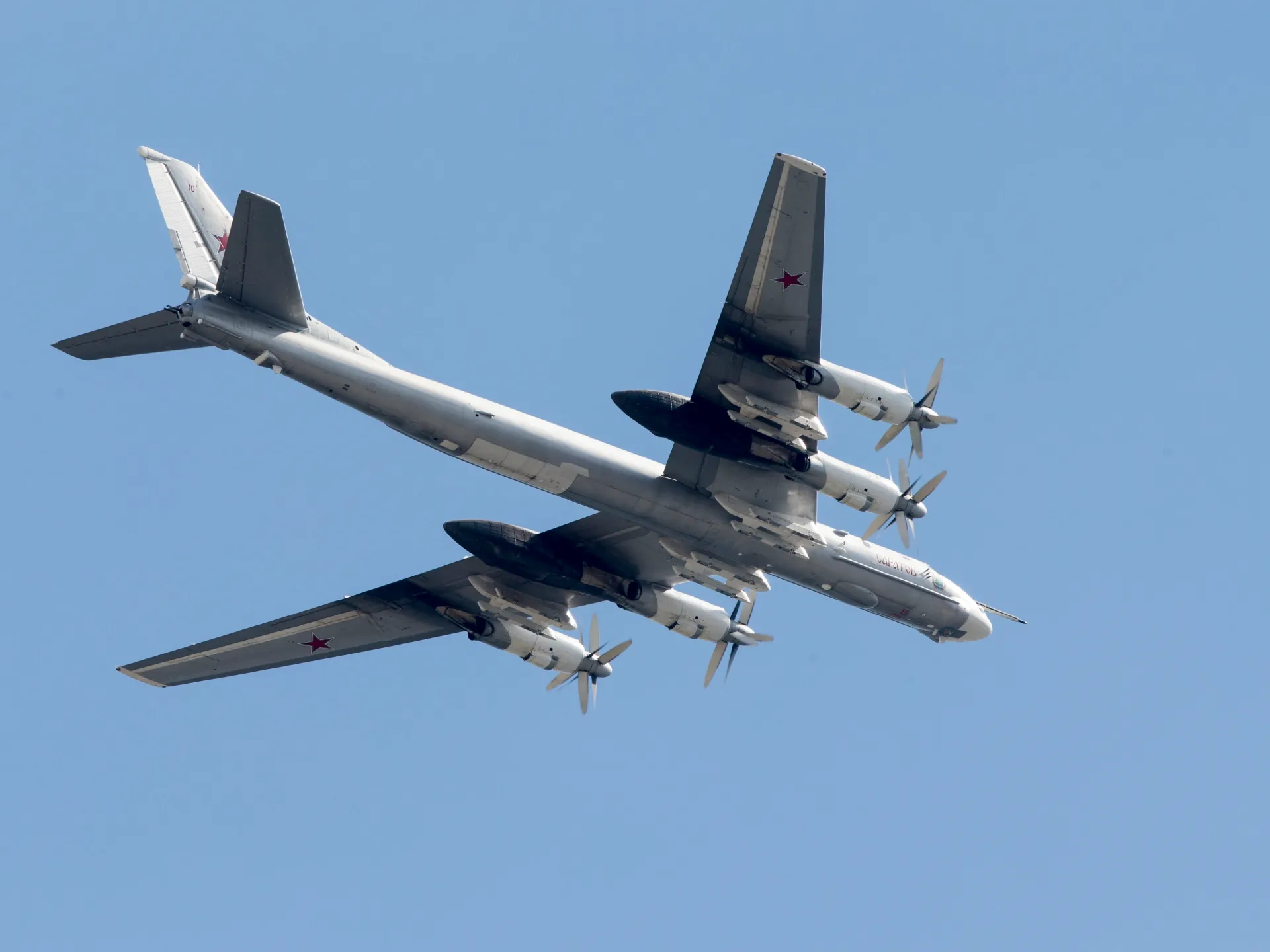
Instead of rolling hardware, the square featured giant screens broadcasting advanced weaponry, including the Yars intercontinental ballistic missile, the Arkhangelsk nuclear submarine, the Peresvet laser weapon, the Sukhoi Su-57 fighter jet, the S-500 surface-to-air missile system, and various drones. This digital substitution highlights the constraints placed on the event, transforming what was once a tangible demonstration of force into a mediated display of technological assets.
The march itself included soldiers and sailors, some of whom have served in Ukraine, who moved through the square chanting. Notably, North Korean troops also participated in the procession. These forces have been engaged in combat against Ukrainian units in Russia's Kursk region, adding a layer of current operational context to the ceremonial display. Their presence underscores the continued involvement of allied forces in the broader conflict.
President Vladimir Putin delivered an eight-minute address from the balcony of the Kremlin, promising victory in the Ukraine conflict, which the Kremlin terms a special military operation. In his remarks, he explicitly linked the historical defeat of Nazi Germany to the present struggle, stating that the victorious generation inspires soldiers confronting an aggressive force armed and supported by the entire NATO bloc. This rhetorical framing seeks to draw a direct parallel between the Great Patriotic War and the ongoing war in Ukraine.
The reduced security posture of the parade coincides with a fragile three-day ceasefire that was reportedly facilitated by US President Donald Trump. This temporary truce, running from Saturday through Monday, was announced to ensure the safety of the commemorations. The timing of the event suggests that the scale of the display is directly influenced by the immediate security environment and the need to manage potential risks during the holiday.
Victory Day remains one of Russia's most revered national holidays, observed in other former Soviet states including Belarus and Kazakhstan. While the physical display of heavy weaponry has been omitted, the event continues to function as a rallying point for national pride. The decision to scale back the parade reflects the complex reality of a conflict that has lasted over four years, with Moscow's forces failing to achieve a decisive victory despite heavy casualties.