Moscow-backed forces in Mali report limited progress as insecurity persists
Russian paramilitary units operating in the Sahel state have achieved restricted gains against jihadist insurgents, according to a correspondent reporting on the ground. Concurrently, emerging accounts suggest a deterioration in conduct among the Moscow-supported troops, casting doubt on the strategic utility of the intervention for Bamako's military leadership.
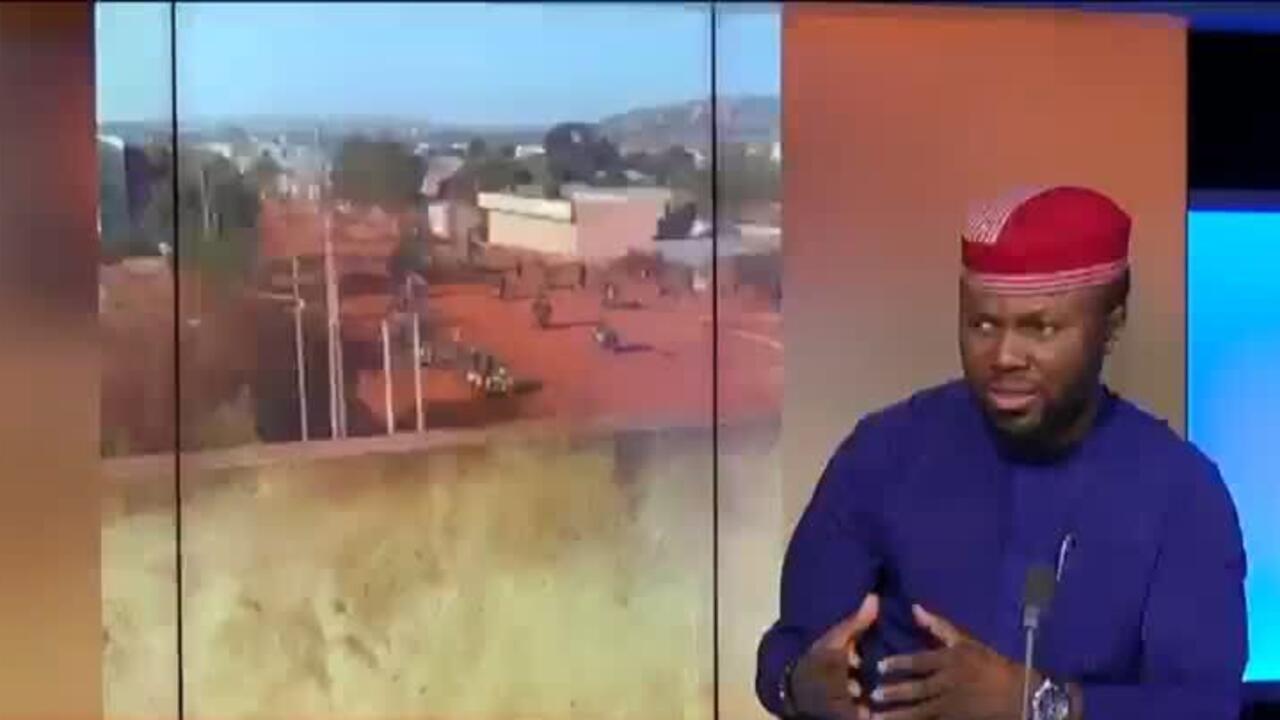
Russian paramilitary forces currently deployed in Mali have recorded limited progress in their campaign against jihadist groups, according to Philip Obaji, a Nigerian journalist and correspondent for the Daily Beast. The assessment highlights a stagnation in offensive capabilities despite the continued presence of Moscow-backed troops intended to assist the country's military rulers in stabilising the region.
This operational plateau coincides with a broader climate of ongoing insecurity across the nation. Armed groups continue to target military positions in the capital and interior towns, sustaining attacks that undermine the security apparatus. Recent incidents include sustained gunfire reported near Modibo Keïta International Airport, indicating that the threat environment remains volatile and that the current deployment has not yet secured the perimeter.
Mounting allegations of abuses committed by these Russian mercenaries have further complicated the political landscape. These reports question the conduct of the foreign forces supporting the junta and suggest that the intervention may be generating as much friction as it is intended to resolve. The nature and scope of these alleged violations remain unverified in the available reporting, yet they represent a significant concern for the legitimacy of the Moscow partnership.
The situation raises substantive questions regarding the effectiveness of the Russian deployment in supporting Mali's military rulers. If the paramilitary units cannot secure key positions or operate without incident, the strategic rationale for their continued presence becomes increasingly tenuous. The reliance on external forces to combat internal insurgencies appears to be yielding mixed results, with neither the battlefield nor the domestic security situation showing clear improvement.
France 24 International and the Associated Press have been tracking these developments, documenting witness accounts of the fighting and the specific details of the recent attacks. While the Associated Press cited details regarding gunfire near the airport, the primary narrative of limited gains and rising misconduct stems from the on-the-ground reporting of Obaji. These sources collectively paint a picture of a conflict that remains unresolved and a foreign intervention that faces significant operational and reputational hurdles.
The designation of the attacking groups as "terrorist" comes from Mali's army, though independent verification of this specific classification is recommended for broader context. Until the long-term strategic impact of these limited gains is clear, or until the allegations of abuse are corroborated by multiple sources or official investigations, the efficacy of the Russian mission remains in doubt.