Moscow and Europe tighten grip on Russian dissidents as statelessness rises
With Russia revoking citizenship and European states limiting residency, political exiles face a dual punishment that leaves many without legal protection or safe havens.
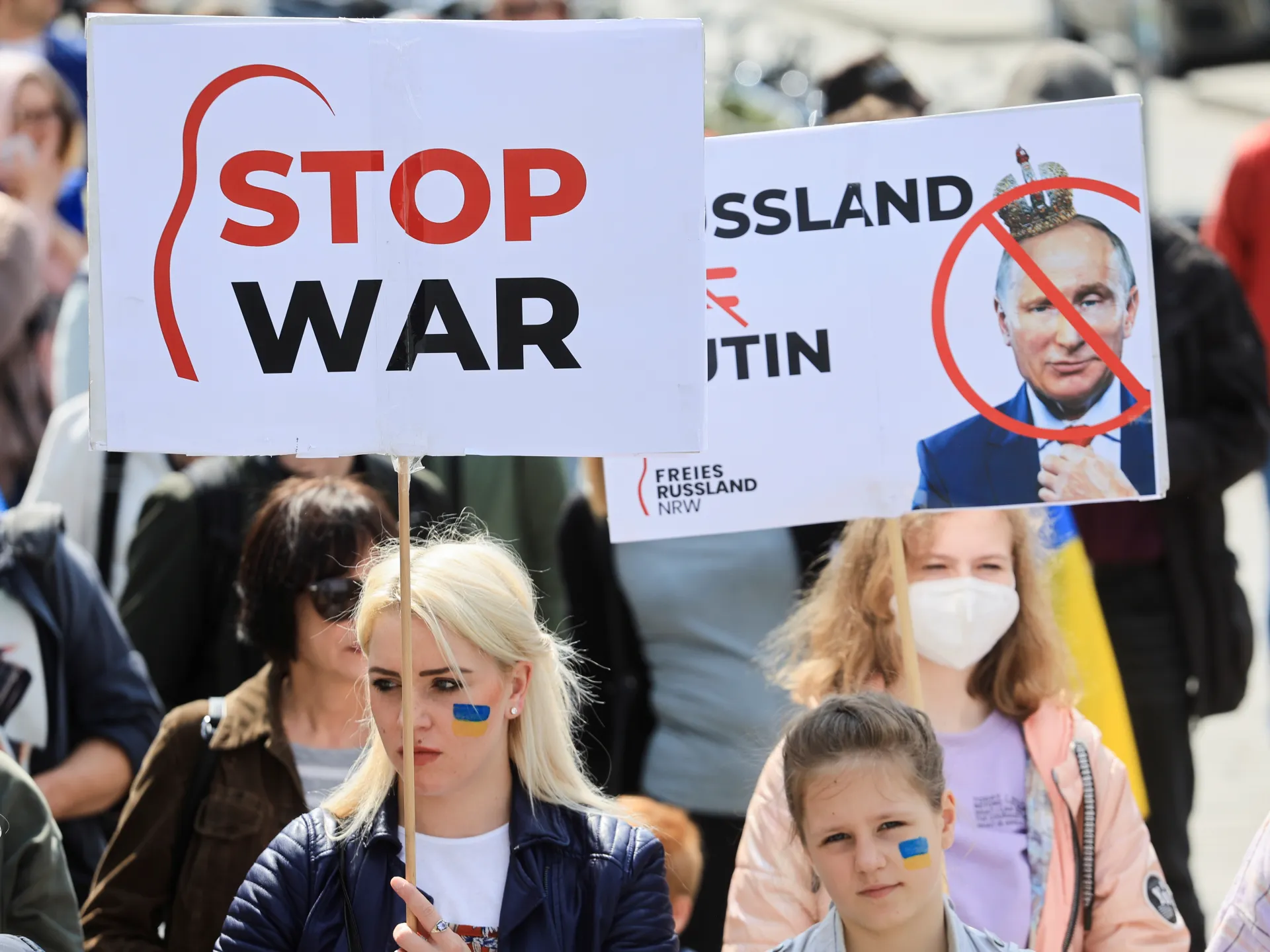
Russian President Vladimir Putin has signed legislation that effectively strips political dissidents living abroad of their consular rights, a move that aligns with a broader trend of European nations tightening asylum and residency rules for Russian emigres. The new law restricts consular services for citizens sentenced in absentia for political offences, including violations of the “foreign agent law” or charges of “discrediting” the Russian army. This measure prevents affected individuals from renewing passports or accessing essential state services, potentially impacting thousands of citizens.
The legislation creates a scenario of de facto statelessness for those targeted. While their citizenship is not formally revoked, the denial of consular protection excludes them from the safeguards provided by the 1961 Convention on the Reduction of Statelessness. This follows a significant expansion of legal mechanisms since October 2023, when Russia began terminating the citizenship of naturalised citizens convicted of crimes such as “discrediting” the armed forces. Since that time, more than 4,500 individuals have had their Russian citizenship revoked.
Concurrently, European governments are making it increasingly difficult for Russian citizens who fled the invasion of Ukraine to secure legal status. In Germany, pathways to humanitarian visas are now restricted to prominent activists or individuals deemed politically useful. The German government has also begun deporting Russian military deserters to third countries, with reports indicating some expelled individuals end up in prison or on the frontlines.
Other European nations are implementing similar restrictions. Finland has deported more than 1,000 Russians and denied over 1,100 asylum applications since the conflict began. In the Baltic states, Estonia has introduced a ban on Russian citizens purchasing property. These measures reflect a growing suspicion of the Russian state and a desire to prevent sanctions evasion, though critics argue they punish citizens for opposing an authoritarian regime.
Beyond Europe, safe havens are scarce. The United States has placed an indefinite hold on asylum applications for Russians and deported hundreds of seekers. Central Asian governments are deporting Russians at Moscow’s request, while Asian nations such as Vietnam and Thailand maintain open entry policies but do not offer political asylum. This lack of options leaves many exiles in a precarious legal limbo, with no guaranteed pathway to safety or legal status.
The situation mirrors historical precedents, such as the loss of citizenship rights following the 1917 Bolshevik Revolution, which led to the creation of the Nansen passport system for stateless persons. However, current international responses have not established similar mechanisms for modern Russian exiles. Instead, the combination of Moscow’s punitive laws and Western restrictions has created a environment where those fleeing the war face punishment from both sides.
As fears of further mobilisation persist, the number of Russians considering leaving the country continues to grow. Yet, there remains no safe and guaranteed pathway for those refusing to serve. The current framework treats citizenship as a proxy for political loyalty, leaving dissidents without the legal protections they need to seek asylum or work towards a peaceful future.