Morocco’s election campaign puts youth discontent, football and Israel at the centre
Candidates from 27 parties are competing for 395 parliamentary seats amid concerns over jobs, migration and the direction of Morocco’s relations with Israel.
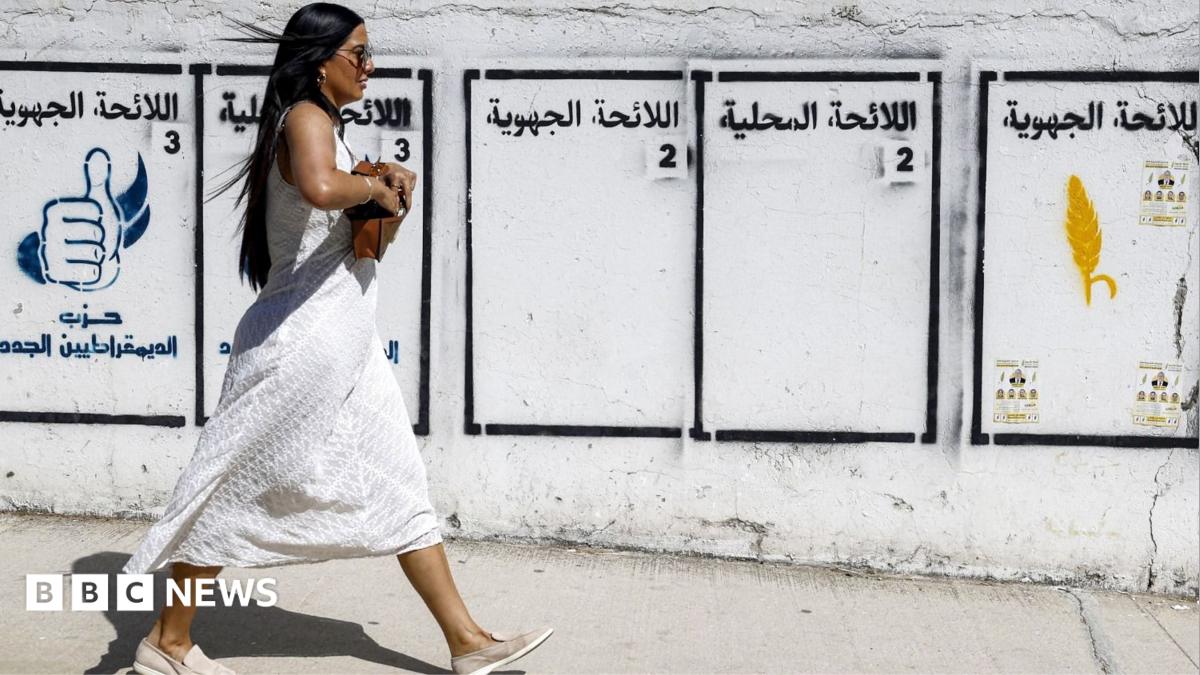
Morocco’s parliamentary election campaign has become a contest over youth unemployment, migration and diplomatic ties with Israel, with candidates using football slogans and promises of jobs to reach disillusioned voters.
The BBC reports that candidates from 27 parties are competing for 395 seats in the House of Representatives. The election will determine the next government, although executive power remains closely tied to the monarchy: King Mohammed VI appoints the prime minister and chairs the Council of Ministers.
The campaign follows Gen Z protests over unemployment, healthcare and living costs. More than 2,400 people reportedly faced prosecution after the unrest. Youth unemployment is cited at 37.3 per cent, while the National Rally of Independents has renewed a pledge to create one million job opportunities by 2031.
Migration has reinforced the focus on economic opportunity. The BBC reported that about 60,000 people, including Moroccans and people of other nationalities, crossed to the Spanish enclave of Ceuta in late July, with at least 100 deaths reported. The figures and circumstances require confirmation, but the episode has become a campaign reference point for candidates arguing that young people lack prospects at home.
Football has also become a political vehicle. Fouzi Lekjaa, head of Morocco’s football federation, has joined the Party of Authenticity and Modernity and is using slogans associated with the Atlas Lions’ 2022 World Cup campaign. The party is competing against Prime Minister Aziz Akhannouch’s RNI, while analysts have questioned whether the major parties offer materially different policy models.
The Islamist Justice and Development Party is campaigning to end Morocco’s diplomatic ties with Israel, which were normalised in December 2020 under the US-brokered Abraham Accords. The BBC reported that Morocco and Israel have since agreed to open full embassies, although the status and implementation of that agreement remain to be confirmed.