Morocco’s Budget Minister Joins PAM, Fueling Speculation Over 2030 World Cup Leadership
Analysts warn that the recruitment of senior officials by political parties risks undermining institutional democracy as the nation prepares for the 2030 FIFA World Cup.
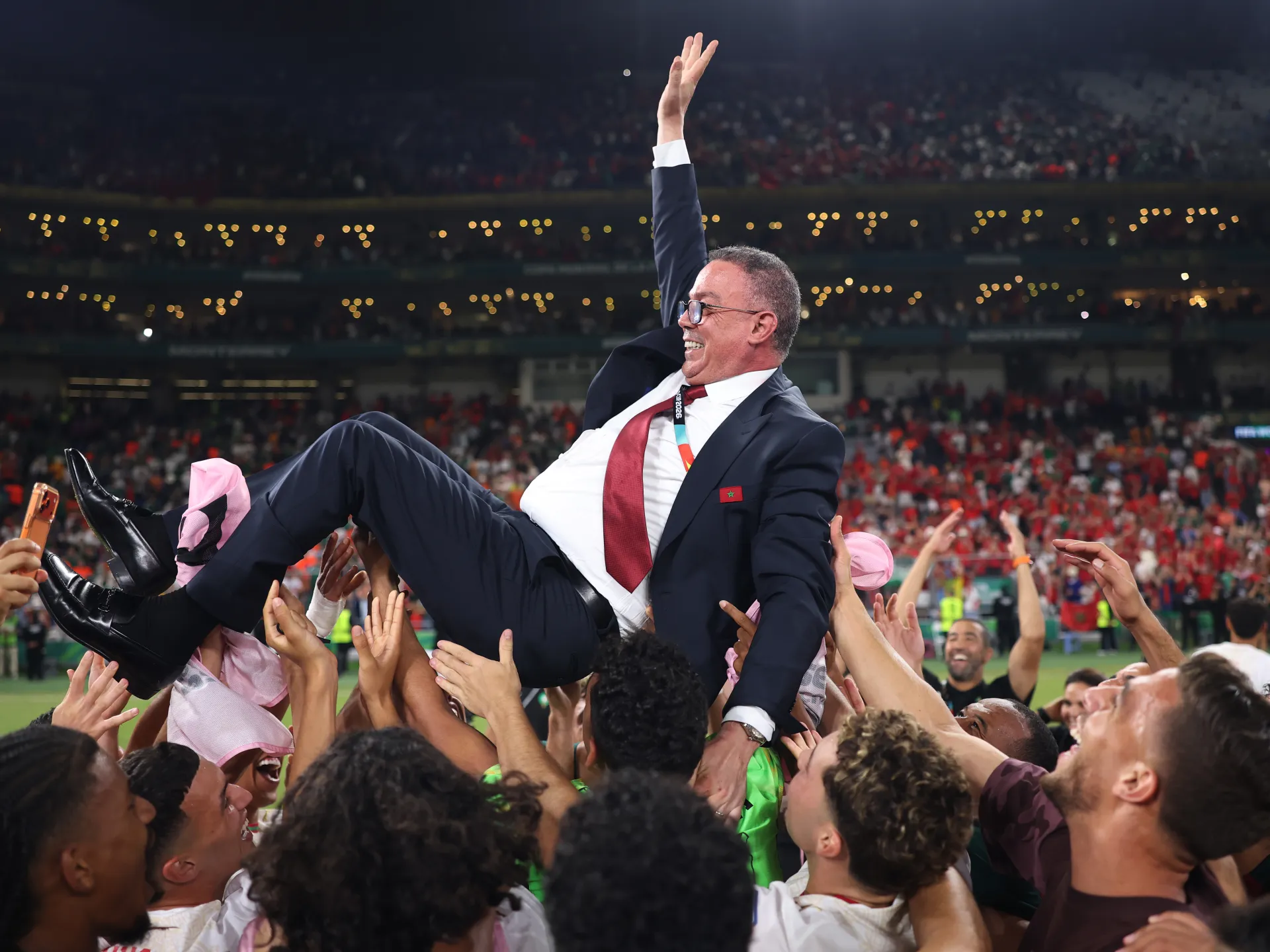
Fouzi Lekjaa, Morocco’s minister delegate for the budget and president of the Royal Moroccan Football Federation, has joined the Authenticity and Modernity Party (PAM), intensifying speculation regarding his potential appointment as prime minister ahead of the parliamentary elections on September 23. The move has shifted political discourse away from traditional ideological platforms, focusing instead on the intersection of administrative competence and national prestige in the lead-up to the vote.
Mustafa Ahdar, a constitutional law researcher at Ibn Zohr University, described the timing of Lekjaa’s entry into the party as politically significant, noting it occurred less than three months before the elections. While Ahdar acknowledged that the 2011 Constitution guarantees citizens the right to join political parties, he emphasised that Lekjaa’s dual role as a senior minister and football federation head distinguishes him from ordinary citizens entering the political fray. Former PAM secretary-general Abdellatif Ouahbi has publicly reaffirmed the constitutional principle of free association, yet the timing has raised questions about strategic positioning.
The incoming government is widely characterised as Morocco’s “World Cup government,” tasked with overseeing billions in infrastructure, transport, and tourism investments for the 2030 FIFA World Cup, co-hosted with Spain and Portugal. Nouh El Harmouzi, head of the Arab Center for Research, noted that few senior officials combine Lekjaa’s experience in public finance, institutional management, and strategic planning. This profile is viewed as a critical asset for an administration facing significant budgetary pressures while delivering one of the country’s largest modern projects.
However, the trend of recruiting influential outsiders has sparked debate about the health of party democracy. Ahdar argued that when parties recruit personalities who have built popularity outside traditional political structures, they risk abandoning their mission to cultivate future leaders from within. He drew parallels to Prime Minister Aziz Akhannouch, who also entered partisan politics after establishing himself outside traditional party ranks, suggesting that such moves may prioritise pragmatic political calculation over genuine ideological conviction.
The shift has also resonated with the Moroccan diaspora, particularly in France, where Lekjaa’s popularity is closely tied to the national team’s historic semi-final run in the 2022 FIFA World Cup. Technology expert Touria Guerraoui observed that this success has generated immense pride and heightened diaspora attention to the election. Yet, concerns remain whether the managerial efficiency demonstrated in football administration can be effectively translated into addressing domestic challenges such as unemployment, regional inequalities, and rising living costs.
Founded in 2008, PAM presents itself as a modernising force focused on institutional reform and economic modernisation, though it has faced corruption and abuse-of-office controversies involving some of its elected officials. With turnout exceeding 50 percent in the 2021 elections but nearly half of eligible voters abstaining, analysts suggest the current debate reflects broader scepticism towards political parties. The focus on Lekjaa’s arrival, rather than PAM’s political programme, illustrates a growing personification of politics where individual competence is increasingly valued over party platforms.