Morocco detains over 100 migrants in reinforced border security ahead of Ceuta crossing
Security forces intercepted more than 100 individuals attempting to reach the Spanish exclave, marking a significant escalation in border enforcement measures.
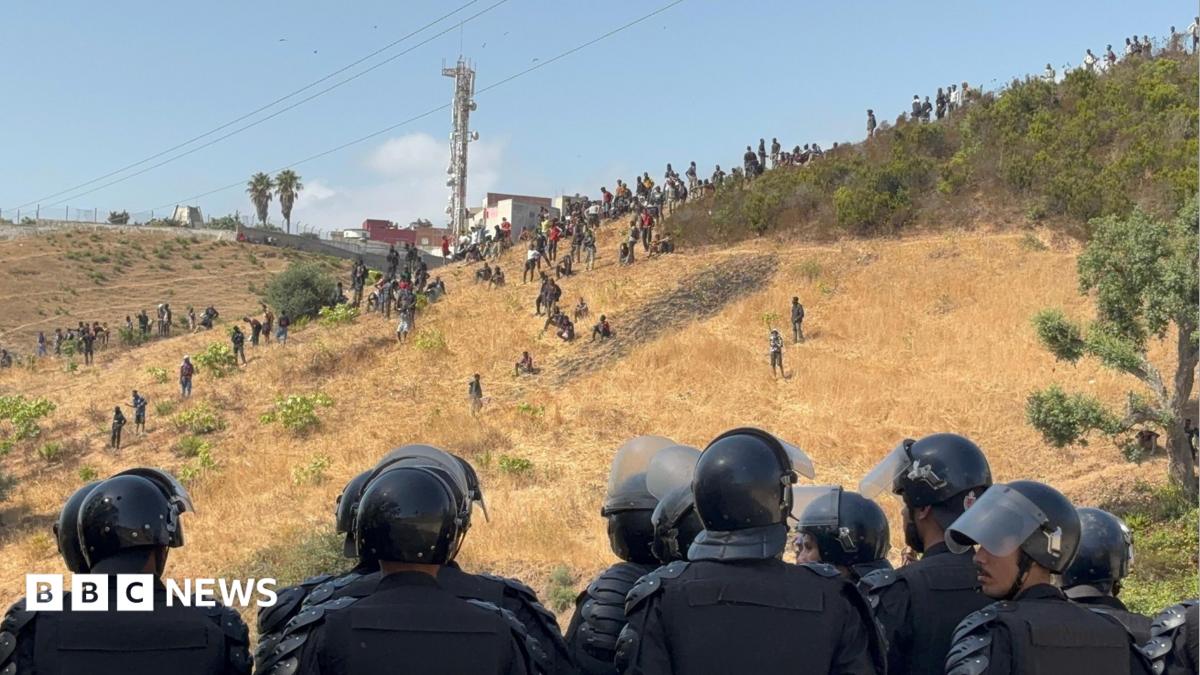
Moroccan authorities have intercepted and detained over 100 migrants attempting to cross into the Spanish exclave of Ceuta, reinforcing security measures in the wake of a significant diplomatic crisis. Security sources cited by Spanish media and Reuters confirmed that 111 individuals were detained in or around the border town of Fnideq, located approximately three kilometres from the border. The majority of those apprehended were reported to be from sub-Saharan Africa.
The operation involved a substantial deployment of state resources, including army officers, navy speedboats, and drones, alongside the use of tear gas by police in riot gear to disperse groups gathered on nearby hills. This intervention follows the installation of a metal fence and a floating barrier earlier in the week, with Spanish newspaper El País reporting that security at the breakwater entrance was ten times stronger than on the previous day.
Rabat has taken a firm stance against organised migration, warning that it would prosecute both organisers and participants of any mass crossing. Officials stated they were monitoring social media posts of unknown origin that called for a second mass crossing event this weekend. This follows a period of heightened tension after approximately 78,000 migrants arrived in Ceuta by sea in late July, an influx that resulted in 100 deaths according to the city’s mayor.
Spain has responded by deploying more than 1,500 security officers to patrol the area. Prime Minister Pedro Sánchez has attributed the crisis to traffickers, noting that Ceuta is not part of the Schengen area despite the external border pressures. However, the July event has triggered significant diplomatic friction within the European Union, with social media accounts identified as fuelling the crisis by providing paid advice for crossing attempts.
The diplomatic fallout has led to tangible policy shifts among member states. Italy suspended its Schengen arrangement with Spain, a move backed by Finland and Denmark. Meanwhile, the Czech Republic called for Spain’s temporary suspension from the Schengen zone, highlighting the deepening divisions over migration management and border control responsibilities within the bloc.