Modi retains education minister amid exam leak protests, defying pattern of accountability
The retention of Education Minister Dharmendra Pradhan follows a 12-year precedent where the Indian Prime Minister has consistently rejected calls to sack cabinet members involved in major controversies.
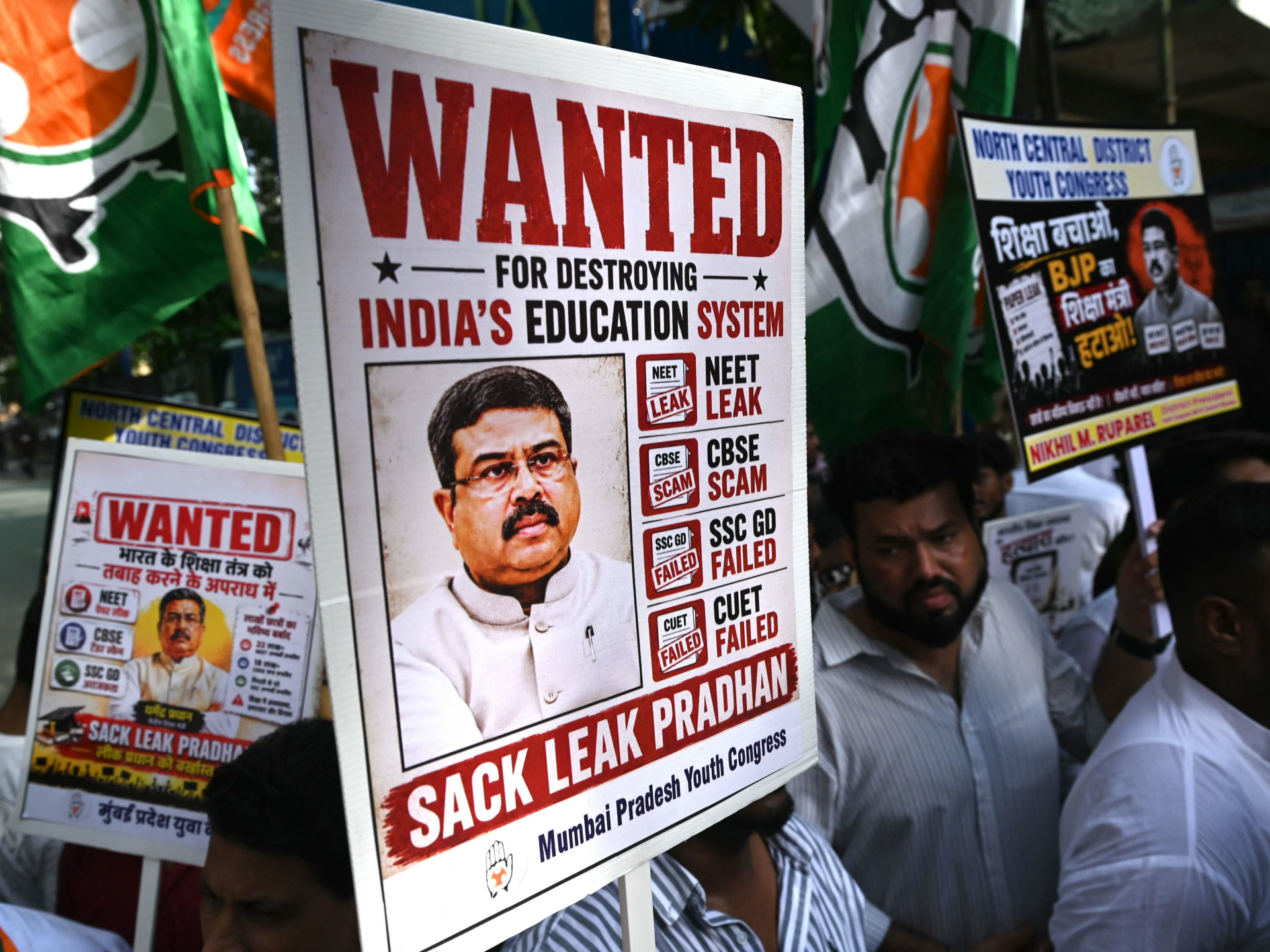
Thousands of supporters from the youth-led “cockroach” movement have maintained a camp in New Delhi for over a month, demanding the resignation of Education Minister Dharmendra Pradhan following a series of examination paper leaks. The Gen Z-led demonstrations, which have resulted in more than 100 people being severely wounded in police baton and tear gas attacks on Monday, represent the most significant public challenge to Prime Minister Narendra Modi’s rule in his third term.
India’s main opposition parties have joined the daily street protests and courted arrests to amplify the demand for Pradhan’s sacking. Despite widespread calls for accountability, Pradhan remains in office, a decision that aligns with a consistent pattern observed over the past 12 years of Modi’s governance, where the Prime Minister has repeatedly defied demands to remove ministers involved in major controversies.
This approach contrasts sharply with practices in other democracies, where unpopular ministers routinely resign or are sacked. The current administration’s stance mirrors historical precedents set under Modi, including the handling of the 2015 Dadri lynching, the 2016 Hyderabad student suicide, and the 2021 Lakhimpur Kheri violence, where ministers retained their positions despite intense public and political pressure.
In 2015, then-Culture and Tourism Minister Mahesh Sharma refused to resign following the lynching of Mohammad Akhlaq, describing the killing as an “accident” and later meeting with an accused’s family. Sharma remained in the cabinet until after Modi’s second term victory in 2019. Similarly, following the 2016 suicide of University of Hyderabad student Rohith Vemula, ministers Smriti Irani and Bandaru Dattatreya remained in the cabinet despite allegations that their correspondence influenced university decisions against Dalit students.
The retention of Junior Home Minister Ajay Mishra Teni after the 2021 Lakhimpur Kheri violence, where his son was accused of killing protesting farmers, further illustrates this governance style. Teni remained in office for three years until losing his election in 2024. Critics contrast this with the preceding Congress-led government, where ministers in key portfolios often resigned or were sacked in response to accountability demands. The only recent exception under Modi was Health Minister Harsh Vardhan, who resigned in 2021 during the second wave of the coronavirus pandemic.