MLB Labor Standoff: 1994 Strike Lessons Loom Over December Deadline
As the collective bargaining agreement expires on 1 December, ESPN columnist Dave Kurkjian draws parallels between the looming 2027 dispute and the historic 1994-95 lockout, highlighting risks from replacement players to fractured player solidarity.
Major League Baseball faces a significant labour dispute as the current collective bargaining agreement approaches its expiry on 1 December 2026. ESPN columnist Dave Kurkjian has published an analysis drawing direct parallels between the impending standoff and the 1994-95 strike, warning that a work stoppage could cause irreparable harm to the sport’s institutional integrity and fan engagement.
The core of the current dispute centres on owners’ demands for a salary cap. Kurkjian notes that if the players’ association does not agree to this condition, there is a substantial risk that the 2027 season could be canceled or significantly shortened. This scenario mirrors the events of September 1994, when the World Series was canceled on 14 September, an event then-commissioner Bud Selig described as terrible and horrible.
A primary lesson from 1994 involves the reputational damage inflicted by the use of replacement players. During the spring training of 1995, teams filled rosters with minor leaguers, former players, and independent league athletes. Kurkjian cites former managers Sparky Anderson and Buck Showalter, who expressed disgust at the spectacle, with Anderson boycotting the exercise entirely. The analysis suggests that attempting to pass off such lineups as big league quality baseball would insult fans and damage the game’s standing.
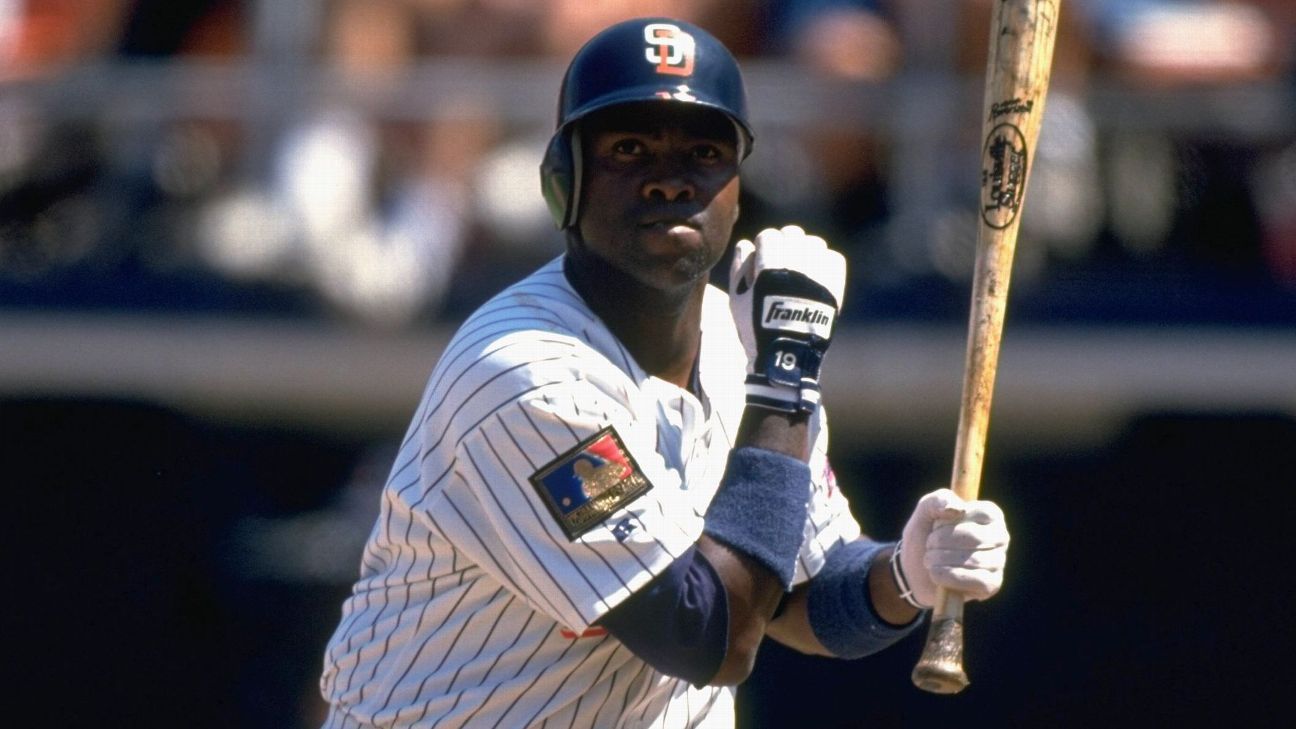
The impact on franchise legacies and player milestones is another critical concern. The 1994 strike ended the Montreal Expos’ momentum, with manager Felipe Alou later stating that the cancellation likely prevented the team from securing a new stadium. Similarly, Tony Gwynn missed a potential season where he was hitting .394, denying him a shot at the .400 batting average. In the current era, a canceled season could derail the career milestones of stars such as Aaron Judge, Shohei Ohtani, and Mike Trout, while also affecting the Tampa Bay Rays’ stadium negotiations following the 2027 season.
Unlike in 1994, minor league players are now unionised, which may allow spring training games to proceed even if major league play is suspended. Kurkjian points out that this structural change ensures that top prospects could still participate in events like Spring Breakout, avoiding the confusion and pressure faced by minor leaguers in the previous dispute. However, the analysis highlights a lack of the unified solidarity seen in 1994, where players like Cal Ripken Jr. and Orel Hershiser stood firmly together, a unity that is now harder to maintain in the age of social media and higher salaries.