Mini PCs face cooling and upgrade limits as AI drives up component costs
A new analysis suggests that the compact form factor of mini PCs creates inherent trade-offs in thermal management and repairability, complicating their value proposition against traditional desktops.
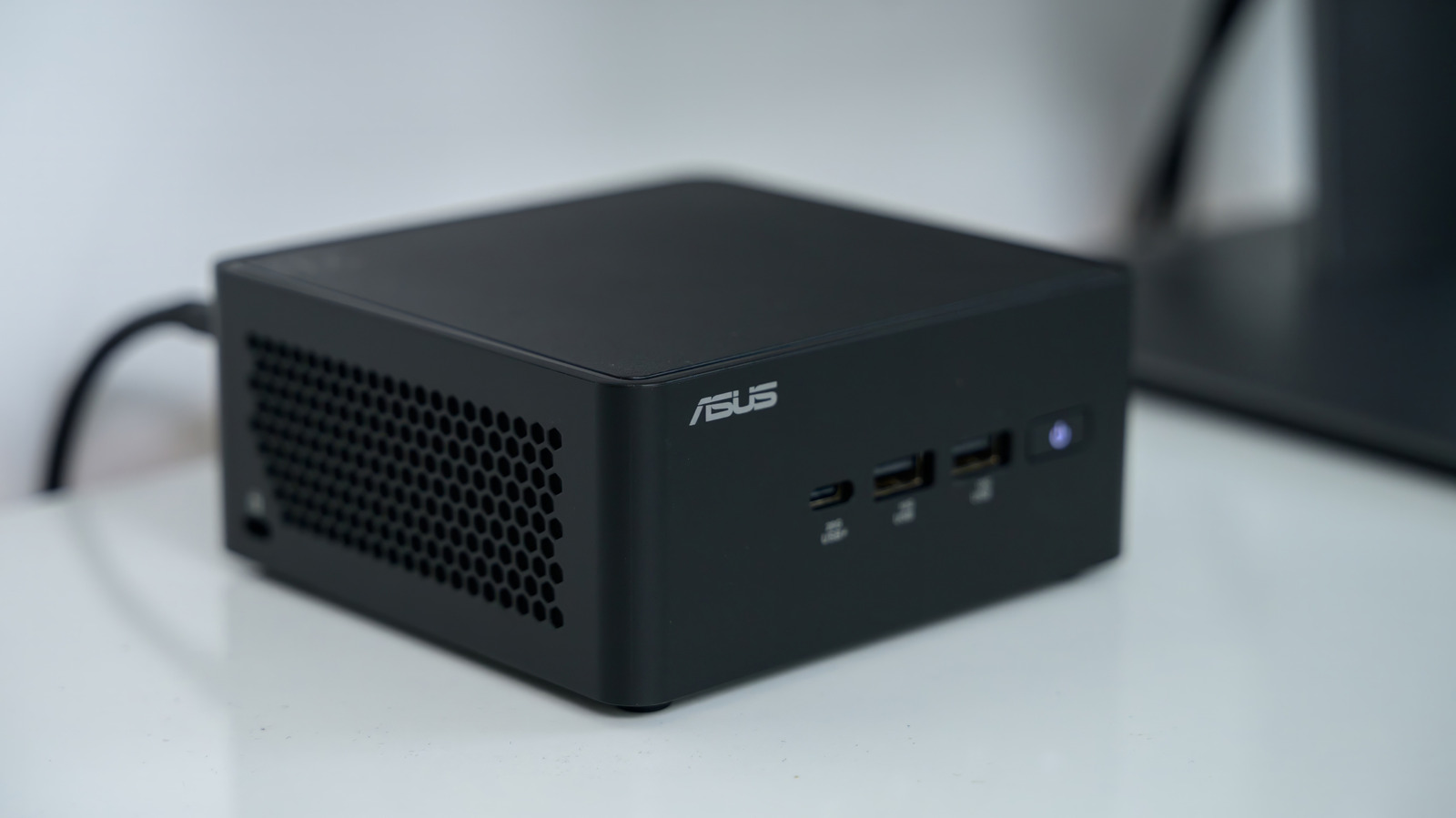
Engadget has published a detailed assessment of the limitations associated with mini PCs, arguing that their small physical footprint imposes significant constraints on cooling capacity and sustained power output. The article notes that while these devices have become a popular alternative to full-size desktops and laptops, their design prioritises size over the extensive air circulation required for high-performance components.
The core issue identified is the reliance on mobile-grade hardware, which often features soldered central processing units and graphics cards. This construction makes upgrades and repairs difficult, as users cannot easily swap out a motherboard or replace the CPU without specialised tools. In many models, even the memory and storage are soldered, eliminating the possibility of future expansion entirely.
For those models that do allow for upgrades, options are typically limited to swapping out solid-state drives or random access memory modules, which are smaller than those found in traditional desktops. The article highlights that external input and output ports are also restricted, though some mid-tier devices offer connections for external graphics cards via OCuLink or Thunderbolt, albeit with a performance penalty compared to integrated desktop solutions.
Thermal management remains a persistent challenge. The limited space inside a mini PC case restricts the size and number of fans, preventing the machine from dissipating heat as effectively as a larger desktop with liquid cooling or multiple fans. Consequently, high-end mini PCs can become very noisy under sustained heavy loads, a trade-off inherent to their compact design.
The financial implications are significant, particularly as artificial intelligence drives up the cost of RAM and SSDs. Engadget points out that high-end mini PCs, such as the Asus ROG NUC 16, can command prices as high as $4,999, yet may offer less performance and upgrade potential than a traditional desktop at the same price point. This rising cost structure makes the value proposition of mini PCs harder to justify for users seeking long-term reliability.
The article concludes that while mini PCs from brands like Geekom, Beelink, and Minisforum offer portability and lower power consumption, buyers must accept a compromise in longevity and repairability. For many, a traditional desktop or a laptop from a major manufacturer may provide a more robust warranty and better long-term value, especially as component prices continue to climb.