Military orders expand displacement zone in southern Lebanon despite ceasefire
Israeli forces mandate immediate relocation of residents in over 10 villages, prompting criticism that the US-brokered truce remains unimplemented
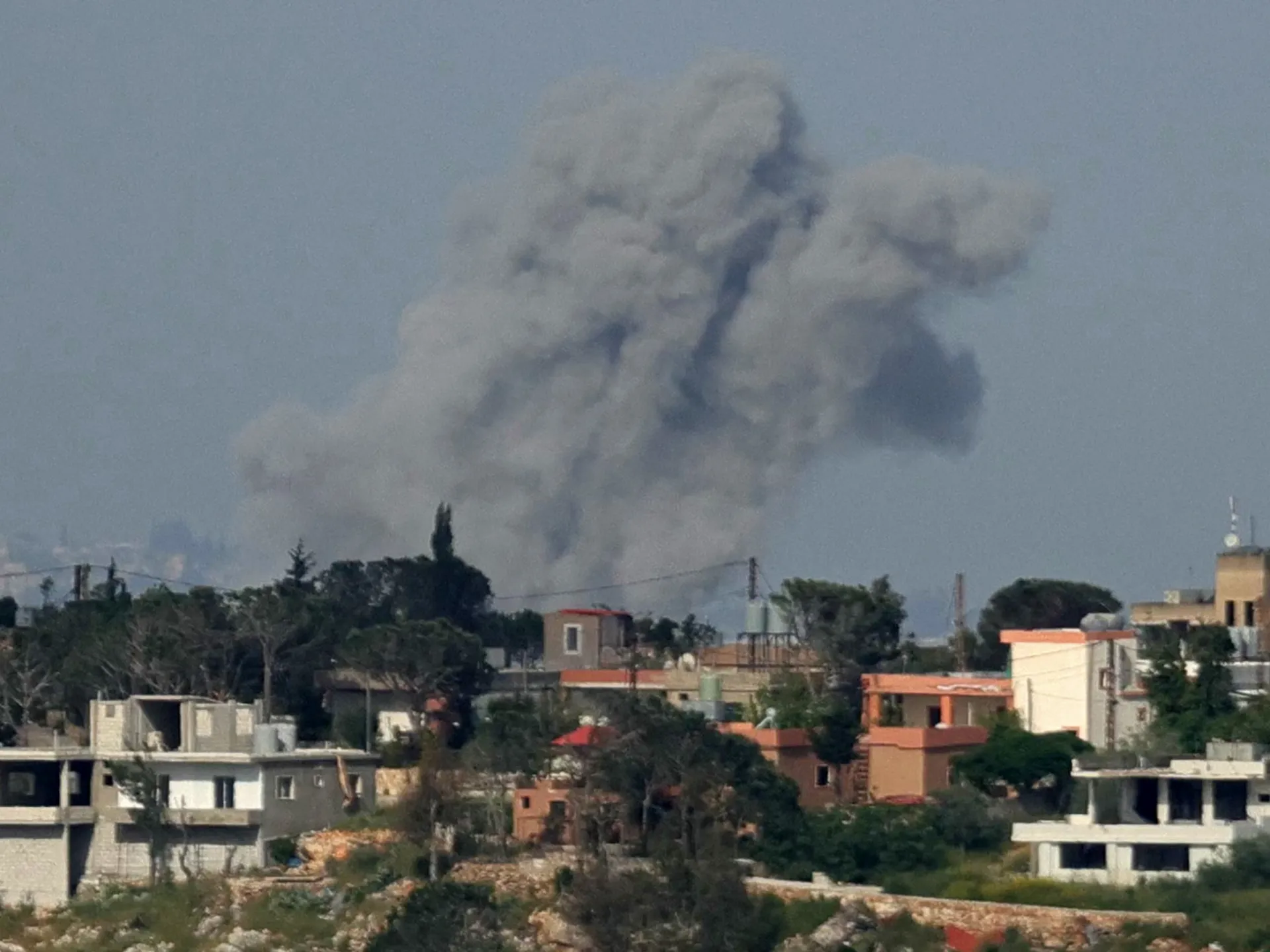
The Israeli military has issued fresh forced displacement orders affecting residents in more than 10 villages and towns across southern Lebanon. These directives require civilians to evacuate their homes immediately and relocate at least 1,000 metres into open areas. The scope of these orders extends beyond Israel's current zone of occupation and the so-called Yellow Line, specifically targeting locations in the Nabatieh district that lie north of the Litani River.
This escalation occurs in direct contradiction to a United States-brokered ceasefire that has been in force since 17 April. While the truce was intended to halt fighting between Israel and Hezbollah, the new warnings cover areas where Israeli forces have not previously issued such mandates. Avichay Adraee, an Arabic-language spokesman for the Israeli military, posted the evacuation notice on X, instructing residents to move away from their villages for their safety.
Lebanon's state-run National News Agency reported that Israeli strikes have simultaneously targeted towns not explicitly listed in the displacement orders. This pattern of action aligns with earlier statements from Israel's military chief of staff, Eyal Zamir, who threatened to eliminate threats against Israeli communities and forces beyond the Yellow Line and north of the Litani River.
The widening of operational areas has drawn sharp criticism from Lebanese leadership. President Joseph Aoun has stated that Israel must fully implement the ceasefire before direct peace negotiations can commence, despite calls from the United States to initiate talks. Rory Challands of Al Jazeera, reporting from Beirut, noted that while the ceasefire exists only in name, Israel maintains five divisions in the south and continues extensive bombing and home demolitions.
Recent violence in the region has resulted in significant casualties. Drone attacks in the area have killed two Israeli soldiers and an army contractor, with dozens of soldiers wounded. Meanwhile, Lebanon's Ministry of Public Health reported at least 10 deaths in Israeli attacks across the country on Saturday. This brings the total death toll since the escalation on 3 March to 2,659, with 8,183 people injured.
The collective expansion of these evacuation orders indicates a broadening of Israel's area of operations, a development that undermines the stability of the fragile truce. With three of the newly targeted towns receiving such orders for the first time, the situation remains volatile as the United States seeks to broker a path toward direct negotiations.