Miliband urges UK to pursue ‘higher dosage’ EU reset amid calls for national consensus
David Miliband, now president of the International Rescue Committee, says security and prosperity depend on institutionalised ties with Europe, while highlighting shifting domestic priorities.
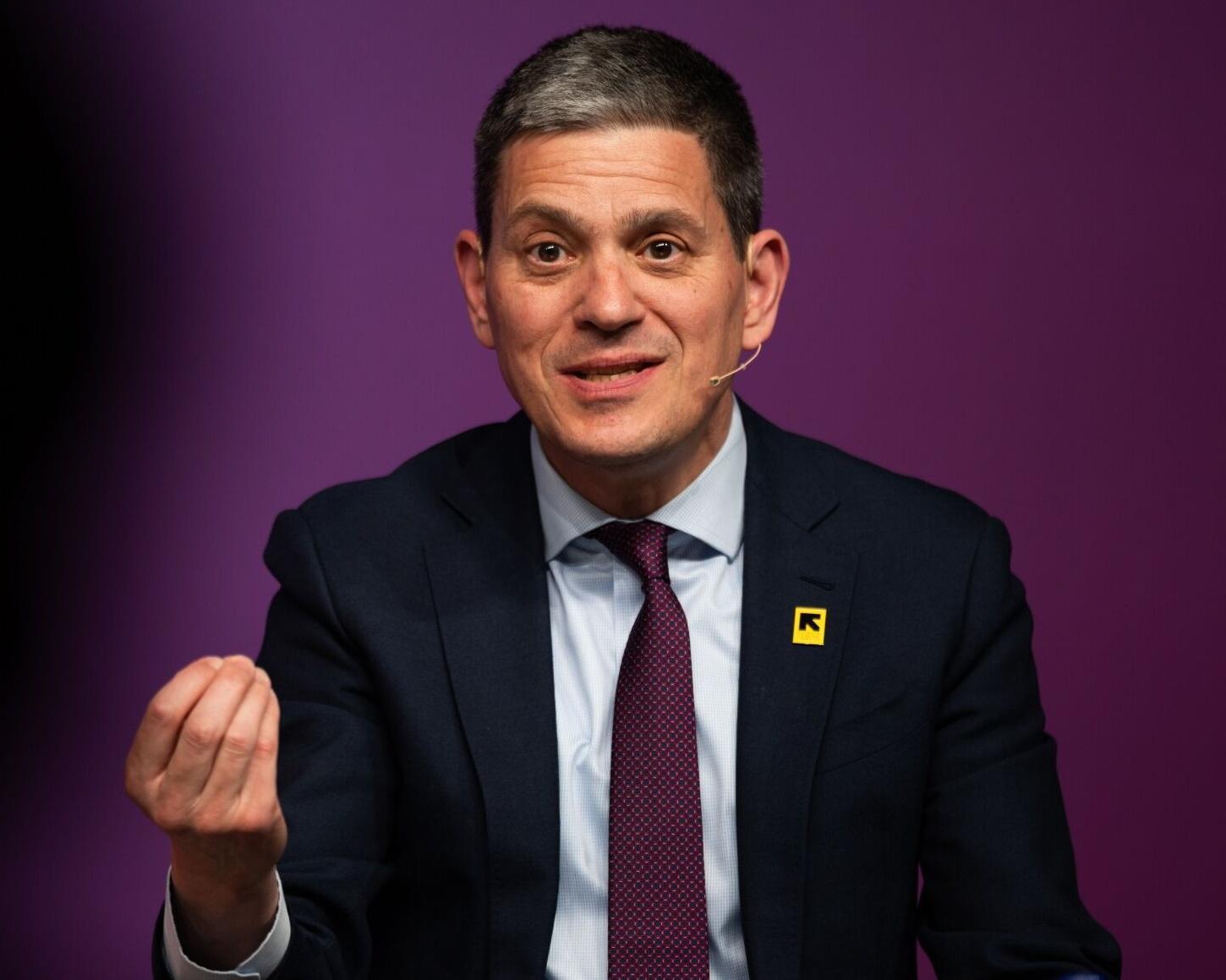
Former UK foreign secretary David Miliband has called for a “national consensus” on the United Kingdom’s relationship with the European Union, urging the government to pursue a deeper reset of relations than currently planned. Speaking on BBC Radio 4’s Today programme, Miliband criticised the government’s current EU strategy as insufficient, noting that the proposed £9bn reset by 2040 is negligible compared to the UK’s £3tn economy.
Miliband, who now serves as president of the International Rescue Committee, argued that the UK requires a “much higher dosage” of engagement with Europe. He stated he was “absolutely convinced” that the nation’s security and prosperity depend on establishing an “institutionalised, deep and strong relationship” with the rest of the continent.
The comments followed revelations that UK officials have pitched the creation of a single market for goods with the EU to the bloc. While Miliband welcomed the government’s stated desire for a reset, he emphasised that the political landscape has changed fundamentally in the two years since the last general election, necessitating a more robust approach to institutional ties.
Addressing the prospect of rejoining the EU, Miliband described it as a long-term goal but acknowledged that the pre-2016 deal is no longer available. He noted that the EU landscape has shifted significantly, with Ukraine’s potential membership and the introduction of associate tiers becoming central issues for Brussels, rather than British accession.
Beyond foreign policy, Miliband highlighted urgent domestic challenges, including the need to shift welfare focus from older people to investment in younger demographics. He pointed out that one million people aged 16 to 24 are not in education or training, suggesting that wealth creation and fair distribution must become the primary focus of government debate rather than leadership speculation.