UKRI to withdraw funding for Jodrell Bank Observatory by 2028
The decision threatens 28 jobs and impacts nearly 3,000 researchers, drawing sharp criticism from leading astronomers who warn of a devastating blow to UK deep space capabilities.
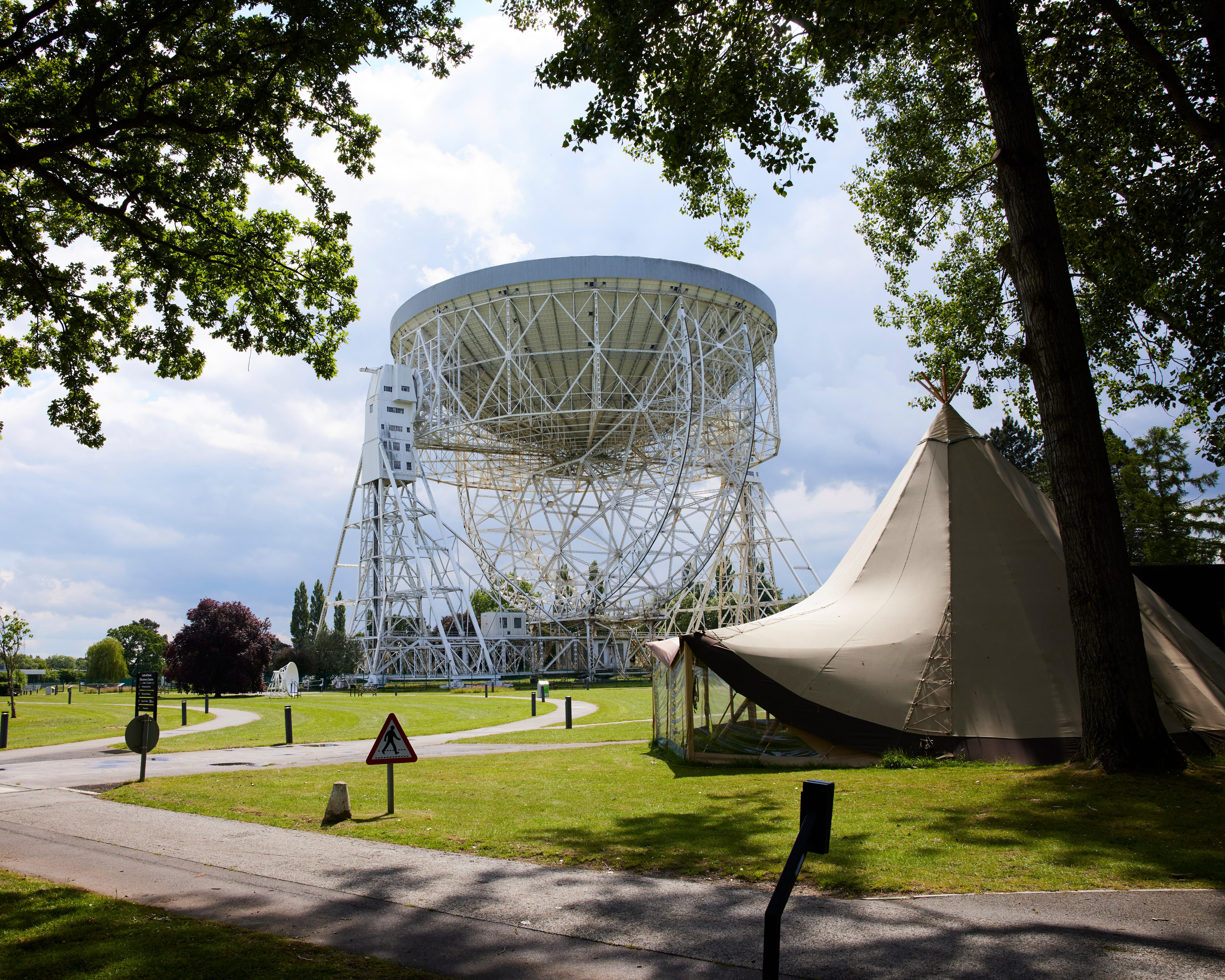
UK Research and Innovation (UKRI) has confirmed it will cease funding for the e-Merlin radio astronomy network at Jodrell Bank Observatory when the current agreement expires in March 2028. The move, driven by the Science and Technology Facilities Council (STFC) to address significant cost overruns and rising projected expenses, places the future of the Grade I-listed Lovell telescope in jeopardy.
The STFC stated that the withdrawal is the result of a comprehensive, evidence-based prioritisation process designed to deliver long-term scientific capability and value for the UK. A spokesperson for the council indicated that investment would instead be redirected toward the next generation of world-leading radio astronomy facilities, arguing that the decision was necessary to ensure the greatest impact within a constrained budget.
Jodrell Bank Observatory serves as a critical hub for deep space research, supporting studies into galaxies, black holes, star formation, exoplanets, and the cosmic microwave background. The facility hosts the e-Merlin network, which constitutes the UK’s national radio astronomy infrastructure. Scientists have warned that without alternative funding, observations at the site are due to end completely, effectively halting decades of discovery science.
The financial restructuring threatens 28 jobs at the observatory and affects nearly 3,000 researchers who utilise the facility. Prof Simon Garrington, associate director of Jodrell Bank Observatory, told BBC News that staff were devastated by the decision, highlighting the immediate operational uncertainty facing the institution.
Prof Catherine Heymans, Scotland’s astronomer royal, described the cut as devastating for a facility that has delivered spectacular discovery science for decades. With UKRI managing an annual budget of nearly £10bn, the STFC’s need for severe cuts underscores the broader financial pressures within the UK’s science funding landscape, leaving the observatory’s post-2028 status uncertain.