Mexico to debut first blind women’s football squad at Copa America
Founded in 2020, the team represents one of only six women’s blind football clubs in Mexico, navigating a landscape where the sport remains excluded from the Paralympic Games.
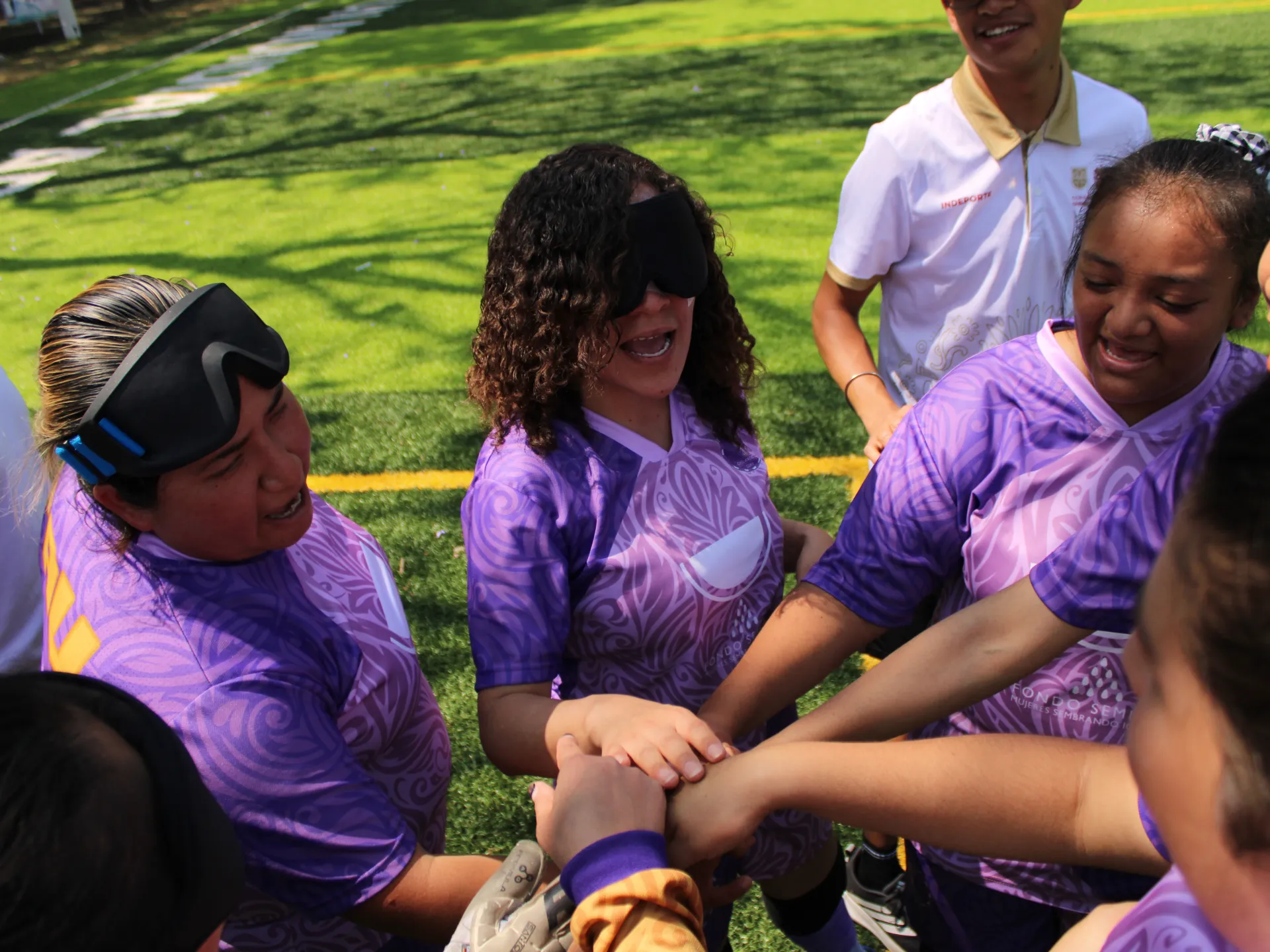
Mexico is set to field its first-ever blind women’s football team at the Women’s Blind Football American Championship, commonly known as the Copa America, in Brazil next month. The Chilangas FC, established by coach Wendy del Rio in 2020, will compete in the tournament scheduled for September 2026, marking a significant milestone for women’s disability sport in the country. The squad represents one of only six such teams operating in Mexico, highlighting the nascent state of the women’s game compared to its male counterpart.
The team’s formation addresses a long-standing gap in the national sporting infrastructure. Del Rio, who previously spent seven years working with Mexico City’s blind men’s football team, noted that female athletes frequently approached her after training sessions seeking opportunities to play. With no existing space for women, she founded the Chilangas FC to provide a dedicated environment. Despite the enthusiasm of players, the club operates without institutional funding, paid staff, or a dedicated pitch, relying instead on negotiations with Mexico City’s Women’s Secretariat for access to suitable enclosed courts required for the sport.
Blind football, which traces its origins to 1920s Spain, was incorporated into the International Blind Sports Federation in 1996. While the men’s version debuted at the Paralympic Games in 2004, the women’s game remains in its infancy and is not yet part of the Paralympic programme. This exclusion has limited global funding and development for female players. The sport relies on auditory cues, with a ball containing metal clappers and players using sound from walls to navigate the field, requiring strict silence from spectators during matches.
Key players such as Paulina Hernandez, a 31-year-old massage therapist and mother, and Alexandra Ramirez, a 20-year-old student, cite significant social and logistical barriers. Hernandez, who became totally blind four years ago after a diagnosis of retinitis pigmentosa, previously played goalball but sought the specific challenges of football. Efrain Mora Garcia, president of the Mexican Federation of Sports for the Blind and Visually Impaired, noted that cultural expectations often discourage women from contact sports and place a disproportionate burden of domestic care on them, with government estimates suggesting women spend nearly 40 hours per week on housework.
Despite these challenges, the team is preparing for the international stage with determination. The squad has been conducting scrimmages to refine their strategy, relying on trust and communication rather than sight. Players express a desire to inspire other women with visual impairments and challenge societal presumptions about their capabilities. The upcoming tournament in Brazil will serve as their debut on the international circuit, offering a platform to demonstrate the viability and growing presence of women’s blind football in Mexico.