Mexican cartels establish local meth production hubs across South Africa
Raids in North West, Limpopo, and Mpumalanga provinces uncover multiple laboratories linked to Mexican criminal networks, prompting warnings from US officials and a commission of inquiry into law enforcement integrity.
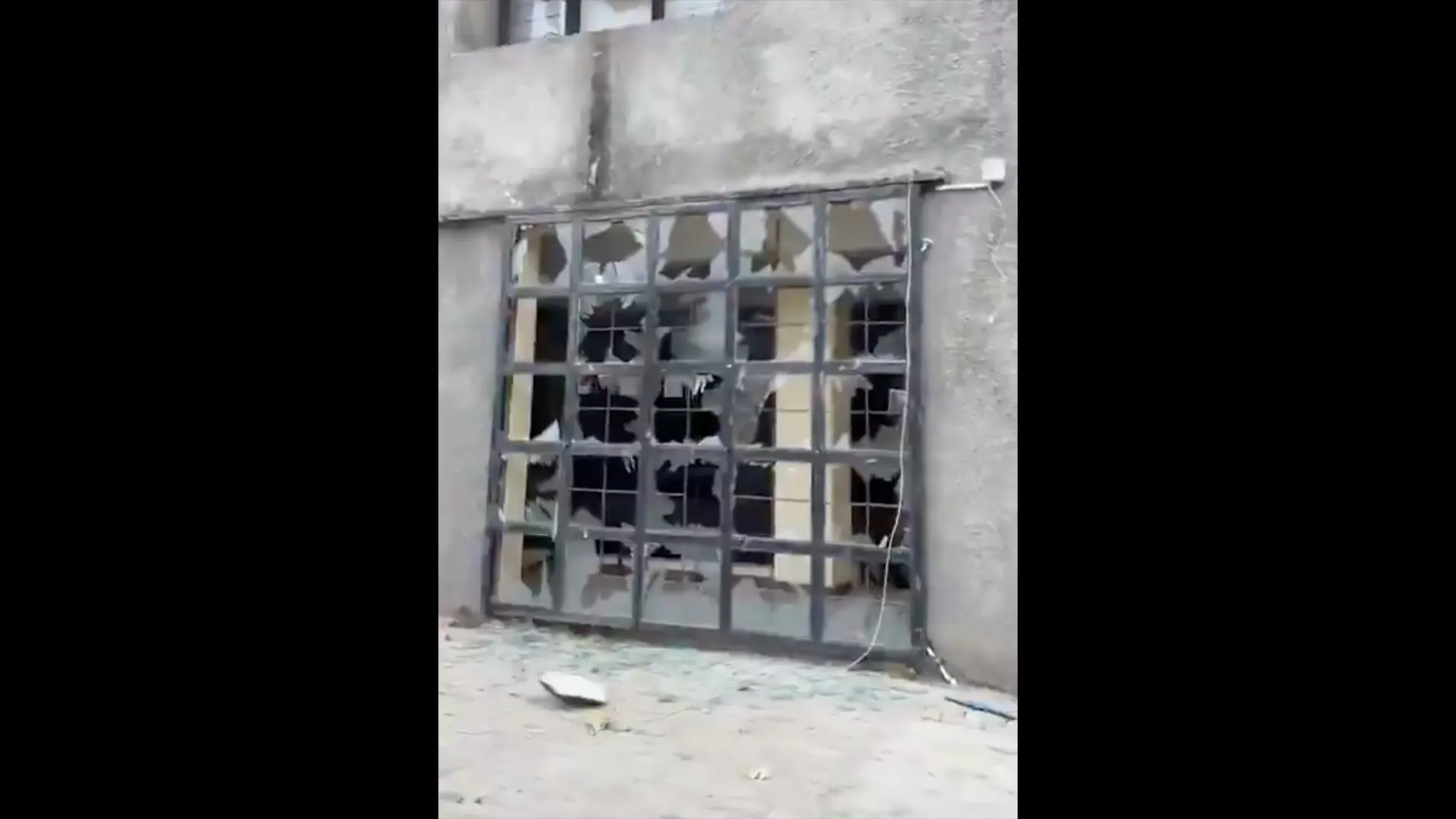
Raids on remote farms in South Africa have uncovered multiple methamphetamine laboratories linked to Mexican criminal networks, marking a strategic shift from importing drugs to local production. Recent operations in the North West, Limpopo, and Mpumalanga provinces have resulted in the seizure of significant quantities of meth and the arrest of Mexican nationals alongside local collaborators. Experts attribute this expansion to lower transport costs, reduced border exposure, and alleged corruption within South African law enforcement that facilitates undetected operations.
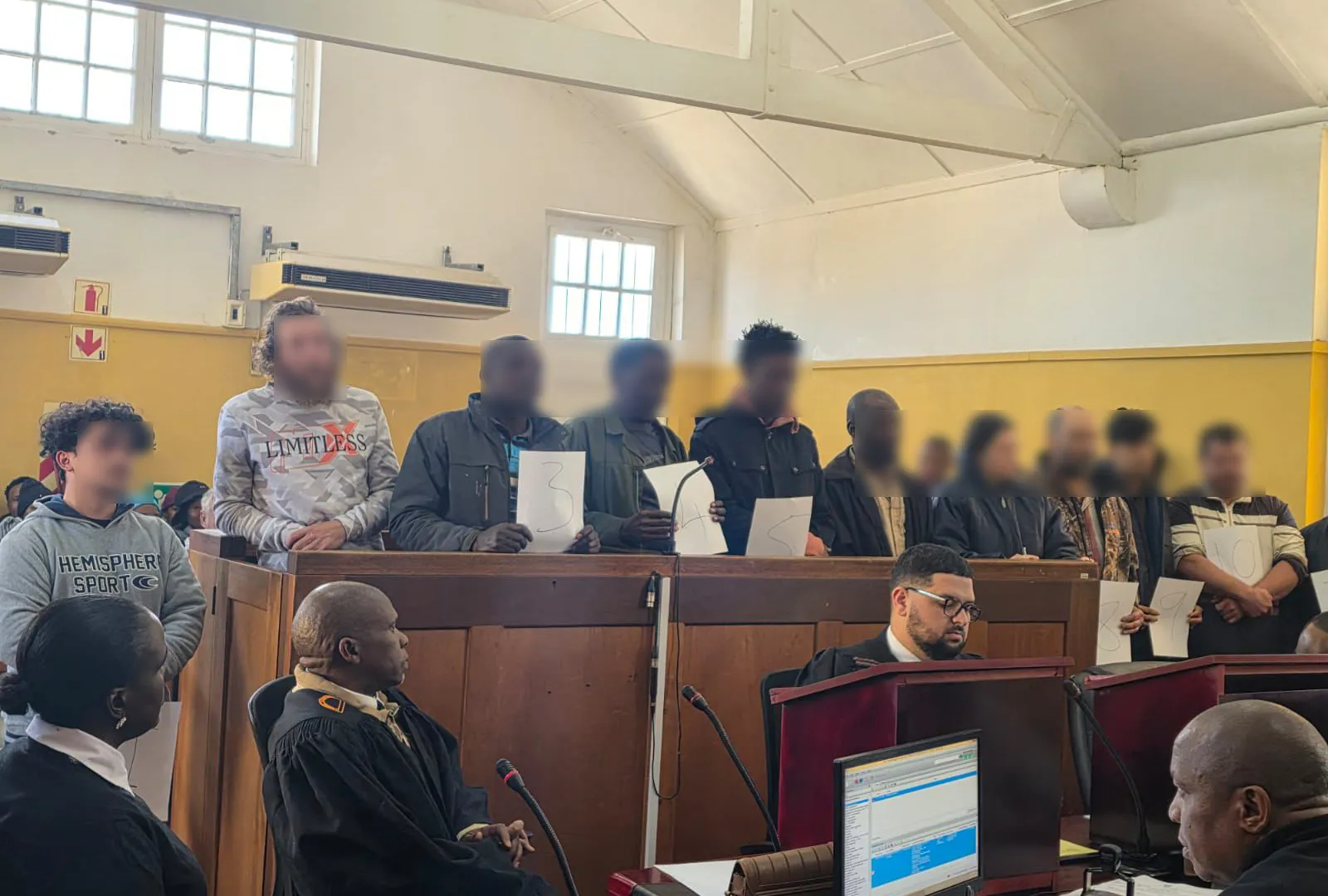
The Swartruggens case involves five Mexican nationals accused of operating a lab worth approximately one billion rand ($60m), with bail proceedings currently underway. The suspects, identified as Fabian Astorga, Jesus Alonso Medina Astorga, Luis Alberto Ramirez Rios, Jose Andres Medina, and Jacquelin Lopez Madrid, were arrested following a May raid in the North West province where police seized 481 kilos of methamphetamine, chemical containers, and firearms. This is the fourth major meth site linked to Mexican criminals uncovered in South Africa in two years. Previous sites included a facility near Groblersdal in Limpopo, valued at $105–110 million in 2024, a lab near Tshwane, and arrests in Mpumalanga.
Organised crime researcher Julian Rademeyer described the model as a deliberate strategy where Mexican drug cartels franchise operations, moving chemists into remote rural areas. The logic is straightforward: produce closer to consumers, cut transport costs, and reduce exposure to border and maritime enforcement. Mexican-linked networks in Africa did not begin in South Africa; researchers trace early activity back to Nigeria around 2016, before spreading through East Africa, Mozambique, and Botswana.
Crime expert Willem Els noted that while demand for cheaper stimulants drives the market, the main reason for local manufacturing is the protection afforded by corrupt police and politicians. A separate commission of inquiry into law enforcement has heard testimony alleging deep corruption, including missing drug consignments and suspected inside involvement in major cases. One case under scrutiny involves 541 kilos of cocaine seized in 2021 and later stolen from a police facility, in what investigators believe was an inside job.
Former Interpol ambassador Andy Mashiale stated that corruption plays a significant role, as officers deployed to rural areas are often aware of suspicious activity but fail to act. US Africa Command officials have warned that Mexican cartels are now producing drugs on the African continent, not just moving them through. The US Drug Enforcement Administration (DEA) has provided intelligence linking some suspects to the Sinaloa Cartel. Without deeper reform, analysts warn, the pattern is likely to continue, presenting a challenge of institutional capacity rather than just border control.