Meta's AI arm Manus launches undisclosed 'get-rich-quick' influencer campaign promising $5,000 monthly earnings
Manus, acquired by Meta for $2 billion, deployed a network of accounts to sell AI-generated websites while failing to label the paid partnerships, violating platform policies and potentially breaching advertising laws.
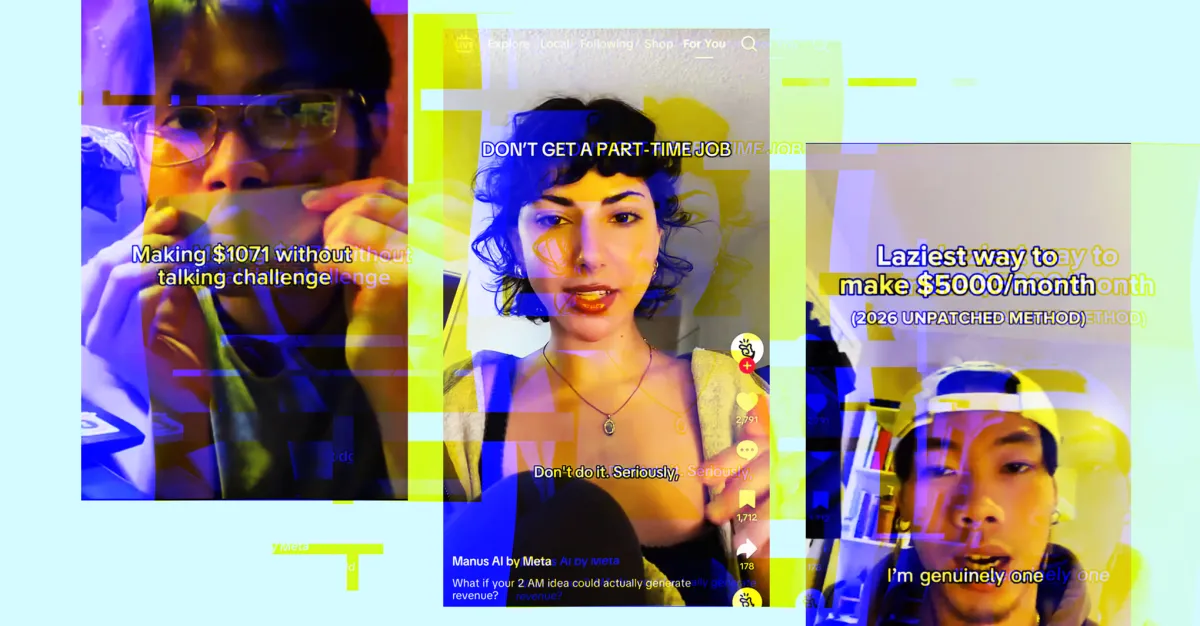
Meta's acquired AI subsidiary, Manus, has launched a marketing campaign that pays third-party creators to promote its tools as an easy side hustle capable of generating up to $5,000 per month. The initiative targeted TikTok, Instagram and YouTube, utilising accounts that frequently failed to disclose their paid partnerships with the company. This lack of transparency violates platform advertising policies and potentially breaches advertising laws in the UK, EU and US.
While Manus confirmed it works with external agency partners for user-generated content, it declined to clarify Meta's specific involvement in the program or provide evidence supporting the earnings claims made in the promotional videos. The campaign encouraged creators to tell viewers not to get a part-time job, instead suggesting they build websites for local businesses using Manus AI and then sell them.
A network of accounts, mostly run by creators in their late teens or early 20s, posted near-identical content hyping the scheme with phrases such as 'don't get a part-time job' and 'no limit' to earnings. Some of these accounts were taken down after inquiries were raised by The Verge, while others remain active but lack disclosure in their bios or posts. Several promotional accounts have since been removed or banned by platforms following these inquiries.
Manus spokesperson Ronghui Li stated that responsibility for disclosure lies with the creators themselves, though he claimed Manus does not endorse exaggerated earnings claims and is reviewing the flagged content. However, he did not specify if the review covers the entire program or provide evidence for the income figures cited in the videos. Legal experts from the UK, including Fieldfisher and the University of Essex, noted that undisclosed commercial relationships likely breach advertising laws in the UK, EU and US.
Meta, YouTube and TikTok all require clear disclosure of paid promotions, with TikTok having since removed many of the hype videos and banned associated accounts. Legal experts warned that vague brand-adjacent language is insufficient for disclosure and that earnings claims are riskier than simple omissions, given tight rules on misleading consumers in the UK. The same broad principles are noted to apply elsewhere, including in the EU and US.
Meta owned Manus throughout the campaign described here and had reportedly already begun integrating the startup and its systems. The parent company now faces the prospect of having to unwind the deal after Chinese regulators blocked it, even as the company insists it complied with relevant laws and says it expects to reach a resolution with Beijing.