Meta pauses AI restructuring plan as productivity gains lag
The tech giant has reportedly scaled back its "Project OT" initiative after internal data revealed that AI agents had not yet delivered the expected efficiency, prompting a pause on a second wave of layoffs.
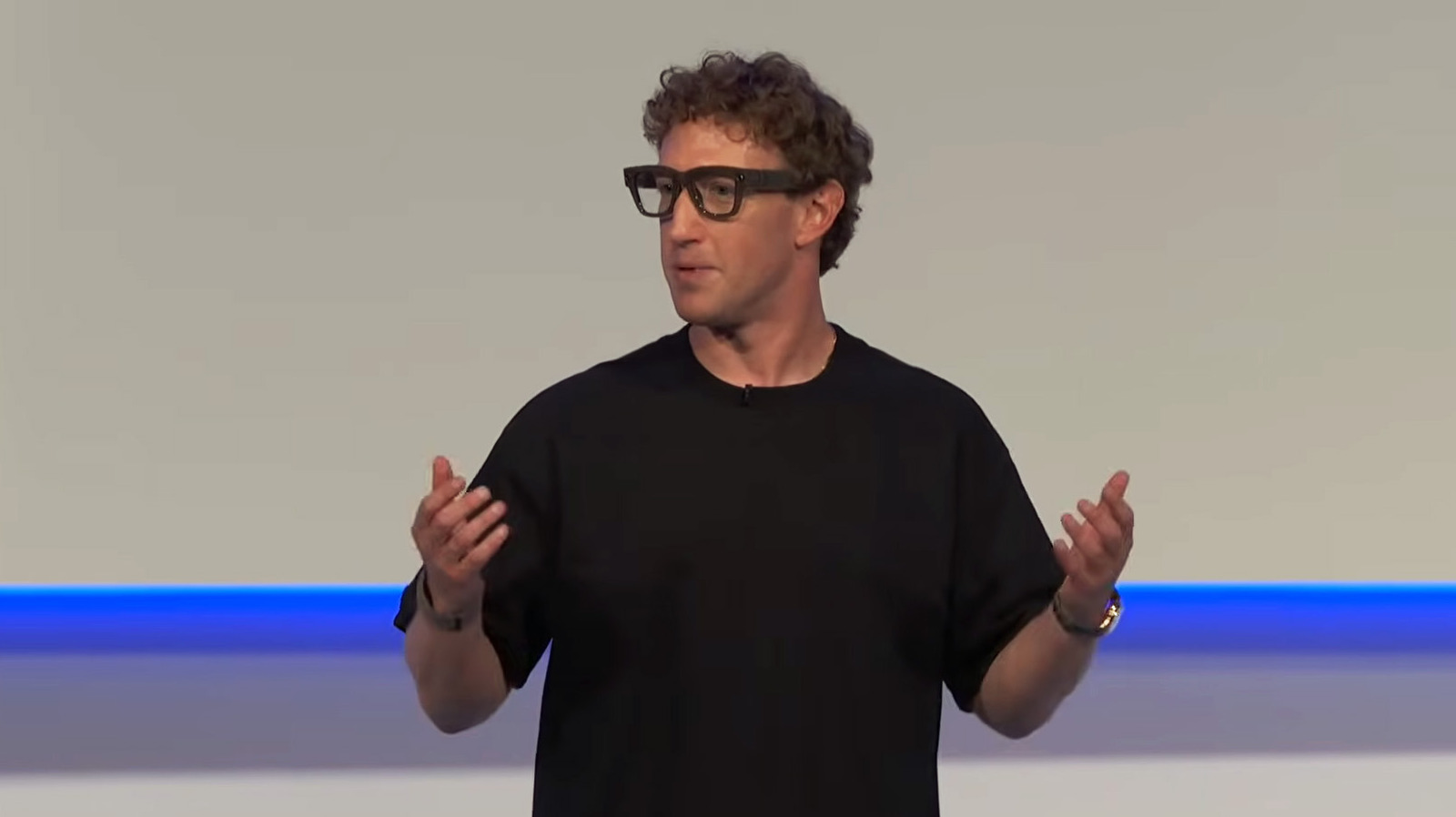
Meta has reportedly paused the second wave of layoffs under its AI-focused restructuring initiative, codenamed Project OT. The plan, which aimed to replace human roles with AI agents and reduce headcounts by up to 60 percent in some teams, was scaled back following slower-than-expected productivity gains and significant employee backlash against internal tracking software.
According to reports from Reuters, the initiative was influenced by startups that had structured their operations around AI. At a leadership retreat in January, executives outlined an "AI native" vision where AI agents would be overseen by smaller "pods" of human employees. The original plan included a second wave of layoffs scheduled for November, a move one HR executive projected would be at least as large as the company’s 25 percent workforce reduction in 2023.
Internal data appears to have played a decisive role in the decision to scale back. While code changes to Meta’s AI platforms increased by 220 percent year-over-year, new or improved features reaching users rose by only 36 percent. Compounding the issue, technical and security incidents rose by 40 percent, and the time employees spent resolving these problems increased by 70 percent.
CEO Mark Zuckerberg acknowledged the gap between expectation and reality at a July town hall. He admitted that the "trajectory of the agentic development" had not accelerated as expected and that the company’s investments had not yet "come to fruition." This admission came amid growing internal friction over tracking software installed on US-based computers, which captured mouse movements and keystrokes to train AI agents.
The installation of the tracking software led to a 19-point drop in employee sentiment scores and a surge in complaints on internal communication networks. The combination of weaker-than-expected AI results and worker backlash likely contributed to the decision to pause the November layoffs, although Reuters notes that the broader Project OT plan has not necessarily been abandoned.
Meta continues to spend heavily on AI infrastructure and maintains smaller AI-assisted teams in parts of the organisation. However, with investors questioning when these substantial investments will yield tangible financial returns, the company faces pressure to demonstrate concrete gains from its AI strategy.