Meta bans harassment content filmed with smart glasses amid privacy backlash
The tech giant is developing technical measures to disable cameras upon detection of tampering, though enforcement challenges and policy ambiguities remain unresolved.
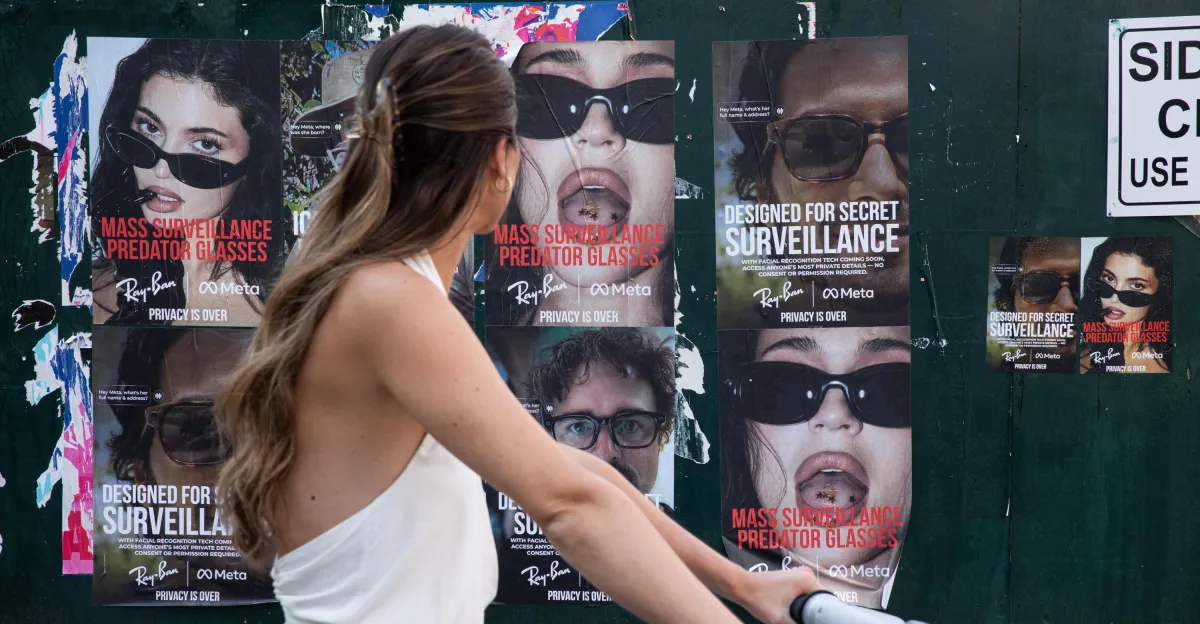
Meta has announced it is banning specific content filmed using its smart glasses from Instagram, a move driven by significant public backlash regarding privacy concerns and harassment. Instagram head Adam Mosseri clarified that videos involving harassment, such as "pickup line" tactics, would be removed from the platform. The decision follows reports from Business Insider on Thursday, which detailed the company’s intention to restrict such material from its social network.
The smart glasses have faced intense criticism, with critics describing them as "pervert glasses" due to their potential for surreptitious filming. Mosseri stated that content "taking advantage of people and harassing them" would be targeted, noting that the company is trying to "fight that every way we can." This includes efforts to disable cameras on the devices when tampering is detected, according to Meta spokesperson Albert Aydin.
Aydin confirmed that the company is working on disabling cameras when tampering is detected and will remove content from associated accounts. However, he did not provide The Verge with a copy of the actual policy. Aydin also declined to answer specific questions regarding whether a person filmed without consent could appeal to Meta to have the content removed, stating only that the firm is fighting surreptitious filming and LED tampering.
The rise of short-form video has normalised "man-on-the-street" content, where creators film strangers in public spaces for engagement and monetisation. This trend has created a complex environment where it is difficult to distinguish between benign content, such as "day in the life" vlogs, and harassment. Existing privacy norms in public spaces mean individuals have little expectation of privacy, complicating enforcement efforts for platforms like Instagram.
Enforcement challenges remain significant given the ambiguities in defining harassment. It is unclear how Meta intends to police grey areas, such as filming women at a gym without approaching them, or whether the ban targets the device or the behaviour itself. Similar harassment tactics existed prior to smart glasses, raising questions about the efficacy of a device-specific ban in addressing broader conduct issues.