Memory foam ear tips offer low-cost upgrade for wireless audio performance
Replacing standard silicone tips with memory foam alternatives can enhance bass response and noise isolation for a fraction of the cost of new earbuds.
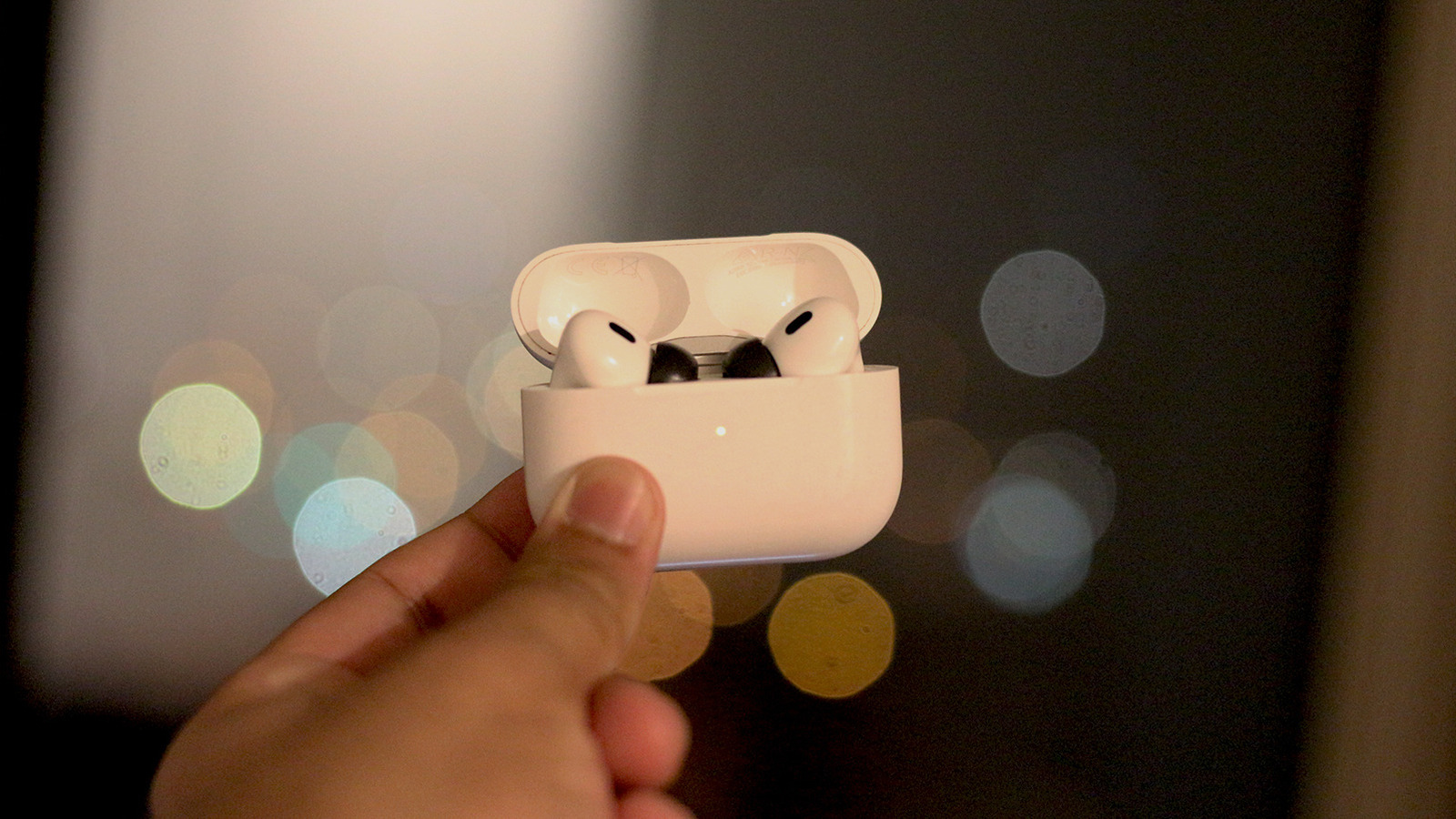
The global surge in truly wireless earbuds, accelerated by Apple’s removal of the 3.5mm headphone jack in 2016, has made comfort and fit critical differentiators for consumers. While most high-end devices now feature active noise cancellation and lossless audio codecs, the standard silicone ear tips included with these products often fail to accommodate the vast diversity of human ear shapes. A multi-ethnic study involving more than 1,400 participants confirmed that the human ear is a reliable biometric identifier, highlighting why a one-size-fits-all approach to ear tips can lead to suboptimal sound quality and poor fit.
Unlike over-ear headphones that create a broad seal around the ear, in-ear devices rely almost entirely on the ear tips to form a proper acoustic barrier. When silicone tips do not fit securely, sound leaks out and external noise enters, resulting in weaker bass and diminished noise cancellation performance. Memory foam alternatives address this by expanding to match the unique contours of the ear canal, creating a tighter seal that minimises leakage and enhances passive noise isolation.
This improved seal allows the active noise cancellation features of modern earbuds to perform more effectively, reducing the need for users to rely heavily on electronic processing. According to Engadget, the upgrade can make music sound fuller and more impactful without requiring an increase in volume. The tighter physical barrier ensures that the bass response is punchier and that the overall listening experience is more immersive.
Brands such as Comply and Sonicfoam are recognised third-party manufacturers offering these upgrades. Prices typically range from $10 to $40, depending on the brand and the number of tips included in the package. Consumers are advised to check compatibility, as some devices, such as Apple AirPods, utilise proprietary snap-fit mechanisms that require specific tip designs.
However, the upgrade is not without trade-offs. Foam tips have a significantly shorter lifespan than their silicone counterparts, lasting approximately two to three months with daily use. They also tend to attract dust and dirt more easily, requiring regular cleaning to prevent odour and maintain their ability to expand properly. Users can determine when replacement is necessary by checking if the tips still expand fully when pinched or by looking for visible deformation.
For those willing to accept the maintenance requirements, foam ear tips represent a cost-effective method to optimise the performance of existing wireless audio hardware. By ensuring a secure fit, users can improve both the acoustic quality and the comfort of their listening experience without the expense of purchasing a new pair of earbuds.