Mecca pact signals regional shift as Trump welcomes new defence alliance
Analysts describe the Mecca Joint Defence Agreement as a conditional hedge rather than a replacement for US security guarantees, amid growing tensions following the recent US-Iran conflict.
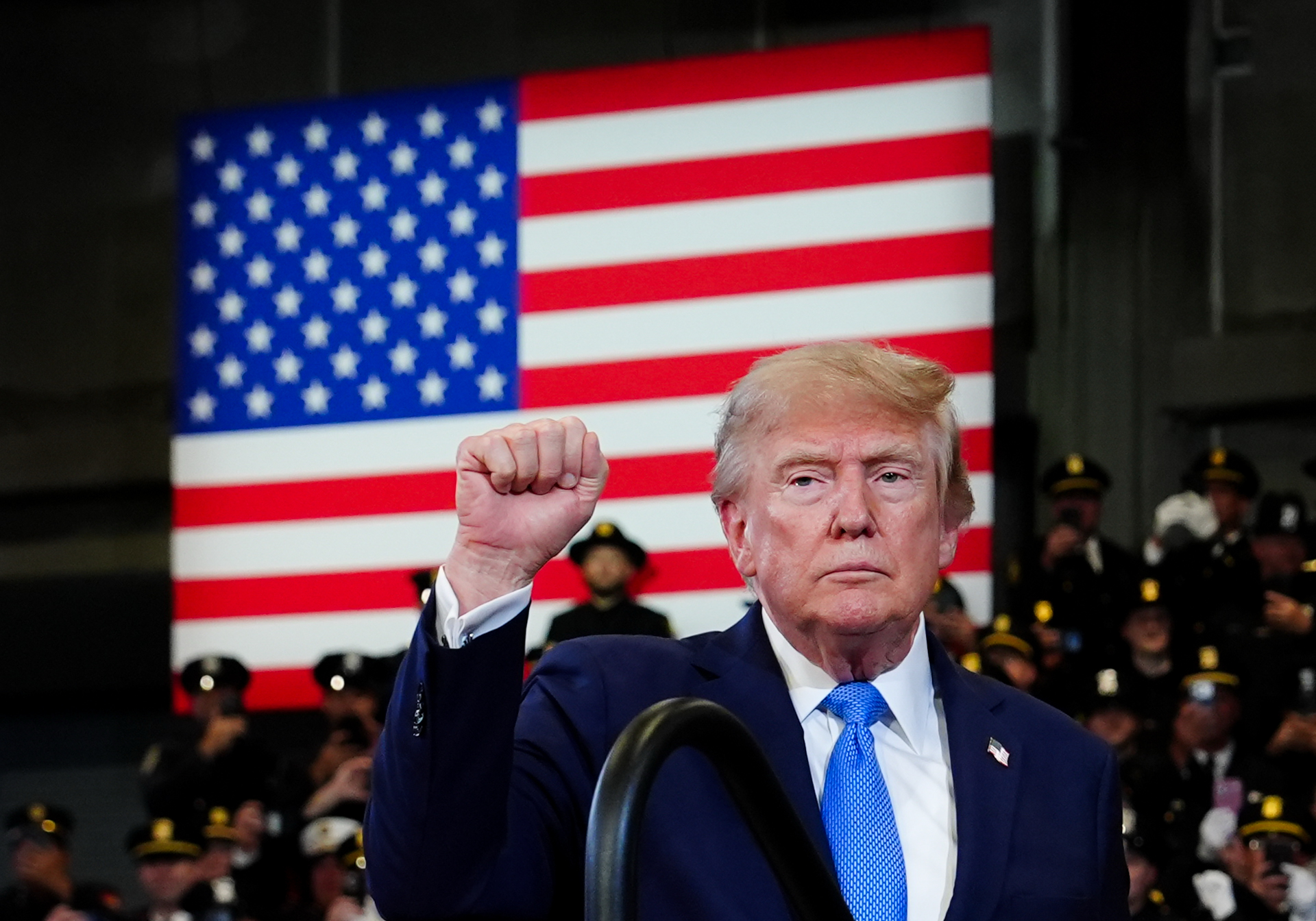
US President Donald Trump has publicly endorsed the signing of the Mecca Joint Defence Agreement by Saudi Arabia, Turkiye and Pakistan, stating he is pleased to see the Middle East uniting to defend itself. The pact, signed in Mecca ten days prior to the announcement, establishes a mutual defence clause modelled on NATO’s Article 5, though analysts note the commitments are conditional and likely to serve as an additional layer of deterrence rather than a full replacement for US security guarantees.
Trump expressed his support on Truth Social, writing that the agreement demonstrates countries can now defend themselves in a more meaningful way. Pakistan’s Prime Minister Shehbaz Sharif thanked Trump within hours, crediting his leadership with helping to avert a nuclear catastrophe in South Asia. The US president’s reaction aligns with his long-standing pressure on allies to increase defence spending and shoulder more of their own security burden, a stance that has previously led to reductions in joint military exercises with partners such as South Korea.
The agreement emerges against a backdrop of regional instability, including a recent US-Iran conflict that analysts say exposed the limits of American deterrence. Betul Dogan-Akkas of Ankara University argued that Arab Gulf states lost their deterrence capabilities following the US and Israel’s launch of a war on Iran on 28 February 2026 without consulting Gulf allies. She suggested that Turkiye’s involvement signals a move to support a regional security complex as global hegemony fails to perform its duties.
Despite the NATO-style language, the pact does not trigger automatic collective military response. Turkiye’s Foreign Minister Hakan Fidan clarified that a state under attack must first request assistance and specify the type of help needed, such as intelligence, logistics or troops. Mansoor Ahmed of the Australian National University noted that each country retains sovereignty over the timing and scope of any military assistance, describing the pact as a response to the perceived loss of US credibility in defending Gulf Cooperation Council countries.
Experts view the agreement as a strategic hedge rather than a structural replacement for US presence. Gokhan Ereli of Istanbul’s Ibn Haldun University described the pact as a “hedge with Turkish characteristics,” suggesting Ankara suspects the US security umbrella was never fully extended to it. Umer Karim of the King Faisal Center cautioned that while the pact creates a workable alternative and adds a layer of deterrence, it does not replace the structural reliance of Gulf states on the United States.