Mauritania intensifies deportation drive under EU pact, forcing thousands into hiding
Following a 2023 partnership agreement with the European Union, Mauritanian authorities have ramped up efforts to deport undocumented migrants and asylum seekers to Mali and Senegal. While the initiative has reportedly reduced arrivals to the Canary Islands, critics warn of unlawful detentions, extortion, and a shift toward riskier migration pathways.
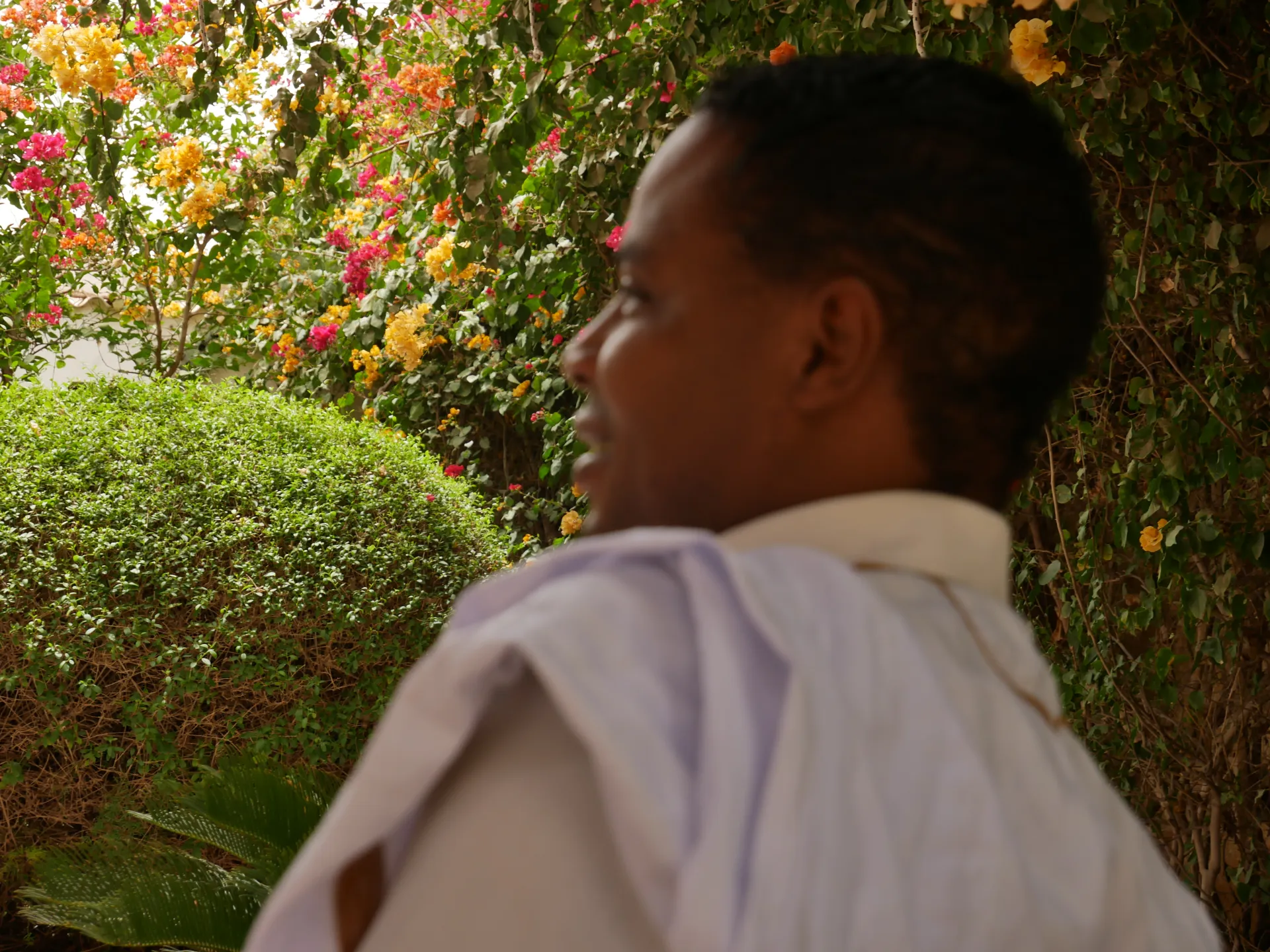
Mauritanian authorities have significantly escalated a campaign to identify and deport undocumented migrants and asylum seekers following a 2023 partnership agreement with the European Union. Under this arrangement, which included funding for border security, thousands of individuals have been rounded up and expelled to neighbouring Mali and Senegal. Reports indicate that approximately 28,000 people were removed in the first half of 2025 alone, a move that has fundamentally altered the daily lives of those residing in the capital, Nouakchott.
The intensified pressure has compelled many migrants to retreat into their homes to avoid arrest, detention, and extortion. Residents describe a climate of fear where leaving the house during the day is considered dangerous. In one instance, a Sierra Leonean woman with a legal work permit was arrested at a market in February 2026, driven to the Senegalese border, and had her phone seized by officers despite her documentation. Such incidents highlight allegations that the campaign targets individuals regardless of their legal status.
Financial coercion has become a recurring feature of the crackdown. Migrants report being forced to pay bribes of 25,000 Mauritanian ouguiya, approximately $623, to avoid detention or deportation. Beyond financial demands, detainees allege physical abuse and the theft of valuables while in custody. These conditions have led some to blend in with the local population, altering their appearance to avoid identification by police who are accused of targeting people based on skin colour and nationality.
The policy has also exacted a toll on the local economy in Nouakchott. Scores of young migrants who previously worked as plumbers, electricians, or vendors have disappeared from the streets, leaving local business owners concerned about the loss of labour. Meanwhile, asylum processing remains stalled; one Nigerian asylum seeker registered with the UNHCR four years prior reported that his documents remain unprocessed, yet he was still arrested and detained in poor conditions.
While the campaign has reportedly driven an 80 per cent drop in migrant arrivals to the Canary Islands between April and December 2025 compared to the previous year, researchers argue the strategy is counterproductive. The reduction in departures from Mauritania has not halted migration but rather shifted it toward longer and more perilous journeys originating from The Gambia and Guinea. Critics contend that by failing to address the root causes of displacement and creating barriers to legal residence, the policy pushes vulnerable people into the underground economy and more dangerous routes.