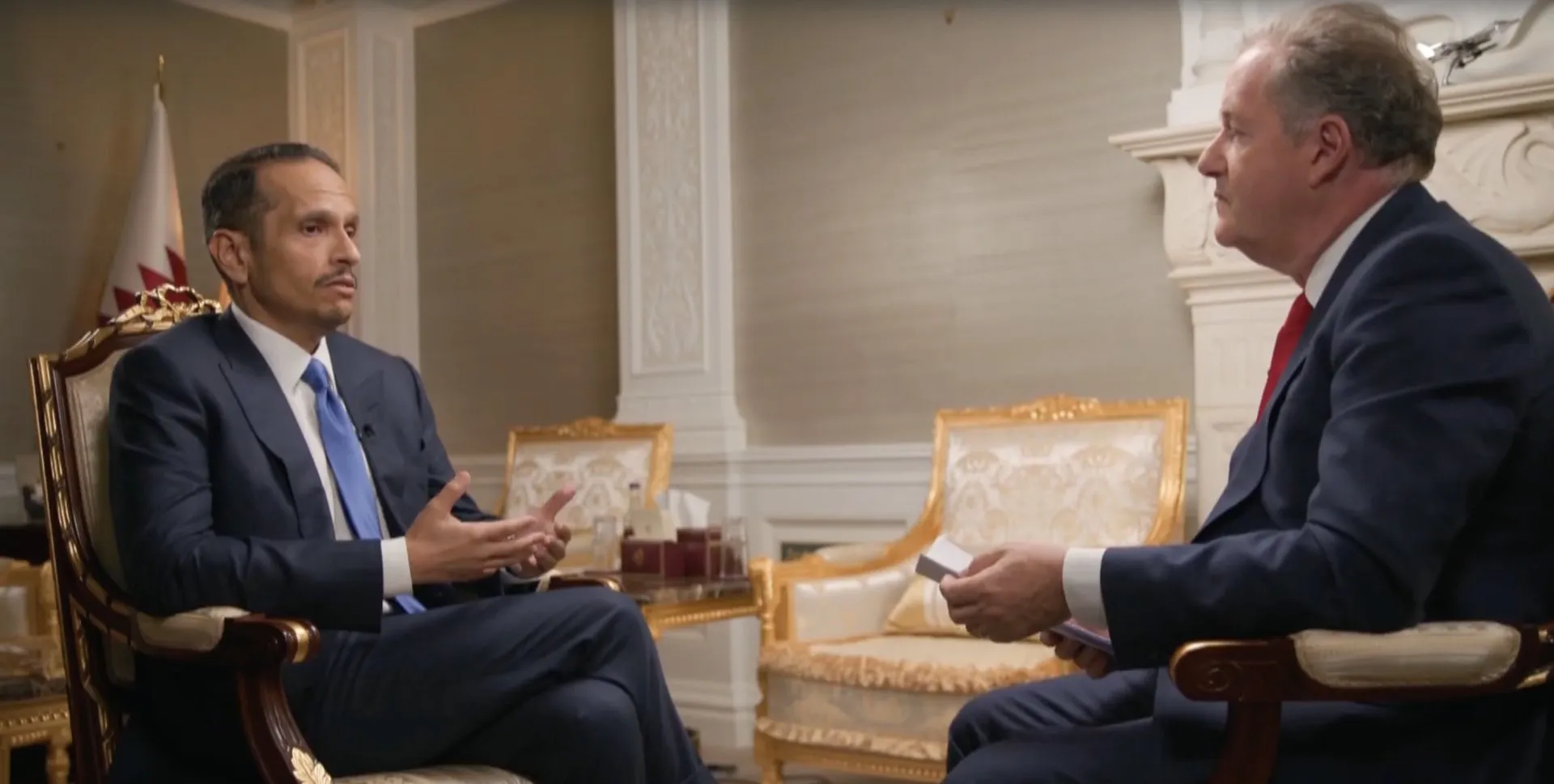
Markets rally and oil prices fall as US-Iran conflict resolution appears imminent
Reports indicate a pause in naval operations and the conclusion of initial hostilities, though a naval blockade of Iranian ports remains in place while a response is awaited from Iran within 48 hours.
Global oil prices retreated and major stock markets advanced following intelligence suggesting the United States and Iran are nearing a final agreement to terminate the current conflict. Brent crude futures, the global benchmark for pricing oil, fell to $97 a barrel after climbing above $108 earlier in the day. This movement reflects investor confidence that the Strait of Hormuz will soon reopen, alleviating fears of supply disruption in a waterway through which approximately one-fifth of global oil and gas shipments pass.
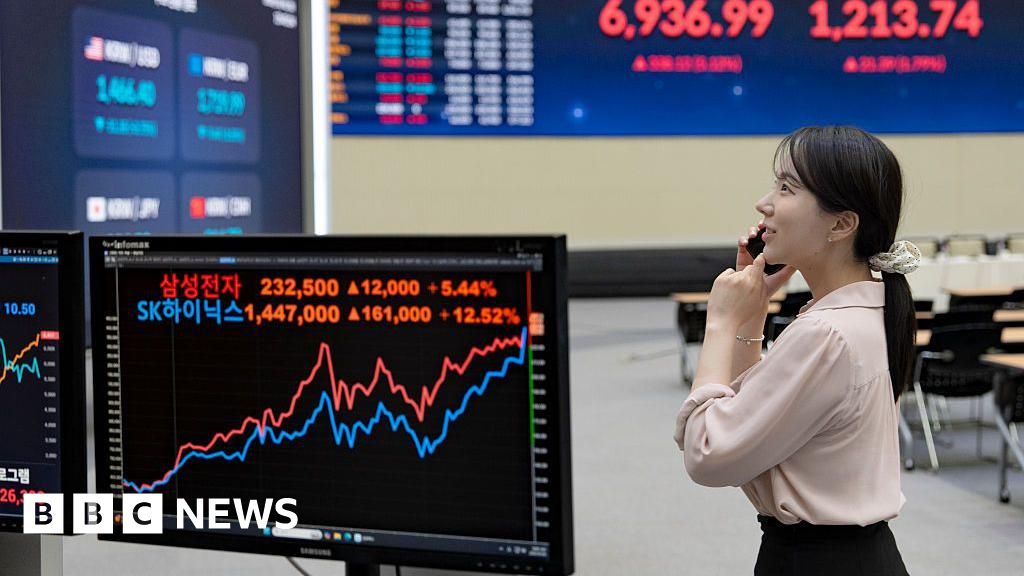
The reaction in financial centres was swift and significant. Major European indices, including the FTSE 100, the German Dax, and the French Cac 40, all recorded gains of between 2% and 3%. Asian markets also closed higher, with the South Korean Kospi rising 6.45% and the Hong Kong Hang Seng up 1.22%. These figures mark a partial recovery for global markets, which have been under pressure since the conflict began in late February with US-Israeli strikes on Iranian territory.
According to reports citing US officials, the administration believes it is close to finalising a one-page memorandum of understanding. This document would formally end the war and initiate a 30-day negotiation period focused on reopening the Strait of Hormuz, limiting Iran's nuclear programme, and lifting US sanctions. The potential for such a diplomatic breakthrough has prompted a tactical shift in military posture, with President Donald Trump pausing "Project Freedom" naval operations to facilitate the finalisation of the agreement.
Despite the pause in active naval guidance operations, the US maintains a naval blockade of Iranian ports designed to apply economic pressure on Tehran. President Trump confirmed that while the operation to guide ships through the strait is temporarily suspended, the blockade remains in effect. This distinction underscores the continued focus on governance and leverage, even as the immediate threat of escalated hostilities in the channel appears to be receding.
Secretary of State Marco Rubio stated that the initial US-Israeli offensive is over, noting that Washington's objectives have been met and expressing a preference for a peace deal. However, the diplomatic process remains fragile, with the US reportedly awaiting a response from Iran on several key points within the next 48 hours. Iranian officials have not yet commented on Rubio's remarks, though parliamentary speaker Mohammad Ghalibaf previously indicated that the continuation of the status quo is intolerable for America.
The current developments follow a volatile period where a ceasefire agreement on 8 April was disrupted by the launch of "Project Freedom". While the conflict has caused significant slumps in regional production and transportation, the prospect of a comprehensive settlement suggests a return to stability. The markets' positive response highlights the sensitivity of global trade flows to the security situation in the Middle East, particularly regarding the strategic importance of the Strait of Hormuz.