Ceuta border tensions rise as misinformation triggers migrant gathering
Moroccan and Spanish officials respond to social media rumours that prompted a mass gathering at the Spanish enclave, with Rabat warning of legal consequences for disseminators of the false information.
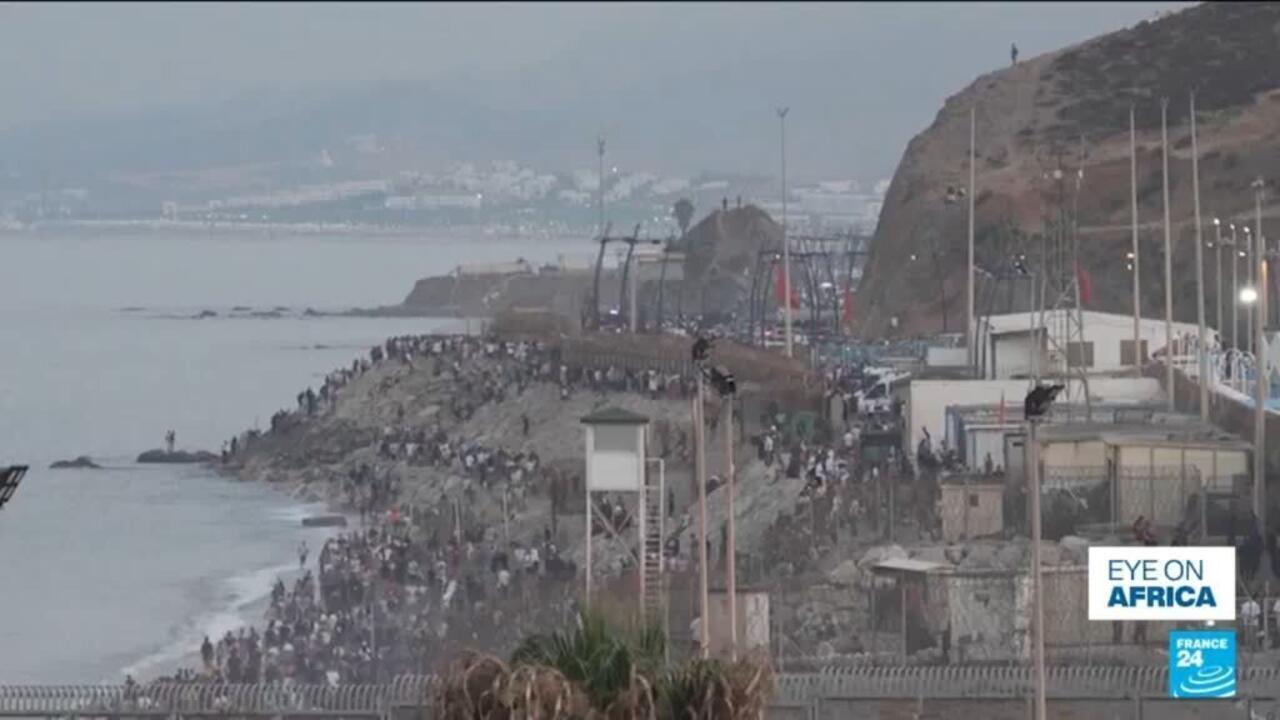
Tensions have escalated at the Morocco-Ceuta border after false social media posts circulated claims that the crossing would open for Spain’s Assumption holiday. The misinformation prompted a gathering of migrants near the frontier, leading to a significant security response from both Moroccan and Spanish authorities.
The incident follows a recent mass influx of migrants into Ceuta, a Spanish enclave situated on the north coast of Africa. In response to the heightened activity, security measures have been tightened across the border region to manage the situation and prevent unauthorised crossings.
Moroccan authorities have issued a formal warning regarding the spread of these false claims. Officials stated that individuals found disseminating the misinformation could face legal action, signalling a firm stance against the use of social media platforms to incite movement or create civil unrest at the border.
The gathering of migrants was directly linked to the rumours surrounding the Assumption holiday, a public holiday in Spain often associated with increased travel. The false narrative that the border would be open for this occasion proved sufficient to draw people to the crossing point, despite no official announcement supporting such a claim.
This event underscores the vulnerability of border management systems to digital misinformation. The convergence of a recent influx and online rumours has created a volatile environment, requiring coordinated efforts between Moroccan and Spanish agencies to maintain order and address the root causes of the disruption.
As authorities continue to monitor the situation, the focus remains on containing the gathering and addressing the legal implications for those responsible for spreading the false information. The incident highlights the ongoing challenges faced by European border states in managing migration flows amidst complex geopolitical and digital landscapes.