Maritime standoffs in the Strait of Hormuz trigger severe disruption to global shipping
Analysts warn that the escalation between the United States, Israel, and Iran is now directly threatening fertiliser imports and food security across sub-Saharan Africa.
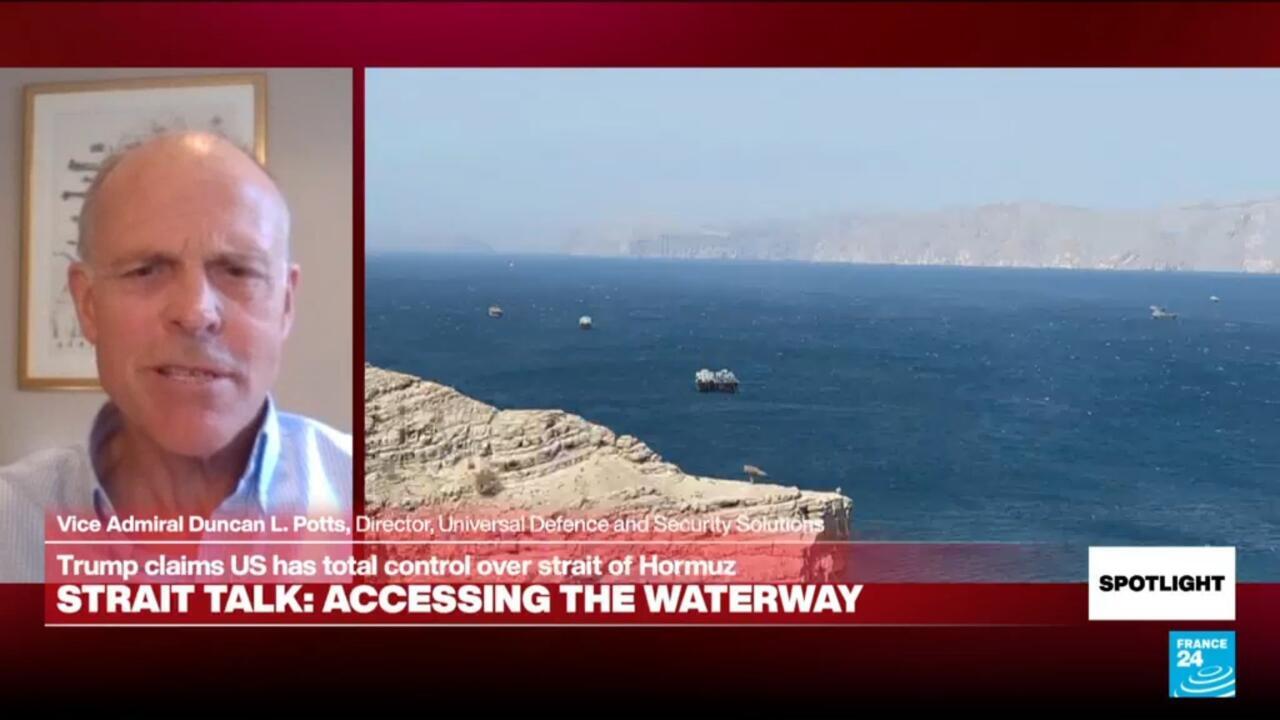
The Strait of Hormuz, a vital maritime chokepoint for Middle Eastern oil production, has escalated into the central focal point of the ongoing conflict between Iran and the United States. This strategic shift has transformed the waterway from a routine trade artery into the primary theatre of tension in the region, fundamentally altering the dynamics of global commerce.
Recent maritime standoffs within the strait have resulted in a drastic reduction of shipping traffic. Data indicates that only five vessels managed to transit the passage in the last 24 hours, a stark contrast to the pre-conflict daily average of 129 ships. This sharp decline highlights the immediate impact of military posturing on essential logistical flows.
The implications of these disruptions extend far beyond the immediate vicinity of the strait. The bottleneck is now threatening global fertiliser supply chains, which are critical for agricultural output worldwide. Experts note that the inability to move these goods freely poses a significant risk to harvests and food security across sub-Saharan Africa, where nations rely heavily on imported inputs.
In response to the growing volatility, specialists are urging African governments to adopt more robust strategies to mitigate the risks. Recommendations include strengthening market intelligence through real-time tracking of trade flows and shipping routes to better anticipate such disruptions.
Furthermore, there is a call for African states to coordinate regional procurement efforts and establish buffer stocks. Such measures would allow policymakers to negotiate better prices and reduce the vulnerability to potential export bans or sudden spikes in freight costs caused by the instability in the Strait of Hormuz.
As the conflict between the United States, Israel, and Iran continues to intensify, the Strait of Hormuz remains the defining element of the situation. The current traffic figures suggest a sustained period of disruption, underscoring the urgent need for diplomatic resolution and adaptive economic planning by affected nations.