Maritime chokepoints emerge as new geopolitical leverage amid global trade anxieties
Following comments by Indonesia's Finance Minister regarding tolls on the Strait of Malacca, analysts highlight the vulnerability of critical waterways to state and non-state disruption.
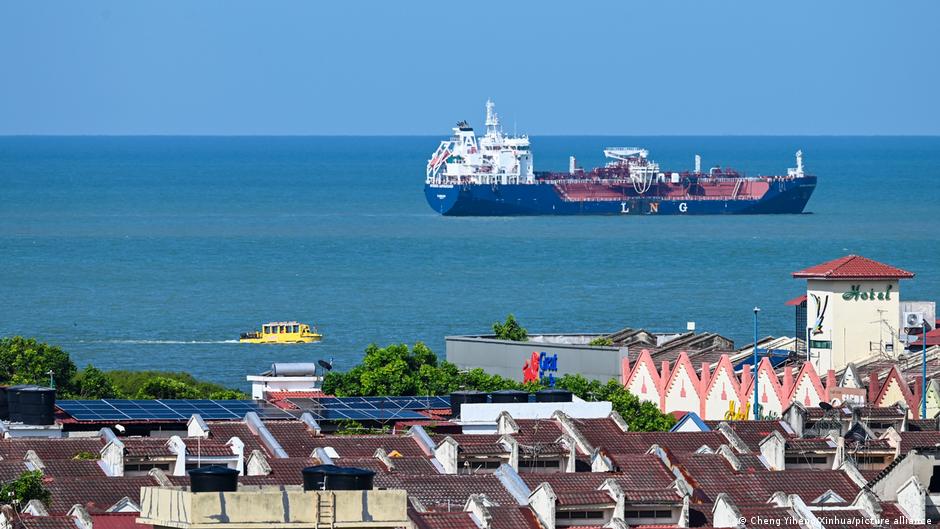
Comments by Indonesia's Finance Minister Purbaya Yudhi Sadewa regarding a hypothetical toll system for the Strait of Malacca have reignited concerns over the weaponisation of global shipping channels. Although the Indonesian Foreign Minister subsequently clarified that the suggestion was not serious and reaffirmed support for freedom of navigation, the remark underscored a growing anxiety among experts that maritime chokepoints are increasingly viewed as tools for geopolitical leverage.
The crisis surrounding the Strait of Hormuz has prompted Asian policymakers to reassess the security of other critical maritime routes, specifically the Strait of Malacca and the Taiwan Strait. The Centre for Strategic and International Studies (CSIS) has warned that non-state actors, citing recent Houthi militia attacks in the Red Sea, are now capable of seriously disrupting global trade flows. Consequently, many shipping companies are diverting from the Suez Canal to the longer route around the Cape of Good Hope, significantly impacting supply chains and prices.
Political scientist Nikolaus Scholik and analyst Christian Wirth argue that the global geopolitical balance is shifting, with states increasingly believing they can legally dominate strategically important straits. The International Institute for Strategic Studies (IISS) describes a "return of geography," noting that straits are no longer just passages but strategic levers of power due to global interdependence. This shift suggests that the closure of key waterways could be used as a deliberate tactic to exert pressure on the international community.
While international law guarantees free transit through international straits, the reliance on "just in time" supply chains makes the global economy highly susceptible to blockades or tolls that could severely impact trade and prices. The United Nations Convention on the Law of the Sea guarantees even warships peaceful passage through coastal waters defined as territories of states bordering the strait, yet experts caution that international law only functions if countries are prepared to observe it.
The strategic significance of these routes is compounded by their lack of viable alternatives. The Strait of Hormuz remains particularly vulnerable as a large quantity of global oil and gas exports must pass through it. In a potential conflict scenario involving the Taiwan Strait, a large proportion of Asian trade would be affected, as would routes through the Strait of Malacca which accounts for around 22 per cent of international maritime trade.
Ultimately, the forceful reaction by Singapore, Malaysia and Indonesia to the suggestion of transit charges demonstrated how tempting it has become to use geographical control as political or economic leverage. However, calling into question the freedom of navigation represents a serious threat to the world economy, as brief interruptions in these narrow passages are capable of causing worldwide economic damage.