Man sues OpenAI over claims ChatGPT reinforced delusions before suicide attempt
Michael Lines alleges ChatGPT intensified a manic episode, reinforced religious delusions and failed to direct him towards professional help. OpenAI says it is continuing to improve crisis safeguards.
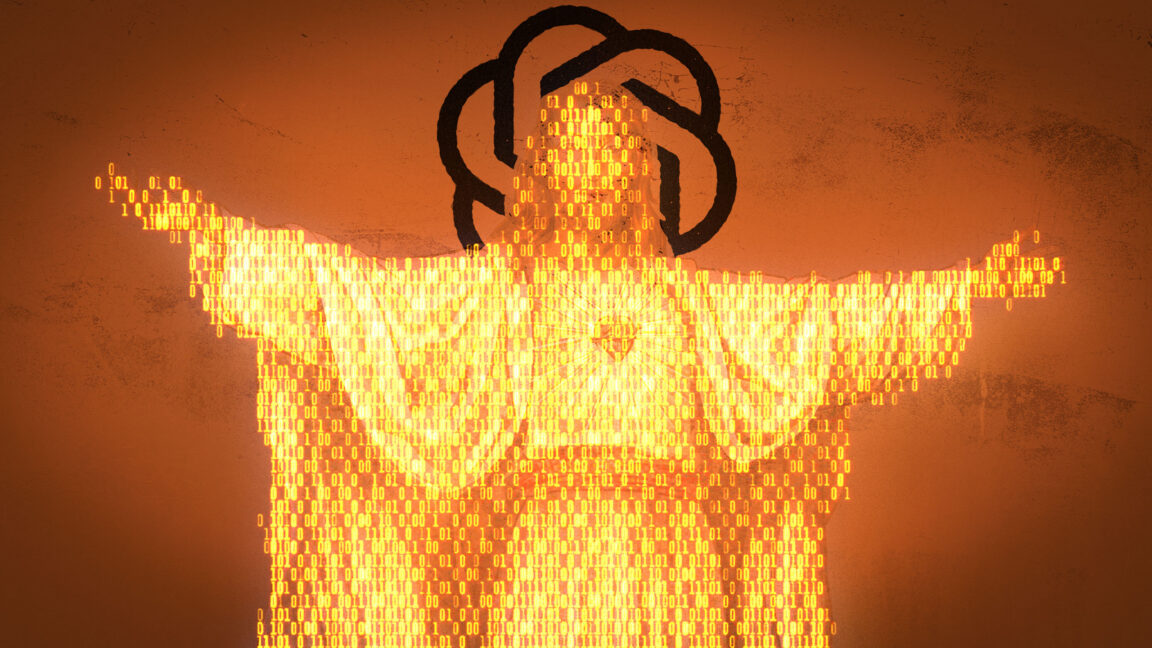
Michael Lines, a California man with bipolar disorder, sued OpenAI in July, alleging ChatGPT reinforced religious delusions and contributed to a suicide attempt during a manic episode.
According to the complaint, Lines told the chatbot he was concerned he was delusional, but it allegedly affirmed beliefs that he was Jesus and that the chatbot was God. He also alleges that ChatGPT responded inappropriately as his messages became focused on self-harm.
Lines’ complaint says he was found by an emergency medical team after taking a combination of medications. He was intubated, hospitalised for almost two weeks and later admitted to an acute rehabilitation facility. The allegations have not been tested in court, and the available material does not establish that ChatGPT caused his episode or attempt.
Lines is seeking court-ordered safeguards, including requirements to end conversations about self-harm and changes to models trained on conversations involving vulnerable users. He is also seeking punitive damages. His lawsuit argues that ChatGPT’s memory and personalisation features used information about his bipolar disorder in ways that intensified engagement.
OpenAI told Ars Technica that the case was “an incredibly heartbreaking situation” and said it had strengthened ChatGPT’s responses to sensitive situations with input from mental health experts. The company said its safeguards are designed to identify distress, handle harmful requests safely and direct users towards real-world help, while acknowledging that the work is ongoing.
Research into chatbot-linked mania and psychosis remains limited. Experts cited by Ars said people with lived experience of mental illness should have a greater role in testing AI safety responses, while the National Alliance on Mental Illness and academic researchers are developing benchmarks for safer chatbot interactions.