Mali's military faces collapse as rebels seize northern cities and threaten Bamako
A coordinated offensive by JNIM and Tuareg separatists has resulted in the death of the defence minister and the seizure of key urban centres, prompting reports of a blockade on the capital.
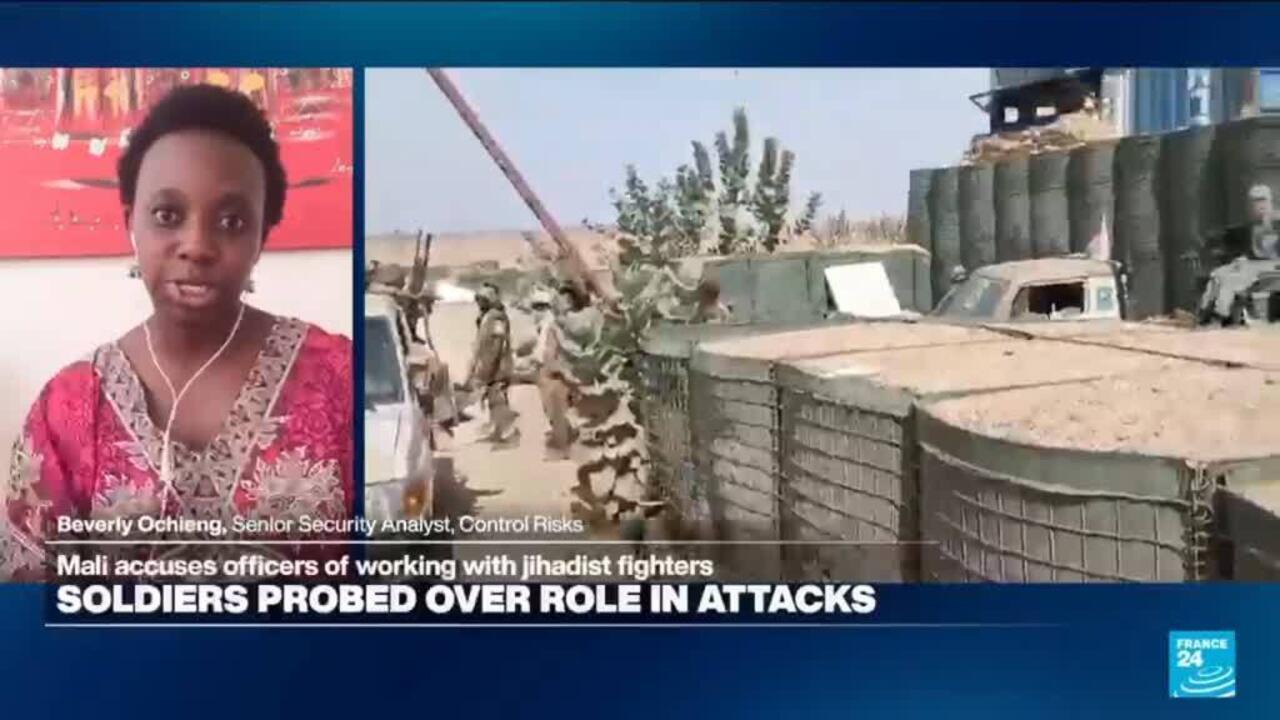
The Malian military is struggling to maintain control over the capital, Bamako, as it confronts a coordinated threat from jihadist fighters and Tuareg separatists. This escalating crisis has seen armed groups successfully seize control of two northern cities while simultaneously attempting to impose a blockade on the capital.
The situation has deteriorated to the point where the Islamist group JNIM, alongside separatist rebels, is reported to have killed the defence minister. These developments underscore the severe security crisis currently gripping the nation, driven by a growing insurgency that has targeted military positions across the region.
Compounding the operational failures, a number of Malian soldiers have been arrested for allegedly collaborating with Al-Qaeda-linked militants. These arrests suggest that the insurgents are not merely external threats but are exploiting internal divisions to orchestrate widespread attacks against government forces.
The alliance between the Islamist group JNIM and Tuareg separatist rebels appears to be the primary driver of this instability. While the specific number of soldiers arrested and the extent of their alleged collaboration remain details to be fully verified by independent judicial processes, the arrests themselves signal a significant breach in the chain of command.
Reports indicate that these groups are actively attempting to impose a blockade on Bamako, though the precise timeline and success rate of this attempt are not fully detailed in current accounts. The fragility of the Malian military's hold on key urban centres is now on full display as the capital faces an existential threat.
In response to these mounting pressures, Russian mercenaries are reported to be supporting the Malian government in the conflict. However, the exact operational capacity of these foreign fighters in supporting the government is described generally without specific tactical details being available to the public.