Malian security architecture faces renewed strain as JNIM and Tuareg separatists execute decade-long largest coordinated assault
A new offensive targeting Bamako and interior towns signals a significant escalation in the region's instability, with combat reported as ongoing near Modibo Keïta International Airport.
Malian authorities report that a coalition comprising the al-Qaeda-linked JNIM group and Tuareg separatists has launched the largest coordinated attack in the country in over a decade. The offensive targeted military positions in the capital, Bamako, including areas near Modibo Keïta International Airport, as well as interior towns such as Kati, Gao, and Sevare.
At the time of initial reporting, combat was described as ongoing, with sustained heavy weapons and automatic rifle fire heard in the vicinity of the air base used by the air force. Residents and journalists on the ground have confirmed the intensity of the engagement, marking a significant escalation in the security situation that has long plagued the region.
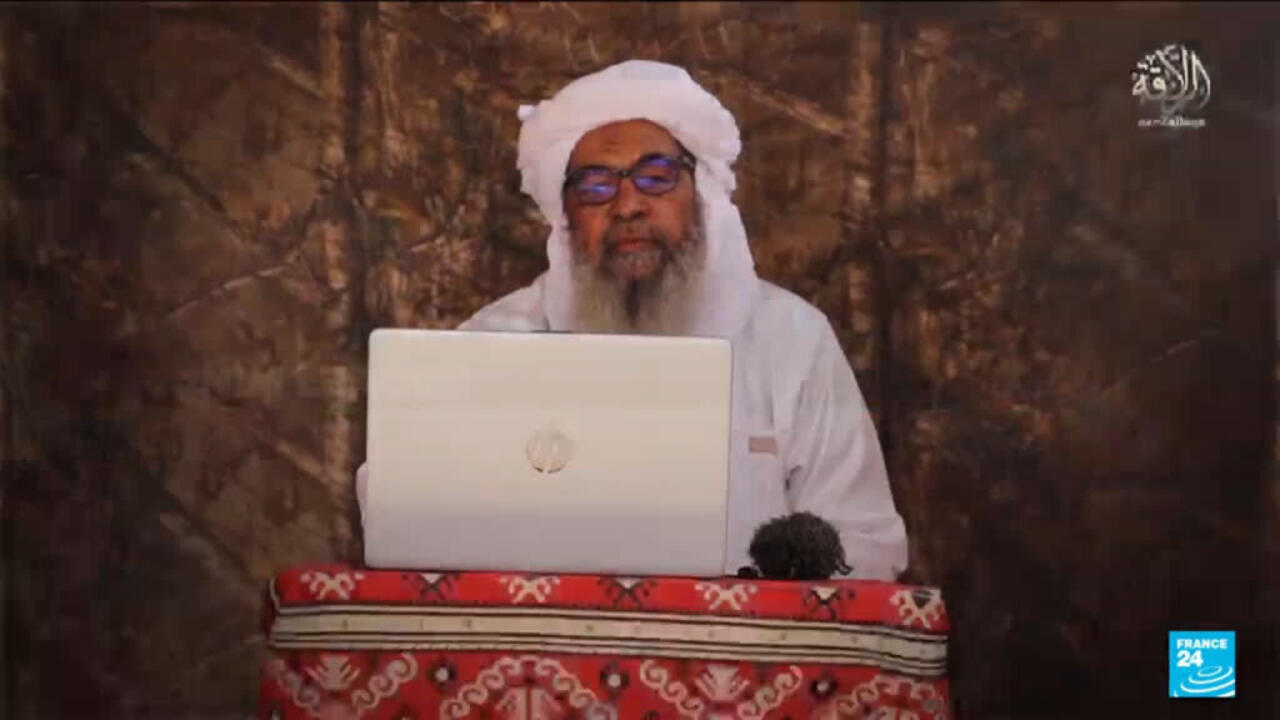
The group responsible for the offensive is led by Iyad Ag Ghali, who is identified as Mali's most wanted man. Ag Ghali serves as the figurehead behind this specific offensive, leading the Jama'at Nusrat al-Islam wal-Muslimin, which has expanded its influence in recent years. The alliance between the jihadists and the Tuareg separatists represents a complex convergence of forces that has complicated the governance and security landscape in Mali.
Efforts to neutralise Ag Ghali have consistently failed over the years. The French military, Malian authorities, and Russian mercenaries have all sought to capture the leader without success. This persistent inability to secure the individual at the helm of JNIM underscores the resilience of the group and the challenges facing the various military and security actors involved in the region.
The Malian army has characterised the perpetrators of the attacks as unidentified armed "terrorist" groups. While the specific operational command structure linking Ag Ghali directly to the Tuareg separatist component of this particular assault remains unverified, the scale of the coordinated action suggests a unified front capable of striking deep into the capital and surrounding territories.
As the fighting continues, the precise extent of territorial gains or losses and the full casualty figures remain unavailable. The situation highlights the ongoing diplomatic tensions and security challenges inherent to the region, with the outcome of the engagements in Bamako and other targeted towns currently unknown to observers.