Mali junta pledges neutralisation of insurgents following coordinated assaults and Russian withdrawal from Kidal
President Assimi Goita's first public appearance since the violence reaffirms the partnership with Moscow as the military government vows to restore order
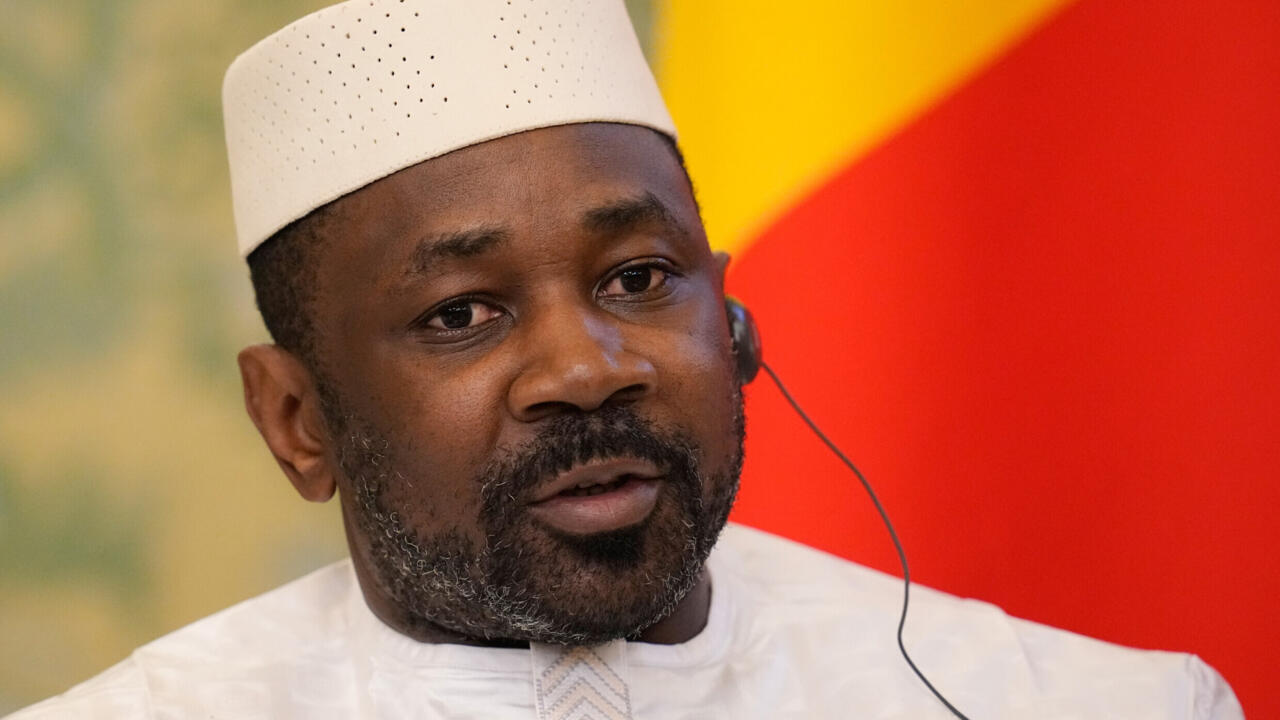
Mali's military ruler, Assimi Goita, made his first public appearance since coordinated insurgent assaults over the weekend, pledging to neutralise those responsible for the violence. During the attacks on Saturday, jihadist and separatist groups struck Mali's main army base and the area near Bamako's airport, while also pushing Russian troops supporting government forces out of the strategic northern town of Kidal. The Defence Minister, Sadio Camara, was killed in the assaults, a loss that has left a significant power vacuum within the security apparatus.
In a televised address, Goita declared the situation under control and vowed that operations would continue until the complete neutralisation of the groups involved. To project stability following the largest offensive in recent memory, the President met with Russian Ambassador Igor Gromyko to discuss the current situation and reaffirm the strong partnership between Bamako and Moscow. The two men discussed the ongoing crisis, with the ambassador reaffirming his country's commitment to supporting Mali in the fight against international terrorism.
The scale of the offensive demonstrated an unprecedented ability for groups with differing objectives to coordinate attacks against the military government. A spokesperson for the al-Qaeda affiliate, Jama'at Nusrat al-Islam wal-Muslimin (JNIM), described the violence as revenge for drone strikes and other attacks perpetrated by Malian forces. In a video message, the group threatened to implement a siege of Bamako, claiming the city is closed off from all sides following a fuel blockade imposed last year.
While Goita visited a hospital to express condolences to Camara's family, the Russian Defence Ministry provided a different perspective on the tactical situation. A spokesperson stated that while Moscow's forces helped thwart a potential coup attempt on Saturday, the enemy is currently regrouping. Russian forces are conducting active reconnaissance operations to destroy insurgent field camps and remain ready to repel further attacks, though the withdrawal from Kidal marks a significant territorial shift.
Reports indicate that the offensive has triggered a scramble for territory across Mali's vast desert north. Fighters from the Islamic State in the Sahel Province were reported entering the northeastern town of Menaka, though no direct clashes were confirmed at the time of reporting. This movement highlights the fluid nature of the conflict, where groups that have fought each other since 2019 are now operating in a manner that suggests a unified front against the state.
Mali turned to Russia for security support after expelling French and UN troops following coups in 2020 and 2021. As the junta seeks to regain momentum, the international community watches closely to see if the declared situation under control can be sustained against an enemy that has shown an increasing willingness to strike neighbouring countries and expand its operational reach.